
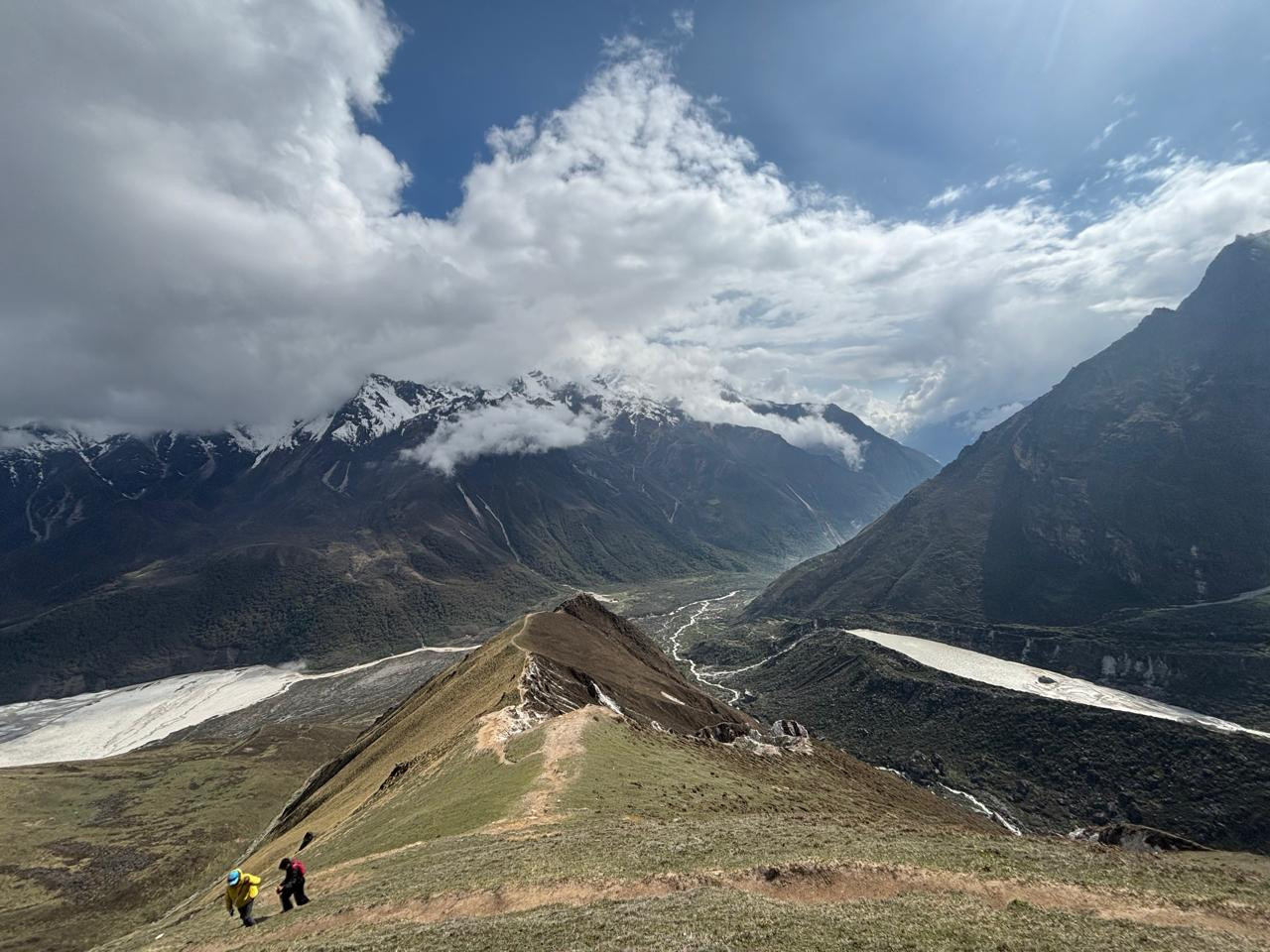
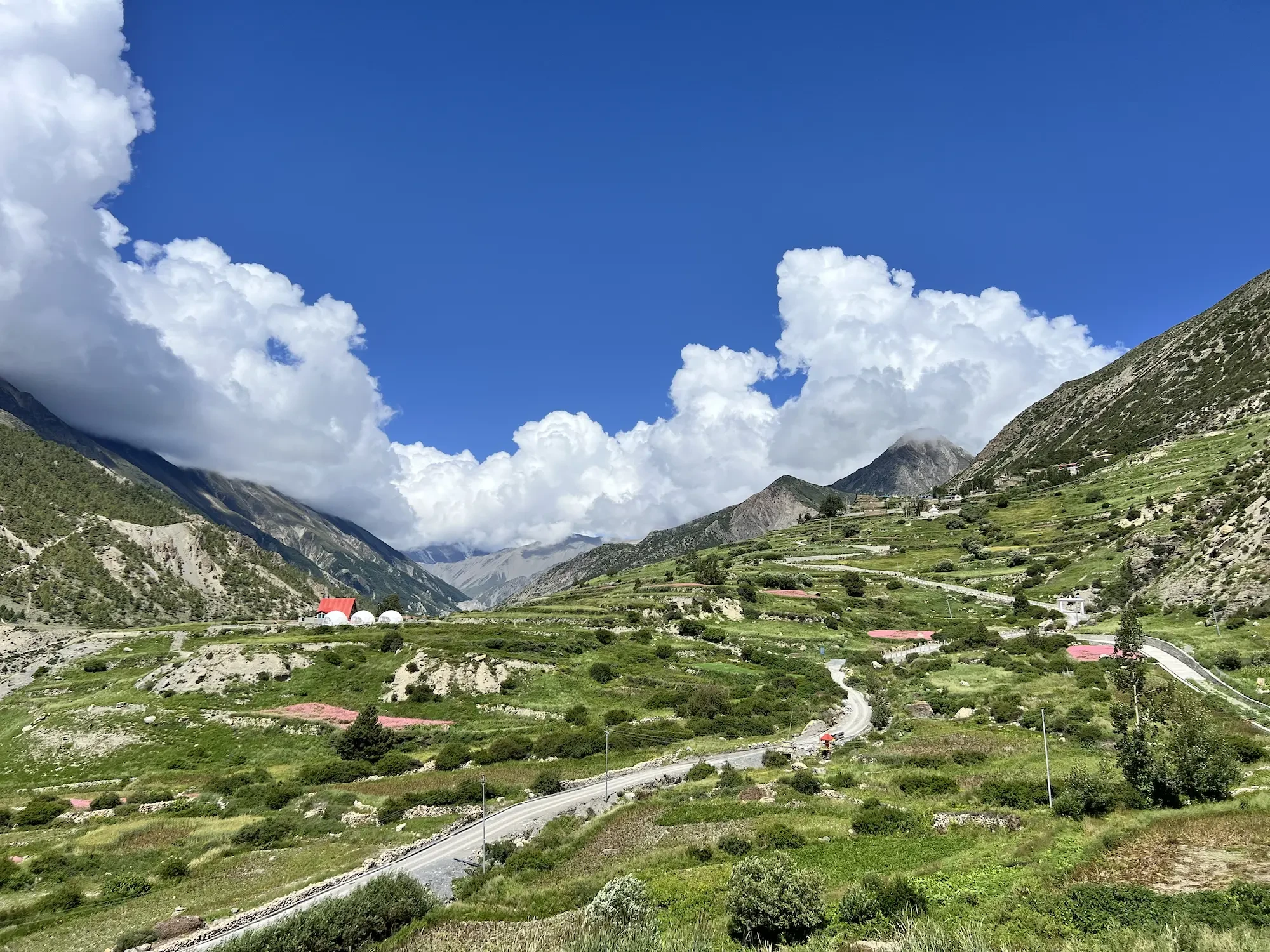

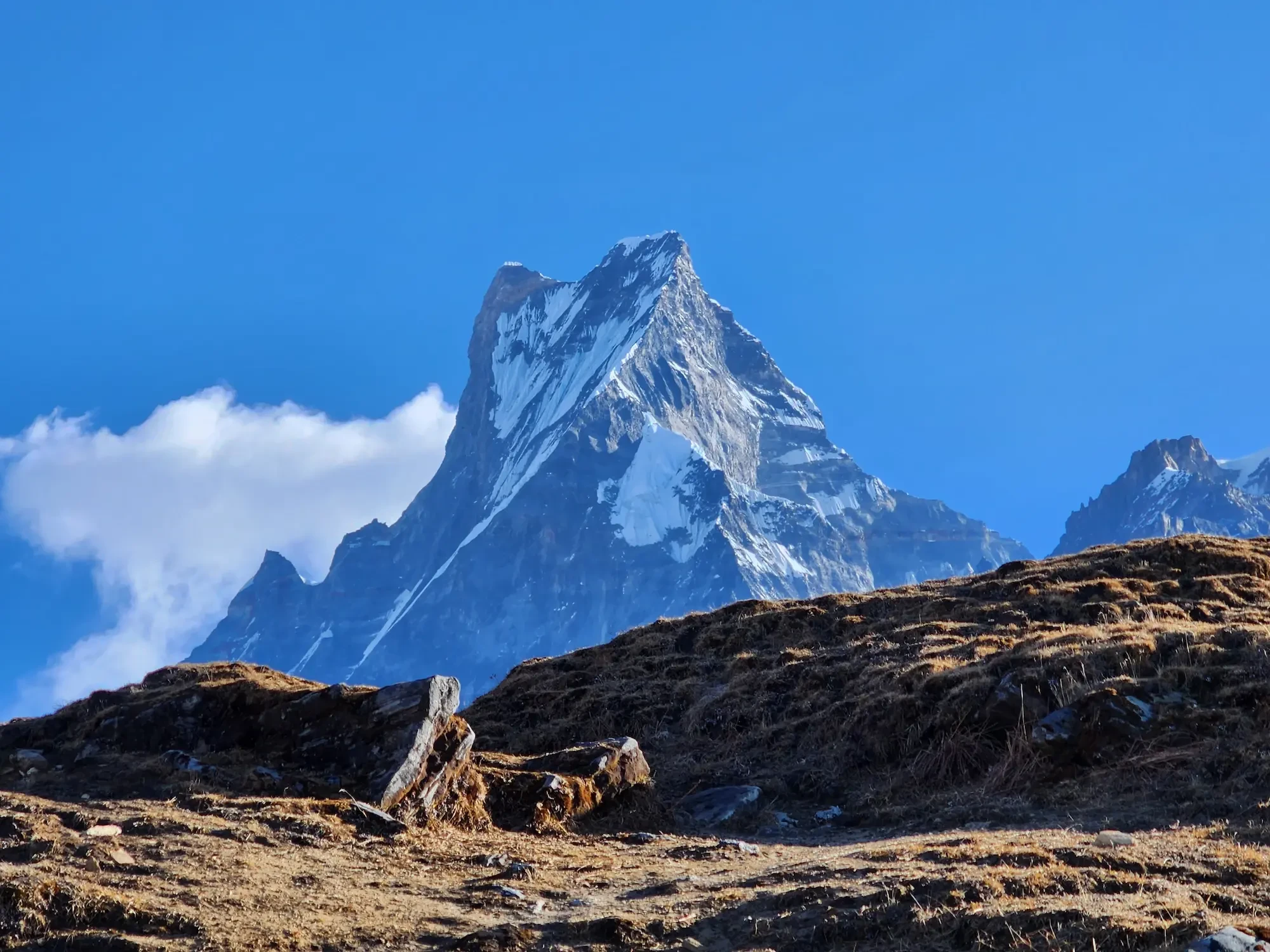

The Himalayas are more than just our destination; they're our home. At Himalayan Shepherd we are passionate about sharing the beauty, culture and adventure of our home with travellers from all around the world. From the popular trails of Everest and Annapurna to the offbeat ones in the mountains, our knowledgeable staff is familiar with the many trails available to you. Each of our journeys is carefully planned to provide you with a safe, fun and authentic experience, giving you the opportunity to immerse yourself in the scenery, people and culture of Nepal that makes it truly memorable.
Years Experience
Happy Travelers
Satisfaction Rate
Support
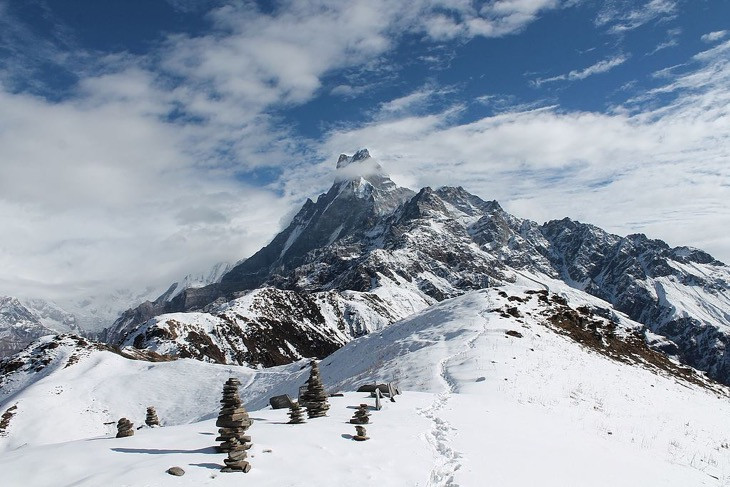
.jpg)
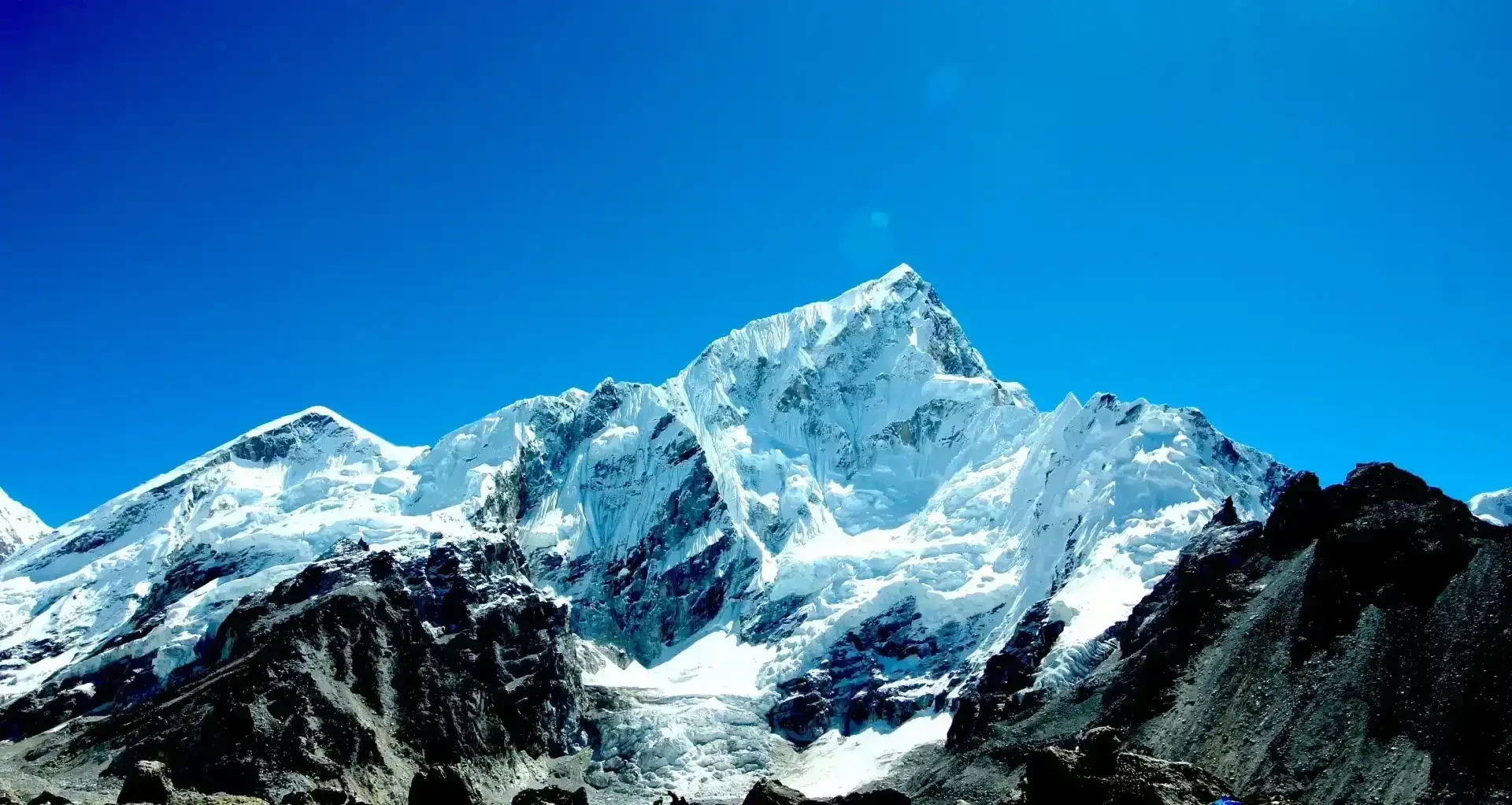
Experience authentic adventures crafted by local experts with safety, comfort, and unforgettable memories.

Your safety is our top priority. We adhere to the highest international safety standards.

Every journey can be tailored to your specific preferences, timeline, and fitness level.

We provide premium experiences at competitive prices with complete transparency and no hidden costs.

From planning to your return, our dedicated team is available around the clock to assist you.

We are committed to eco-friendly practices that support local communities and preserve nature.

Our experienced local guides bring unparalleled knowledge of the region, ensuring an authentic and enriching journey.
Real stories from adventurers who explored the Himalayas with us.
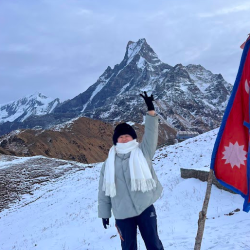
Did the Mardi Himal trek as a shorter alternative to the big circuits, and it was the perfect choice. Himalayan Shepherd kept the group size small, which meant we got personal attention and could move at our own rhythm. The stays was comfortable, and our guide shared amazing stories about local villages we passed through. Beautiful, intimate trek. Would go back in a heartbeat.
Everest Base Camp with Himalayan Shepherd was tough but incredible. The guides knew how to manage altitude properly and checked in on everyone constantly. They weren't rushing us; the pace felt right. Food was surprisingly good at higher elevations, and the teahouses were well-chosen. Professional outfit. Worth every penny.

Expert travel guides, trekking tips, destination inspiration, and real Himalayan adventures.
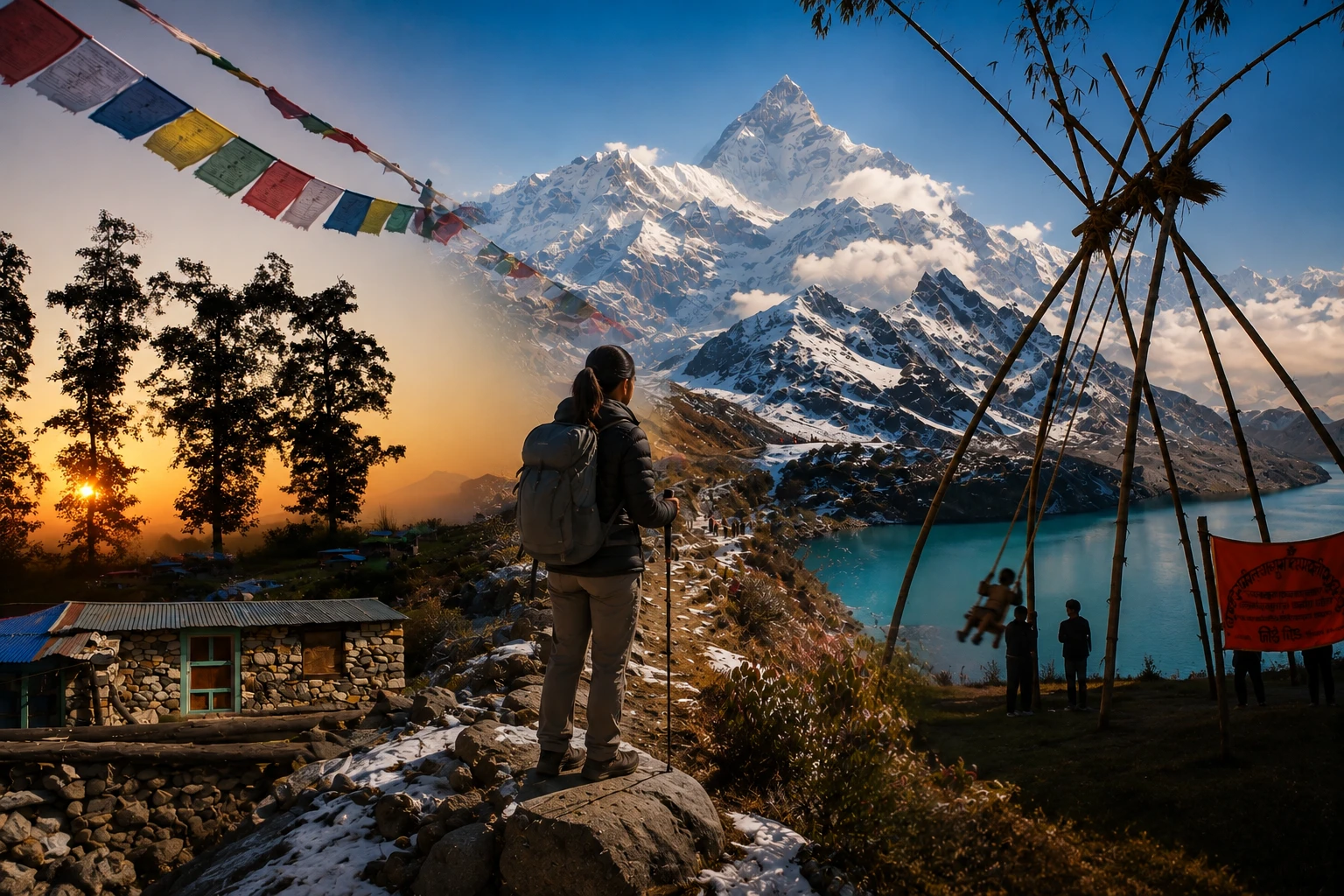
In this blog, we have selected 6 of the best short treks in Nepal that you can take during your Dashain holidays.
Read More
I recently completed the Langtang Valley Trek in just six days. Those six days turned out to be some of the most unforgettable days of my life.
Read More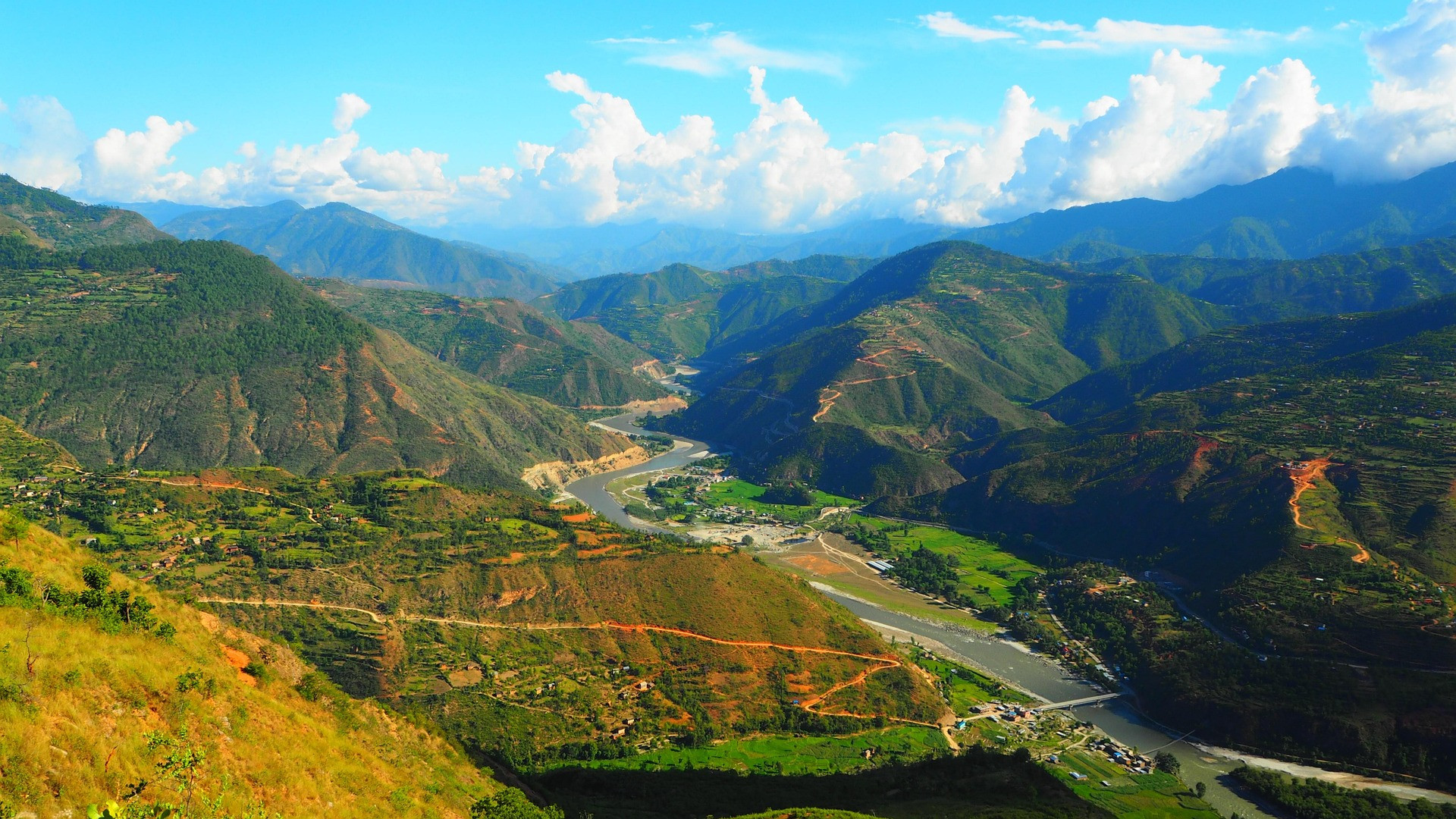
Nepal is a dream destination for trekkers from around the world. Home to eight of the world's fourteen highest peaks
Read MoreEverything you need to know before your Himalayan adventure.

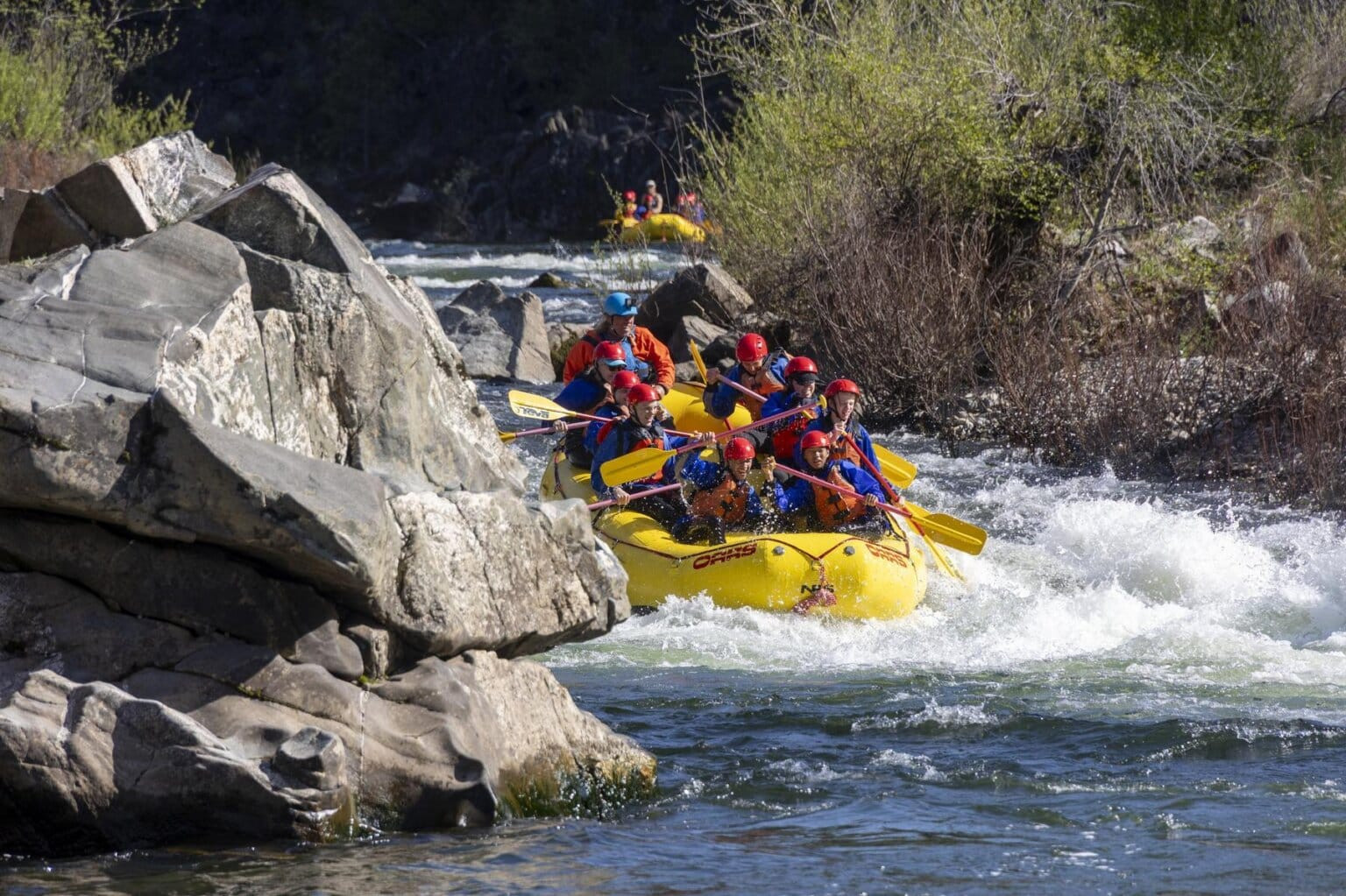
Nepal is famous for mountain climbing and trekking. It is also very popular for trekking in lush and green nature in hills and lower mountains. Nepal is famous for cultural and historical tours of its iconic Hindu and Buddhist Pilgrimage sites, White Water Rafting, Wildlife Safari in National Parks.
Although trekking is possible throughout the year each season has different advantages and attractions that it offers. The temperature in the mountains also depends according to the altitude range – higher the altitude, lower the temperature. March-May Trekking season begins after March. Trekking in the spring between mid-March and mid-April means that you will get to see the incredible displays of Rhododendrons that flower in the forests around Ghorepani. Temperature starts rising from mid-March up to mid-May. Weather is cool at this time. The sky is very clear and you can enjoy the clearest views of the mountains. June-August It usually rains during this season. Monsoon generally begins around the end of June and continues up to the second week of August. The temperature during the days usually ranges from 10°C to 23? and gets relatively colder at night ( 5°C to 10?) mornings are usually clear with clouds building up during the afternoon and disappearing again at night. Because of the rainfall Rhododendron forests around Ghorepani will be rife with leeches. However, the northern sections around the Mustang Region don’t get as affected by the monsoon as it lies within a rainshadow area still the rain might cause some problems. Various plants bloom during this season, the valleys will be a green and totally different view than during other seasons. Please note that rain clouds may block views and mudslides are common around the entire circuit. September-October This is a favourite among tourists with the most favourable weather and perfect climate condition. The sun shines brightly the skies are clear you get a superb view of mountains and the temperature is perfect for a daytime trek. you can enjoy spectacular starry skies since the sky is clear at night. The monsoons will be over by early September and the weather ranges from mild to warm days. Daytime temperatures can reach up to 20c in high altitudes, the nights are cold,temperatures may go down around 5c. The environment is clean and lowlands are lush. November is a busy season, the clearest month, with the crisp and sparkling sky. The daytime temperatures at this month are usually the most stable, from mild to cool conditions, the humidity is also pretty dry with very cold nights. December-February The coldest time is from December through early February, after late February, climate gradually gets warmer Temperatures to get extremely cold dropping to -5 degree C at high altitudes. daytime is pleasantly and relatively warm with sunshine. Despite being cold the skies are usually very clear, mountain views are at their best. with snowy caps. The trails are least busy at this time. It may not be the best season for beginners but experienced trekkers will have no problem. Do keep in mind that late February- early March is also the period in the Annapurna Region when avalanches are most common. Please Note: Weather in the Himalaya can be unpredictable and change quickly; temperature can vary vastly from day to night.
All foreigners except Indian nationals must have a valid visa to enter into Nepal. Visa is available on arrival at Tribhuvan International Airport upon entry in Kathmandu, Nepal and at Nepal borders of India and Tibet. Visa can be easily extended at the central immigration office. www.immigration.gov.np; Visa application requires a passport with at least 6 months until expiration and one passport -size photo. The current cost of the visa for 30 days is US$40(to be paid in cash) for 30 days that is required to make in cash. Other currencies are also accepted although rates may differ. Other nationalities should check entry requirements. visitors are requested to specify return flight tickets, time intended stay in Nepal. We recommended you schedule at least 1-2 day extra at the end of the trip just in case there is a delay. If no delay occurs we can arrange an additional activity for your time in Nepal. To help calculate the exact dates of these crossings we have found the website www.timeanddate.com to be very useful. The children under the age of 10 will get the free visa. Please be advised to check the current regulation. Visa regulation can change without prior notice. Citizens of China, as well as citizens of South Asian Association for Regional Cooperation (SAARC) countries (Bangladesh, Bhutan, India, Maldives, Pakistan and Sri Lanka), get the free visa. countries not entitled to get a visa upon arrival are Nigeria, Ghana, Zimbabwe, Swaziland, Cameroon, Somalia, Liberia, Ethiopia, Iraq, Palestine, and Afghanistan If you are a citizen of one of these countries, please contact your local Nepalese embassy.
Although trekking is possible throughout the year each season has different advantages and attractions that it offers. The temperature in the mountains also depends according to the altitude range – higher the altitude, lower the temperature. March-May Trekking season begins after March. Trekking in the spring between mid-March and mid-April means that you will get to see the incredible displays of Rhododendrons that flower in the forests around Ghorepani. Temperature starts rising from mid-March up to mid-May. Weather is cool at this time. The sky is very clear and you can enjoy the clearest views of the mountains. June-August It usually rains during this season. Monsoon generally begins around the end of June and continues up to the second week of August. The temperature during the days usually ranges from 10°C to 23? and gets relatively colder at night ( 5°C to 10?) mornings are usually clear with clouds building up during the afternoon and disappearing again at night. Because of the rainfall Rhododendron forests around Ghorepani will be rife with leeches. However, the northern sections around the Mustang Region don’t get as affected by the monsoon as it lies within a rainshadow area still the rain might cause some problems. Various plants bloom during this season, the valleys will be a green and totally different view than during other seasons. Please note that rain clouds may block views and mudslides are common around the entire circuit. September-October This is a favourite among tourists with the most favourable weather and perfect climate condition. The sun shines brightly the skies are clear you get a superb view of mountains and the temperature is perfect for a daytime trek. you can enjoy spectacular starry skies since the sky is clear at night. The monsoons will be over by early September and the weather ranges from mild to warm days. Daytime temperatures can reach up to 20c in high altitudes, the nights are cold,temperatures may go down around 5c. The environment is clean and lowlands are lush. November is a busy season, the clearest month, with the crisp and sparkling sky. The daytime temperatures at this month are usually the most stable, from mild to cool conditions, the humidity is also pretty dry with very cold nights. December-February The coldest time is from December through early February, after late February, climate gradually gets warmer Temperatures to get extremely cold dropping to -5 degree C at high altitudes. daytime is pleasantly and relatively warm with sunshine. Despite being cold the skies are usually very clear, mountain views are at their best. with snowy caps. The trails are least busy at this time. It may not be the best season for beginners but experienced trekkers will have no problem. Do keep in mind that late February- early March is also the period in the Annapurna Region when avalanches are most common. Please Note: Weather in the Himalaya can be unpredictable and change quickly; temperature can vary vastly from day to night.




 Google
 Tripadvisor