
 Overview
 Itinerary
 Cost
Cost Includes
 Map & Altitude
 Equipment
 Trip Info & FAQs
 Reviews
Mr. Gyaljen Sherpa
Mr. Gyaljen Sherpa was born and raised in the Everest region, and his Sherpa heritage gives him deep, lifelong knowledge of the mountains, local commu...
View Profile
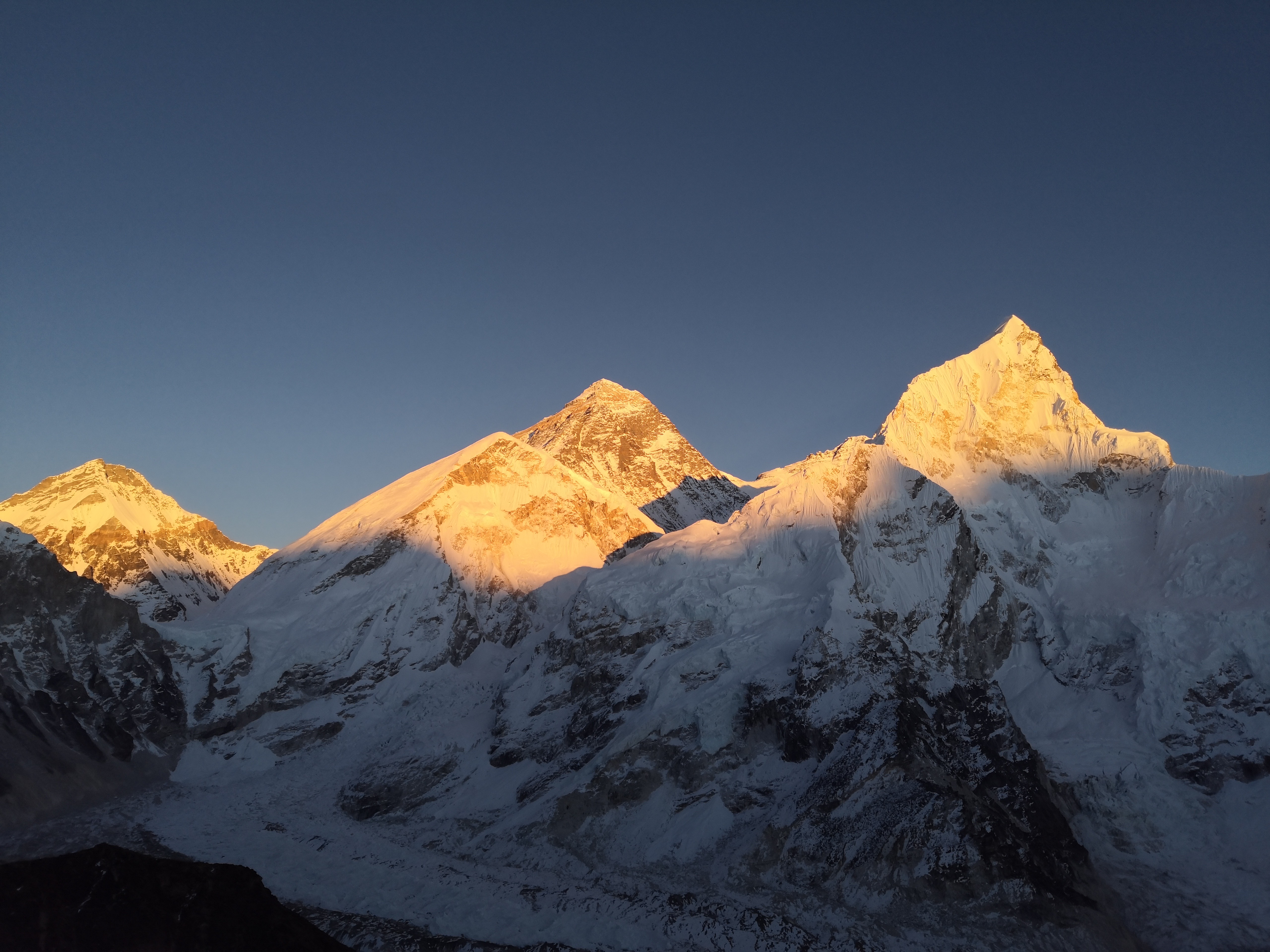
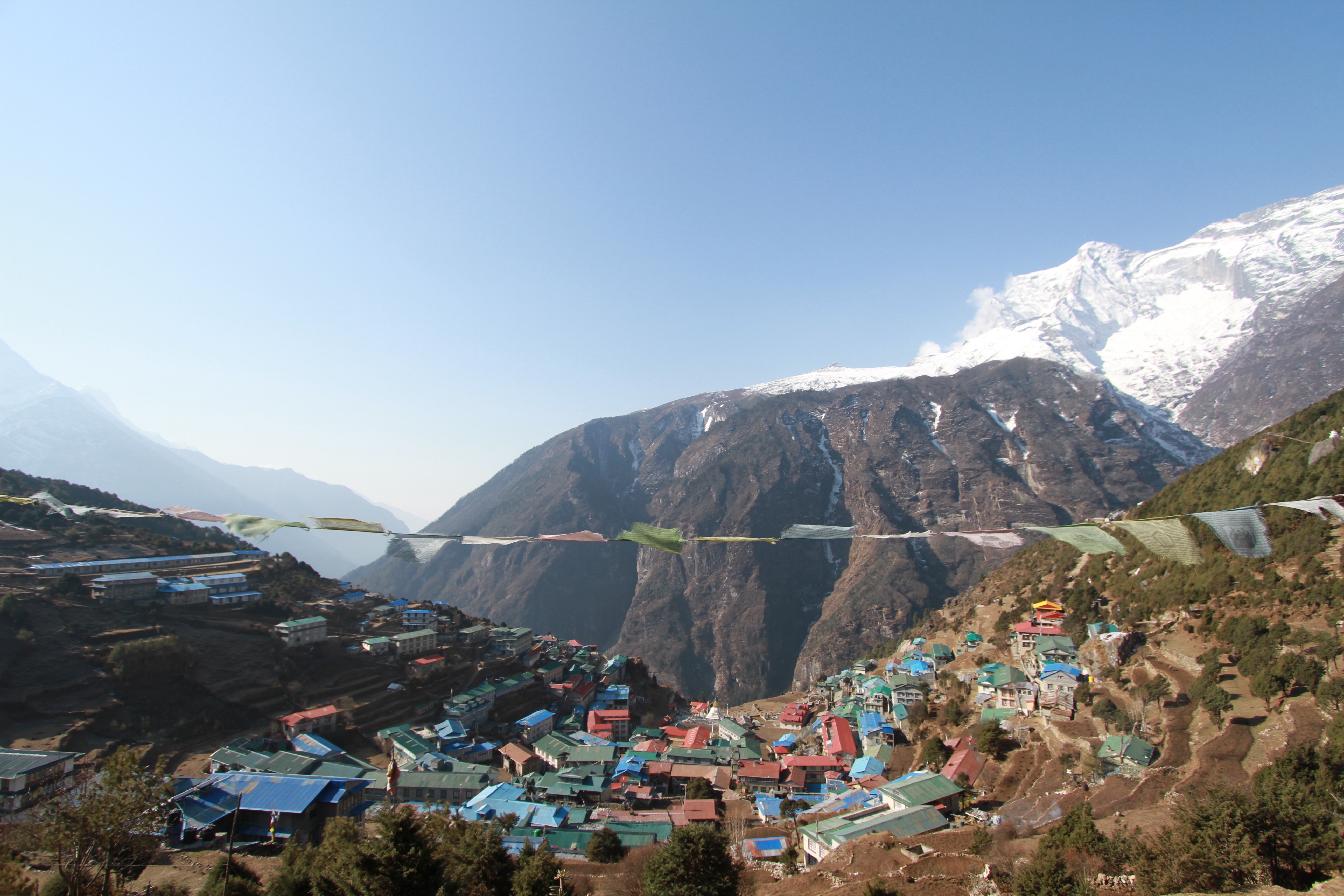
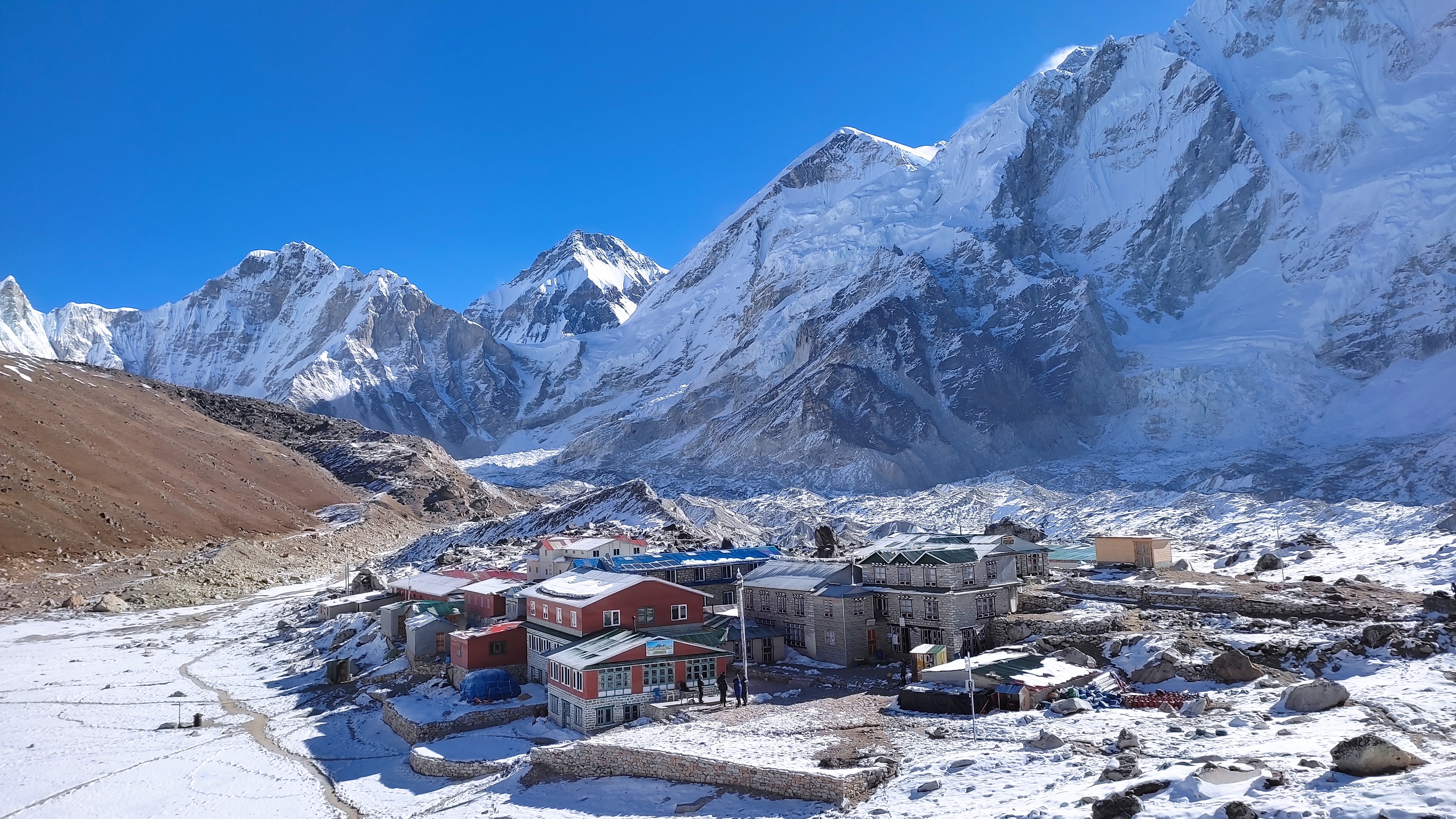
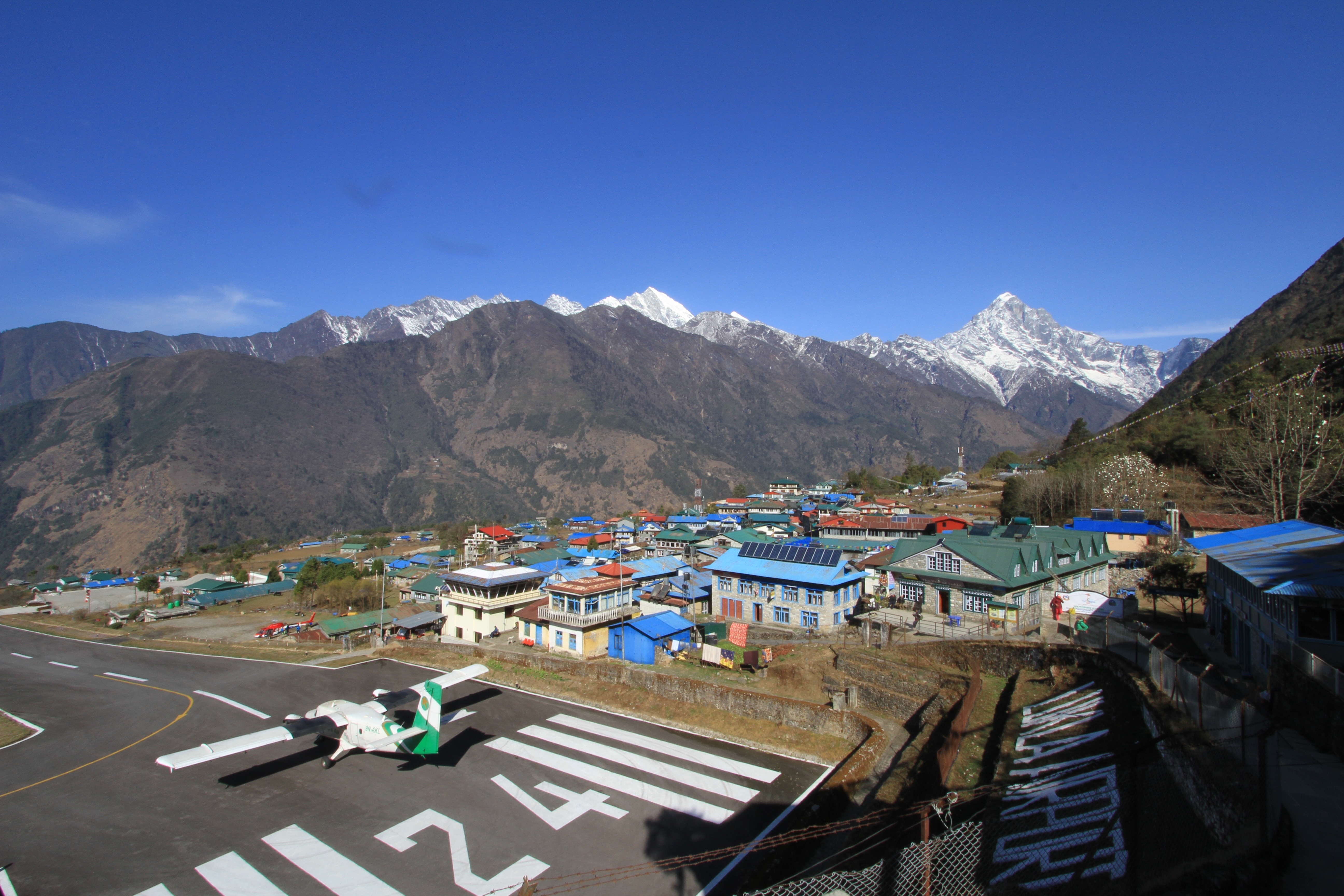
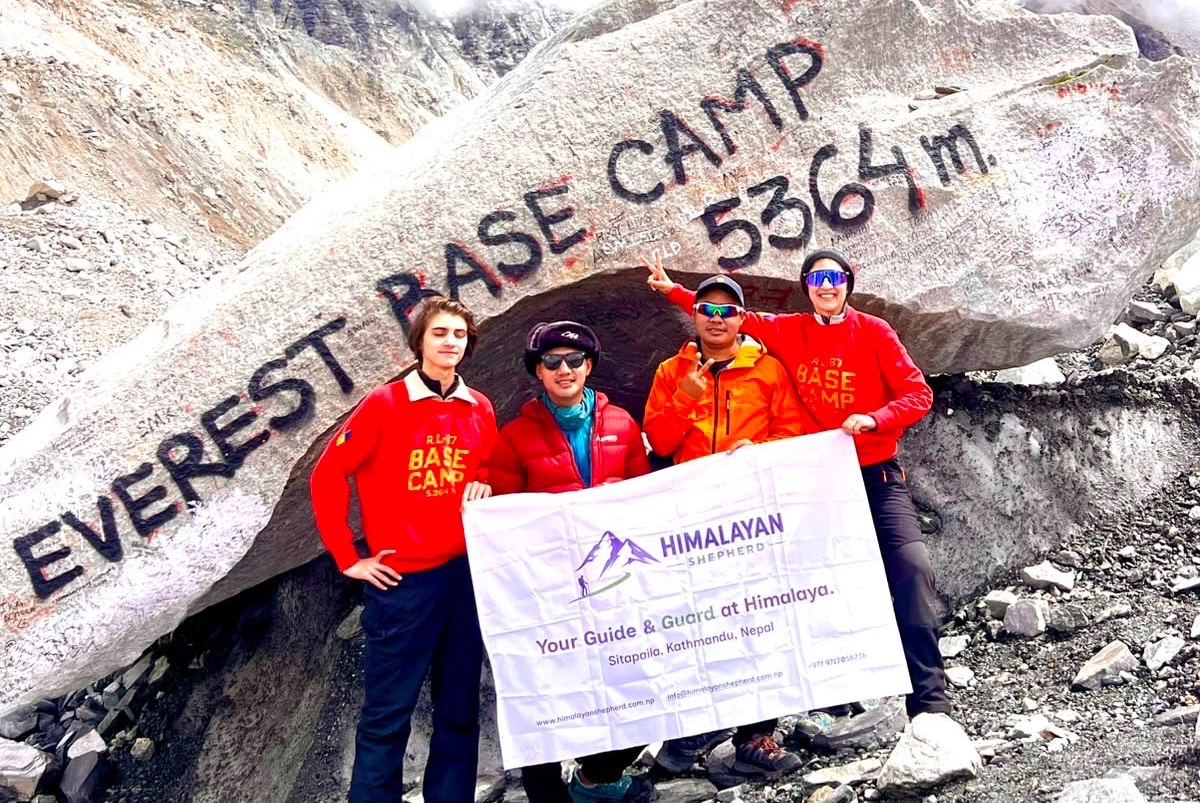







The 15 day Everest base camp trek is aimed at making a safe and fun trek with the correct acclimatization. From Kathmandu, it's a wild ride up the mountains to Lukla, then through the gorgeous villages of Phakding, Namche Bazaar, Tengboche, Dingboche, Lobuche and Gorak Shep.
There are two days of acclimatisation at Namche Bazaar and Dingboche to aid your body to adapt to the rising altitudes. During the trip you will meet the warm hearted Sherpa people, see the famed Tengboche Monastery, walk along the Khumbu glacier and eventually arrive at the legendary Everest Base Camp.
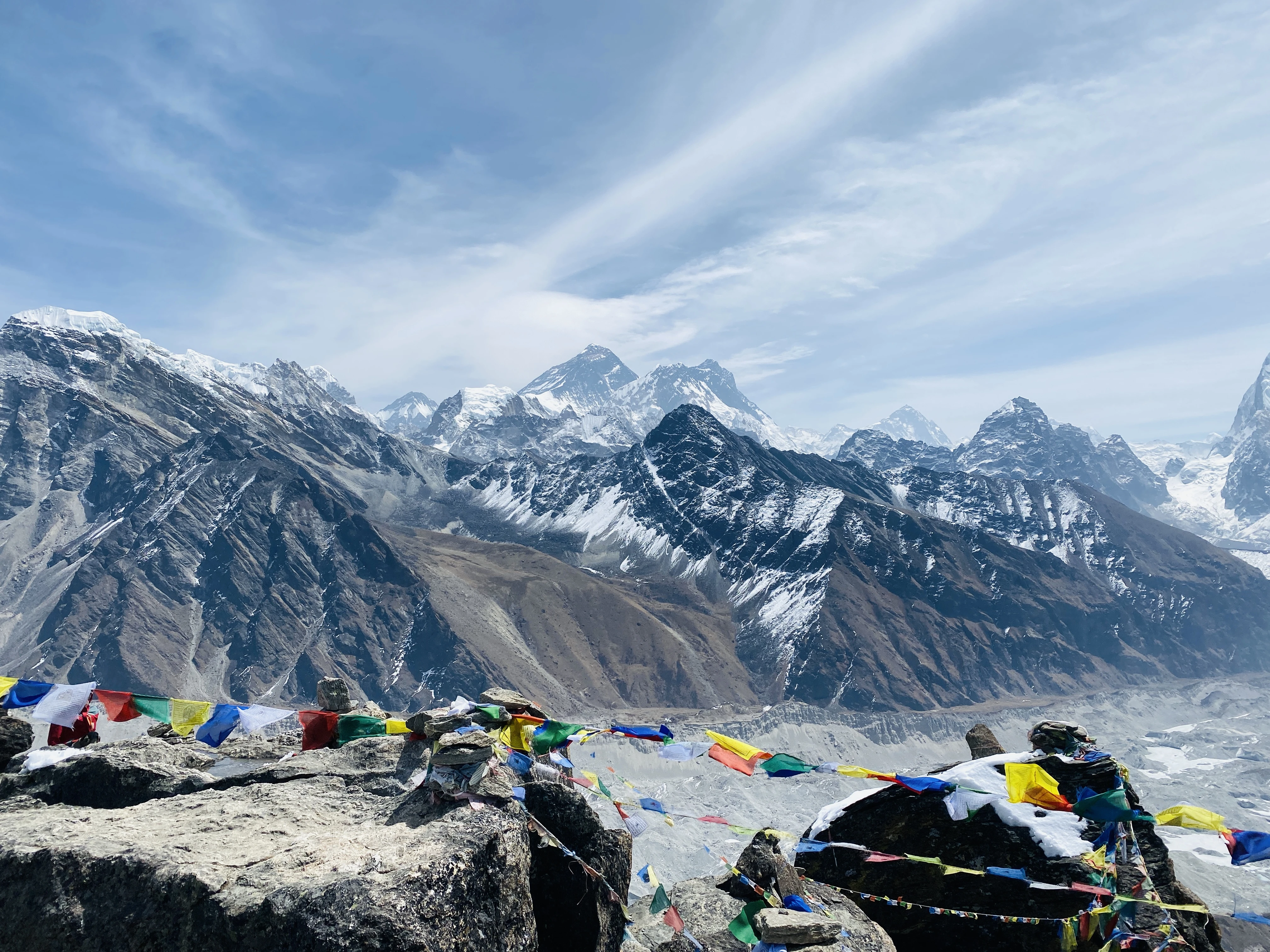
The best part of the hike is the early morning hike to Kala Patthar (5545m) to enjoy the stunning sunrise with a view over Mount Everest and the other Himalayan giants. You will be accommodated in traditional teahouses, and will experience adventure, culture and natural beauty all along the way.
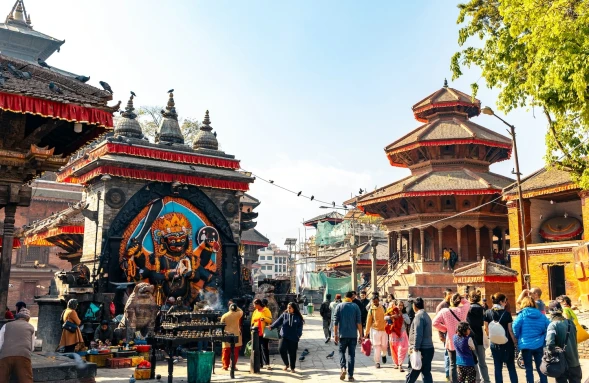
Welcome to Kathmandu, the vibrant capital of Nepal and the gateway to the Himalayas. Upon your arrival at Tribhuvan International Airport (TIA), our representative will warmly welcome you and transfer you to your comfortable 3-star hotel. After checking in, you can relax and recover from your journey before meeting your experienced trekking guide.
Spend the rest of the day exploring the lively streets of Thamel, enjoying local cafés, restaurants, and souvenir shops, or simply unwind at your hotel before your Himalayan journey begins. Overnight stay at a comfortable 3-star hotel in Kathmandu.

 Accommodation:
 Overnight at a 3-Star Hotel
Today is dedicated to preparing for your Himalayan adventure. After breakfast, enjoy a guided sightseeing tour of Kathmandu's UNESCO World Heritage Sites, including Pashupatinath Temple, Boudhanath Stupa, and Swayambhunath (Monkey Temple). Later, return to Thamel to purchase or rent any remaining trekking gear. Your guide will conduct a final equipment inspection and answer any questions before the trek begins.
Accommodation: Overnight at a 3-Star Hotel
The Everest Base Camp experience starts off with an amazing flight to Lukla, one of the world's most thrilling airports. On the flight see the Himalayan ranges from the air before landing at Tenzing-Hillary airport. You start your trek with your guide and porter and then head down a very gentle path through the stunning Sherpa village, prayer wheels and mani stones. After crossing the Dudh Koshi River you will pass through small villages such as Chheplung and Ghat and then enter the peaceful village of Phakding at the end, and spend your first night in a cosy teahouse.
Accommodation: Standard local hotel available there.
 Meals:
 Breakfast, Lunch, Dinner
Post breakfast, head along the Dudh Koshi River passing through a few suspension bridges adorned with colorful prayer flags. The trail goes through beautiful villages like Monjo, where you will enter into Sagarmatha National Park. Permit verification and then the trail slowly ascends through pine forests until it reaches the iconic Hillary Suspension Bridge. After a difficult trek to the top, you arrive at the bustling Sherpa capital of the Khumbu region, namely Namche Bazaar. You can see your first view of Mount Everest en route, if the weather is clear.
Accommodation: Standard Hotel/Tea House availabl there
Meals: Breakfsat, Lunch, Dinner
Acclimatization is a necessary component of the trek to acclimatize to the rise in altitude. Rather than a full day's rest, you will hiking short distances to the Everest View Hotel, the highest luxury hotel in the world. Trail is lined with great views of Everest, Ama Dablam, Lhotse and Thamserku. Once you get back to Namche, you'll be able to visit local markets, cafes, bakeries and the Sherpa Culture Museum, before enjoying a comfortable evening in the village again.
The present trail is a top-notch of the entire trek in terms of the finest mountain scenery. The walk is along the ridge with a view of Everest, Lhotse, Nuptse and Ama Dablam and slowly descends to Phunki Tenga near the Dudh Koshi River. Then on an up hill path through rhododendron and pine woods you reach Tengboche after lunch. At here, you'll get a chance to visit the famous Tengboche Monastery, the largest and the most important Buddhist monastery in the Everest region, surrounded by amazing Himalayan peaks.
Start the day with a peaceful descent through forests to Deboche before crossing the Imja Khola River. Follow the traditional Sherpa village of Pangboche, where the ancient Buddhist culture prevails. The views shift from the dense forests to open alpine areas as the altitude rises. Passing stone-walled fields and grazing yaks, you'll finally arrive in Dingboche, a beautiful village surrounded by towering snow-capped mountains.
There is another acclimatisation day to prepare your body for higher altitudes. A rewarding hike to Nagarjun Hill takes in stunning views of Ama Dablam, Makalu, Lhotse, Island Peak and Imja Valley. Enjoy the view for a while and then head back to Dingboche where you'll have lunch and unwind the rest of the afternoon.
From Dinghoche, it is a gentle walk up hill through extensive open alpine meadows to Thukla. A brief stop at the Everest Memorial Site, where stone plaques commemorate climbers who gave their lives up on Everest, leads to a steep climb. The path then runs alongside the edge of the Khumbu Glacier, providing great views of the mountains, until it reaches a small settlement of Lobuche for an overnight stop.
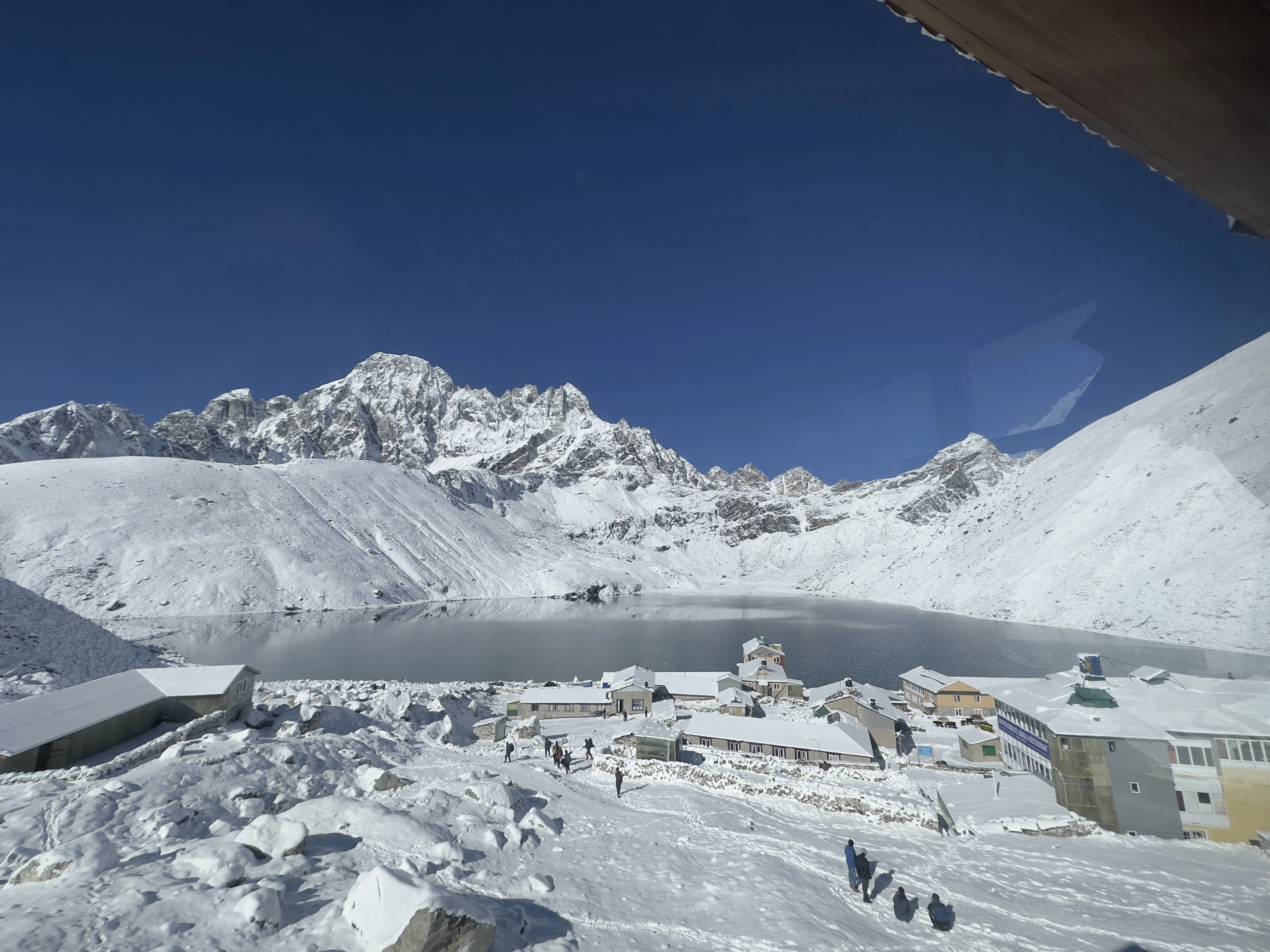
This is one of the most awaited days of your life. Follow the rocky path next to the Khumbu Glacier after breakfast, before reaching Gorak Shep. For trekkers from all over the world, climbing to Everest Base Camp is a dream come true. Celebrate the occasion, take photos and take time to appreciate the amazing glacier and surrounding peaks. Never, from Base Camp, can you catch sight of Everest's summit, but being at the foot of the Great One is a once-in-a-lifetime experience. Afterwards, head back to Gorak Shep and sleep there all night.
This is one of the most awaited days of your life. Follow the rocky path next to the Khumbu Glacier after breakfast, before reaching Gorak Shep. For trekkers from all over the world, climbing to Everest Base Camp is a dream come true. Celebrate the occasion, take photos and take time to appreciate the amazing glacier and surrounding peaks. Never, from Base Camp, can you catch sight of Everest's summit, but being at the foot of the Great One is a once-in-a-lifetime experience. Afterwards, head back to Gorak Shep and sleep there all night.
After breakfast, begin your descent from Pheriche, retracing your steps through the beautiful Khumbu Valley. Cross suspension bridges over the Dudh Koshi River and pass through picturesque Sherpa villages, including Pangboche, Deboche, and Tengboche, where you can enjoy views of the famous monastery. Continue through lush rhododendron and pine forests before reaching Kyangjuma and finally Namche Bazaar. The lower altitude makes breathing easier, and you'll spend the night in the lively Sherpa town of Namche Bazaar.
Today marks the final day of your Everest Base Camp trek. Descend through the villages of Monjo, Phakding, and Chheplung while following the Dudh Koshi River. Cross several suspension bridges and enjoy your last views of the Khumbu region before reaching Lukla. In the evening, celebrate the successful completion of your trek with your guide, porter, and fellow trekkers. Overnight stay at a teahouse in Lukla.
Have breakfast then take a scenic flight back to Lukla. The time taken depends on the direct flight to Kathmandu, which takes about 35-40 minutes. In the high season of the trek, flights are typically made to Manthali from where it's a 4-5 hours drive to Kathmandu. After you arrive our representative will take you to your hotel and you have now completed your Everest Base Camp Trek with Himalayan Shepherd, you will never forget it.
After breakfast, depending on your flight schedule, our representative will transfer you to Tribhuvan International Airport (TIA) for your onward journey. We recommend arriving at the airport at least three hours before your international flight.
As your unforgettable Everest Base Camp adventure comes to an end, you'll leave Nepal with incredible memories of breathtaking Himalayan landscapes, Sherpa culture, and the achievement of trekking to the base of the world's highest mountain. We hope to welcome you back to Nepal for another adventure in the future. Safe travels!
Let's customize this itinerary as per your time and budget, as you like.
Pricing depends on your group size. All quotes include domestic flights, permits, teahouse accommodation, and a full guide and porter team.
| Group Size | Cost Per Person | Notes |
|---|---|---|
| 1 PX | 1550 USD | |
| 2-3 PX | 1500 USD | |
| 4-9 PX | 1450 USD | |
| 10-14 PX | 1380 USD |
Tick items off as you pack — your progress is saved on this device.
These are the equipment list that need to pack for the Everest Base Camp trek.
No gear matches that search. Try a different word.
Down jackets, sleeping bags and trekking poles can be hired or bought inexpensively in Kathmandu and Namche Bazaar — ask our team and we will arrange it before you set off.
We are a team of professionals who share a common devotion to the outdoors — government-licensed, altitude-trained, and with you from Lukla to the summit.
Our TeamMr. Gyaljen Sherpa was born and raised in the Everest region, and his Sherpa heritage gives him deep, lifelong knowledge of the mountains, local commu...
View Profile
Sikendar Chaudhary (CK) is a licensed professional trekking guide from Nepal with over 5 years of experience leading unforgettable adventures across t...
View Profile
With over a decade of professional guiding experience navigating the diverse topography of the Himalayas, Mr. Bijay Rai stands out as a highly reliabl...
View Profile.webp)
Everest Base Camp Trek is a moderate trek. It requires 5-8 hours of walking on the mountain trails each day and a minimum level of fitness.
The best seasons are spring (March to May) and autumn (September to November), at this time the weather is nice, the skies are clear and you will see wonderful mountain views.
Generally Everest Base Camp Trek takes 12-14 days, depending on the route and acclimatization.
If you have Experience in trekking it would be useful but not necessary.
Kala Patthar is the highest point (5,545m/18,192ft) and Everest Base Camp is at 5,364m/17,598ft.
The Everest Base Camp Trek offers breathtaking panoramic views of Mount Everest and other majestic Himalayan peaks such as Mt. Lhotse (8,516m), Cho Oyu (8,201m), and Mt. Makalu (8,463m). Additional highlights include Sagarmatha National Park, Lukla Airport, Kalapattar, Khumbu Glacier, and Everest Base Camp, itself. The trek also provides opportunities to visit cultural and religious landmarks like the Tengboche Monastery. You will also experience the local Sherpas, their hospitality, and their lifestyles.
The Everest Base Camp Trek offers breathtaking panoramic views of Mount Everest and other majestic Himalayan peaks such as Mt. Lhotse (8,516m), Cho Oyu (8,201m), and Mt. Makalu (8,463m). Additional highlights include Sagarmatha National Park, Lukla Airport, Kalapattar, Khumbu Glacier, and Everest Base Camp, itself. The trek also provides opportunities to visit cultural and religious landmarks like the Tengboche Monastery. You will also experience the local Sherpas, their hospitality, and their lifestyles.
You will need following permits:
Yes, citizens of most countries can obtain a tourist visa on arrival at Tribhuvan International Airport in Kathmandu. You can check Nepal Airport Immigration to verify your eligibility.
For an on-arrival visa, you should have a passport valid for 6+ months, one passport-sized photo, Cash (USD or NPR), and a visa application form. To avoid delays, you can complete the online visa application before your arrival.
Yes, new trekking regulations since 2023 now require all trekkers in the Everest region to be accompanied by a licensed guide. If you choose to trek with us, we provide experienced, licensed guides who assist with navigation and safety throughout the journey.
You should hire a porter because a porter carries your main bagpack/duffle bag, allowing you to trek with only a light daypack. This reduces physical strain and helps conserve energy, especially at higher elevations where every step requires more effort.
Our porters carry a maximum of 18 kg of a duffel bag shared between two trekkers. This means your luggage should not exceed 9 kg. Keeping your luggage within the limit helps ensure porter safety and comfort, so pack only essentials and label your bag clearly.
You will stay in family-run mountain teahouses throughout the trek. Rooms are basic but comfortable, typically with twin beds, mattresses, pillows, blankets, and shared bathroom facilities. Each lodge has a communal dining hall for meals and socializing. Bedrooms are unheated, so you'll need a warm sleeping bag. As you gain altitude, rooms become simpler and bathrooms are more basic, mainly beyond Dingboche and Lobuche.
Yes, vegetarian food is widely available throughout the trail. You can find dal bhat (rice with lentil soup and vegetables), vegetable fried rice, noodles, soups, potatoes, pancakes, porridge, and egg-based dishes at every teahouse. We recommend Dal Bhat for your meal because it is fresh and comes with refills.
You can get a mix of Nepali, Tibetan, and international dishes in teahouses. Common meals include dal bhat, fried rice, pasta, noodles, momos, soups, bread, eggs, and seasonal vegetables. Safe drinking water usually comes from boiled, filtered, or treated sources and is available throughout the route.
Spring (March–May) and autumn (September–November) are the best seasons for the Everest Base Camp trek. Spring offers blooming rhododendrons and clear mountain views, while autumn brings dry trails, excellent visibility, and stable weather.
October and November are peak months with a higher chance of successful Lukla flights. April and May offer balanced environmental conditions with fewer crowds.
Temperatures at Everest Base Camp can drop to -10°C to -15°C during spring nights and range from 0°C to 5°C in daytime. In winter, daytime temperatures are usually between -5°C and 0°C, while nights can fall as low as -20°C to -25°C. The coldest places on the trek are Gorak Shep and Kala Patthar, where temperatures often remain below freezing after sunset.
The best way to reduce altitude sickness on the Everest Base Camp trek is to ascend slowly, stay well hydrated, and give your body time to adapt.
Our itinerary includes acclimatization days in places like Namche Bazaar and Dingboche to support a safer ascent. You should drink plenty of water, avoid alcohol and sleeping pills, and monitor symptoms like headache, nausea or dizziness. If symptoms worsen, you should not continue ascending.
Diamox (acetazolamide) can help reduce the risk of altitude sickness but isn't a replacement for proper acclimatization. You should consult a doctor or follow professional medical advice regarding dosage and suitability. It may cause side effects such as tingling in the fingers, frequent urination, or a metallic taste.
If you feel uneasy or unwell at altitude, you should descend immediately regardless of medication.
Yes, you should bring all personal prescription medications along with a basic first-aid kit. Common items include pain relievers (ibuprofen or paracetamol), anti-diarrheal medication (loperamide), antibiotics (prescription only), blister treatment (Moleskin and Band-Aids), and Diamox (if prescribed) or dexamethasone for emergency altitude sickness.
Nepali is the official language of Nepal, while Sherpa (a Tibetan dialect) is widely spoken in the Everest region. Guides and teahouse owners speak English fluently. At higher altitudes, English becomes less common but is still understood by lodge staff along the main trail. You can learn basic Nepali greetings, Namaste and Dhanyabad, to enhance interactions.
You can secure your booking by paying 10% of the total cost through the online payment system. We accept Visa, Mastercard, AMEX, bank transfers, debit cards, Wise and Western Union. The remaining 90% balance is typically paid during the pre-trekking briefing in Kathmandu, preferably in cash (USD or NPR).

Everest Base Camp with Himalayan Shepherd was tough but incredible. The guides knew how to manage altitude properly and checked in on everyone constantly. They weren't rushing us; the pace felt right. Food was surprisingly good at higher elevations, and the teahouses were well-chosen. Professional outfit. Worth every penny.



 UK Representative
  Nepal - Guide & Sales