
 Overview
 Itinerary
 Includes
 Map & Altitude
 Equipment
 Trip Info & FAQs
Mr. Gyaljen Sherpa
Mr. Gyaljen Sherpa was born and raised in the Everest region, and his Sherpa heritage gives him deep, lifelong knowledge of the mountains, local commu...
View Profile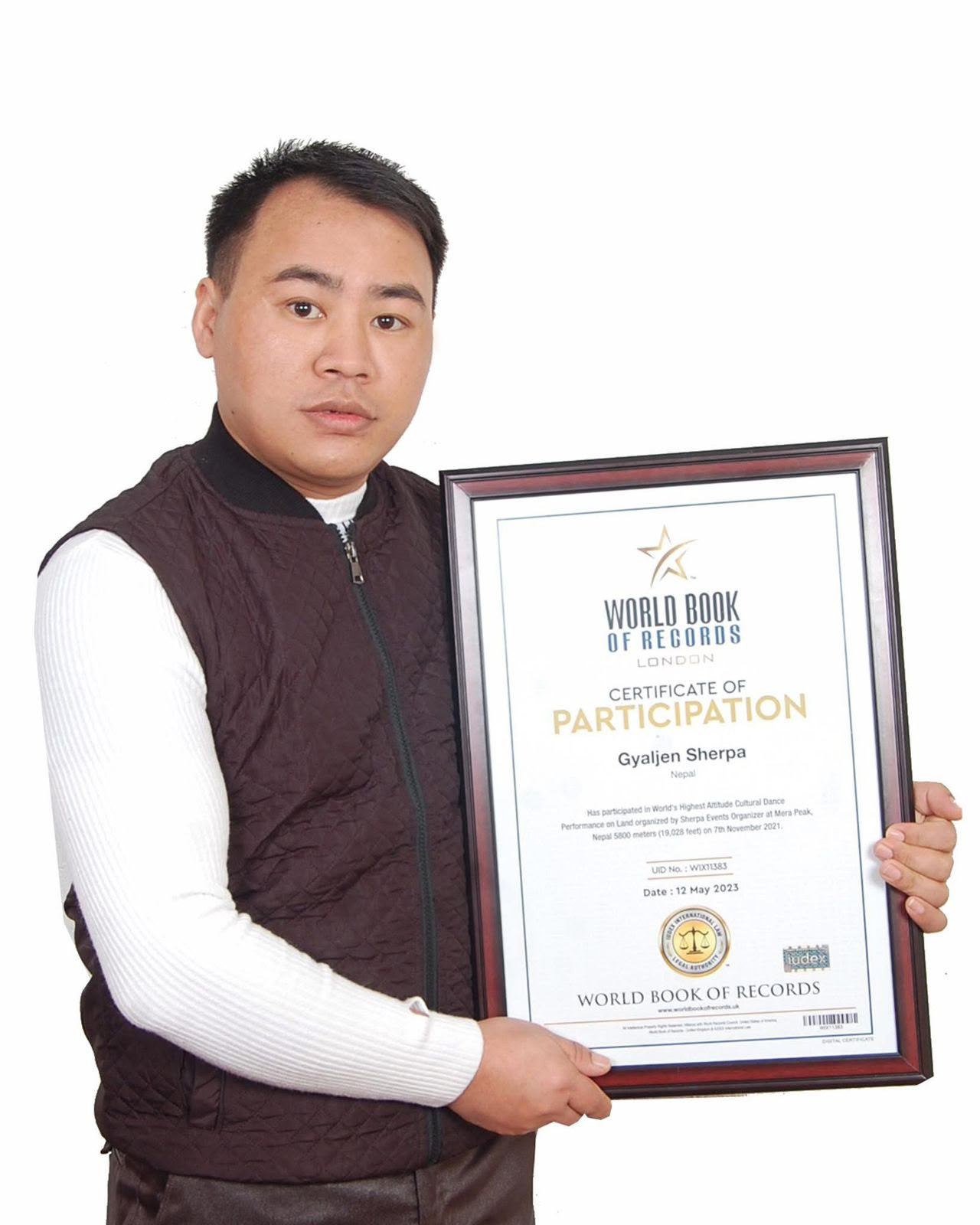
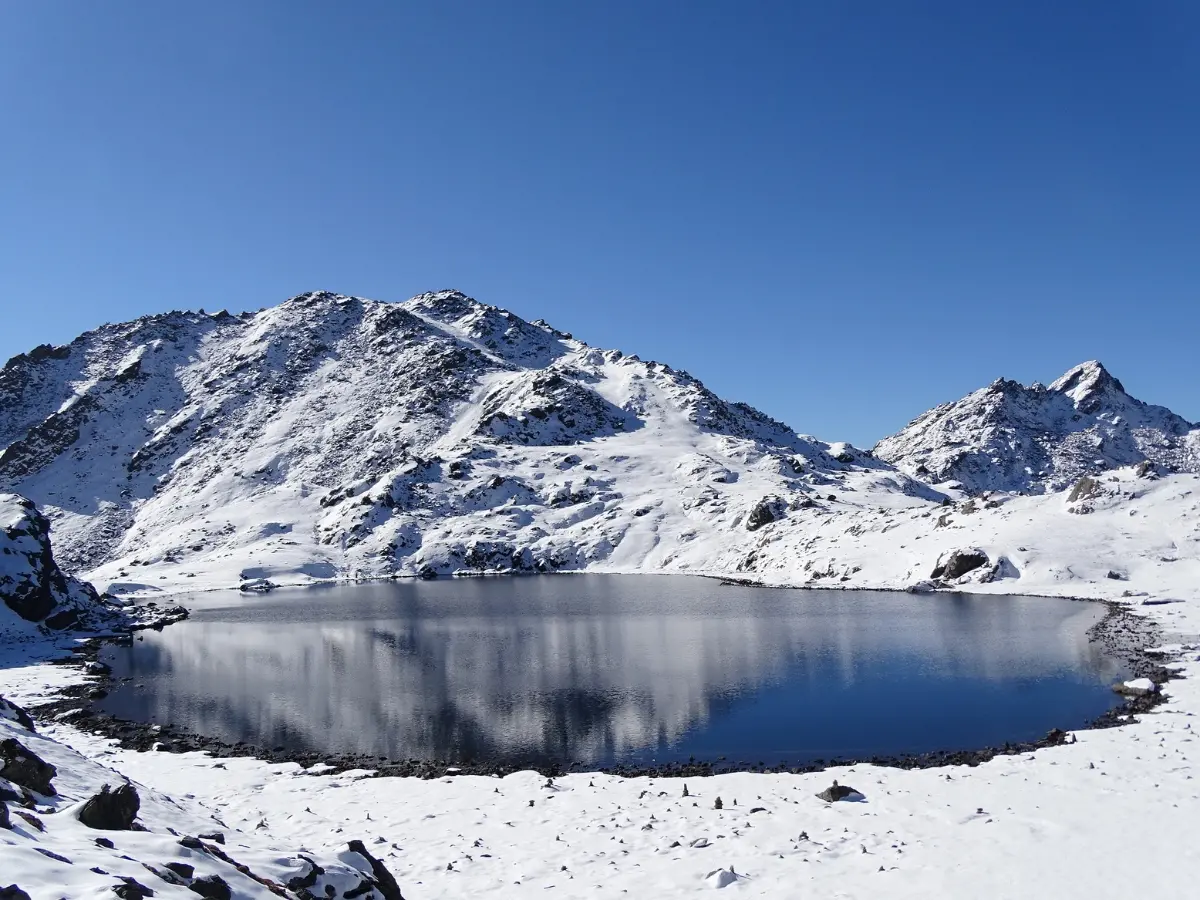
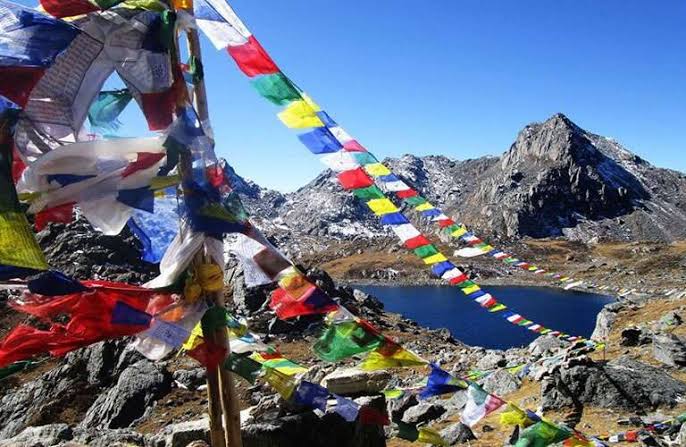
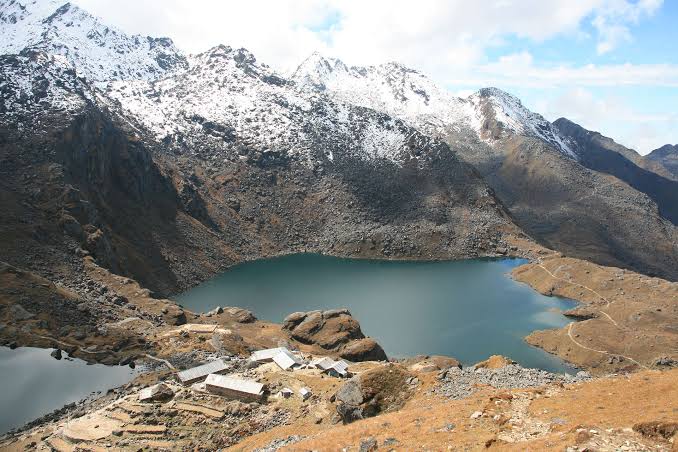
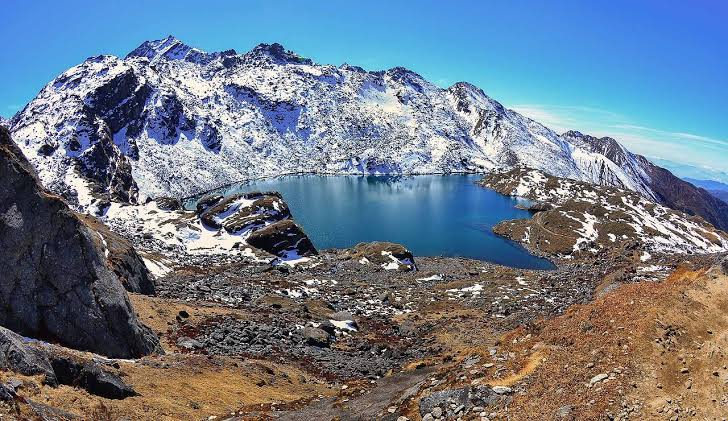







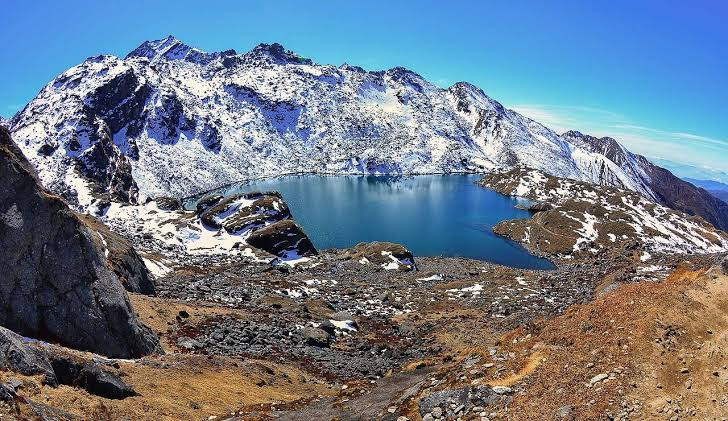
The Gosaikunda Trek is a perfect Himalayan adventure for travelers seeking breathtaking mountain scenery, rich cultural experiences, and a spiritual connection with nature. Located within Langtang National Park, this 8-day trek takes you through lush forests, charming Tamang villages, peaceful monasteries, and alpine landscapes before reaching the sacred Gosaikunda Lake at an altitude of 4,380 meters.
According to Hindu mythology, Gosaikunda was created by Lord Shiva and remains one of Nepal's most important pilgrimage sites. Every year, thousands of pilgrims visit the lake during the Janai Purnima festival to take a holy dip in its crystal-clear waters. Beyond its religious significance, the lake is surrounded by dramatic Himalayan peaks, making it one of the most beautiful high-altitude destinations in Nepal.
The trail offers a wonderful mix of natural beauty and cultural heritage. As you ascend, you'll walk through rhododendron and pine forests, spot Himalayan wildlife, and enjoy spectacular views of Langtang Lirung, Ganesh Himal, Manaslu, and even parts of the Annapurna range on clear days. With well-paced trekking days and welcoming local teahouses, the Gosaikunda Trek is suitable for trekkers with a reasonable level of fitness and is an excellent choice for those looking for a shorter Himalayan adventure.
Upon your arrival at Tribhuvan International Airport, our airport representative will warmly welcome you and transfer you to your hotel in Kathmandu. After checking in, you'll have time to relax after your journey or explore the vibrant streets of Thamel. In the evening, meet your trekking guide for a comprehensive briefing about the Gosaikunda Trek, including the trekking route, altitude safety, weather conditions, equipment check, and final preparations for the adventure ahead.
Today is dedicated to preparing for your Himalayan adventure. After breakfast, enjoy a guided sightseeing tour of Kathmandu's UNESCO World Heritage Sites, including Pashupatinath Temple, Boudhanath Stupa, and Swayambhunath (Monkey Temple). Later, return to Thamel to purchase or rent any remaining trekking gear. Your guide will conduct a final equipment inspection and answer any questions before the trek begins.
Your journey begins with a scenic drive from Kathmandu to Dhunche, the gateway to Langtang National Park. The road winds through beautiful hills, terraced farmlands, rivers, and traditional villages, offering glimpses of rural Nepal along the way. Upon arrival in Dhunche, you'll settle into your lodge and prepare for the trek ahead.
After breakfast, you'll begin your trek through dense forests of pine, oak, and rhododendron. The trail steadily climbs while offering occasional views of the surrounding hills and mountains. If you're lucky, you may spot wildlife such as langur monkeys or colorful Himalayan birds. By afternoon, you'll reach Chandanbari, a peaceful village famous for its traditional yak cheese factory and beautiful monastery.
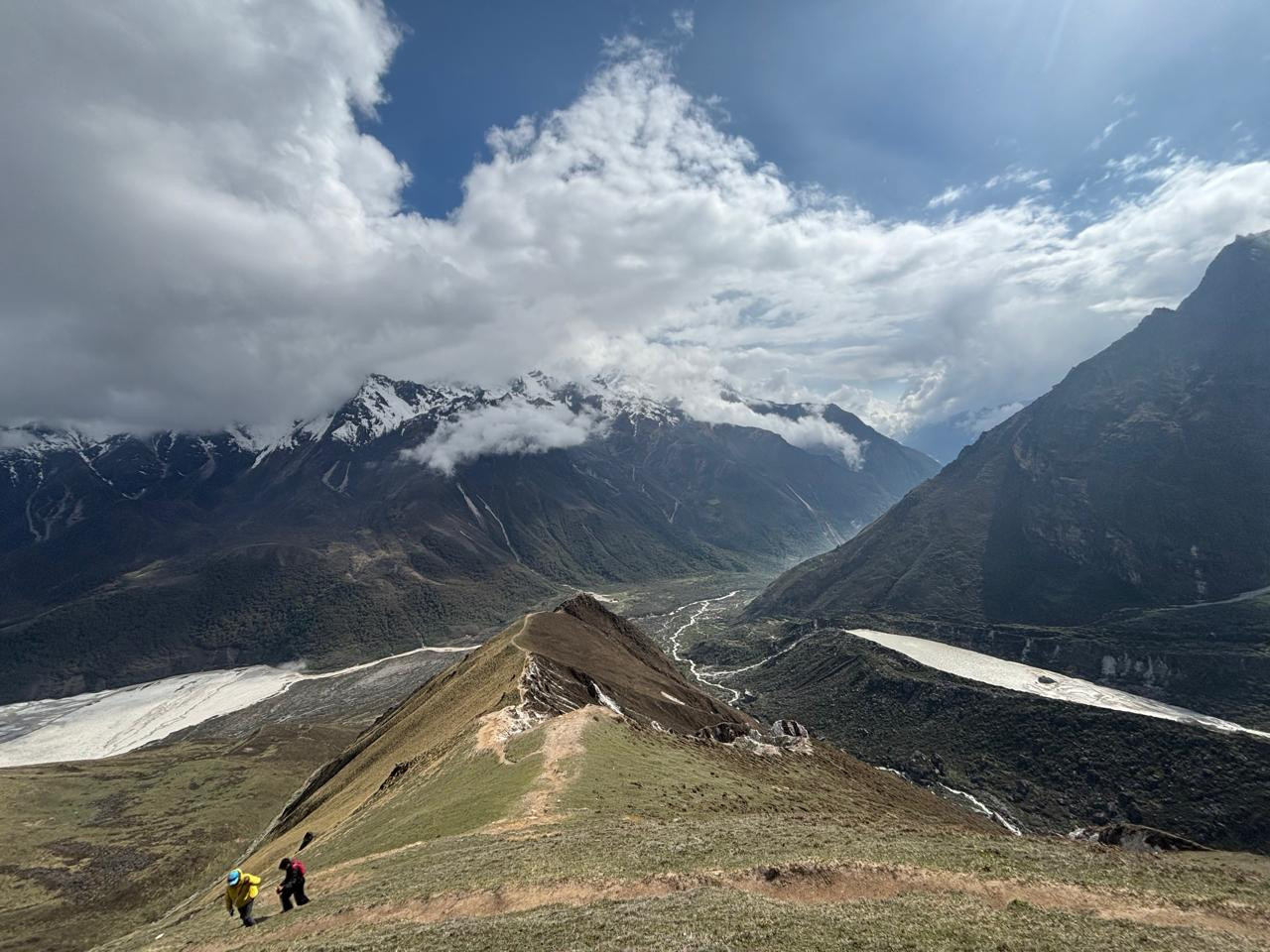
Today's trail gradually climbs above the tree line, revealing spectacular alpine landscapes. You'll pass Lauribina, a popular viewpoint offering breathtaking views of Langtang Lirung, Ganesh Himal, Manaslu, and the Annapurna range on clear days. Continuing uphill, you'll finally arrive at the sacred Gosaikunda Lake, one of Nepal's most revered pilgrimage sites. Surrounded by snow-capped peaks, the crystal-clear lake creates a truly unforgettable setting.
Wake up early to enjoy the peaceful atmosphere around the sacred lake before exploring the surrounding area. Gosaikunda holds great religious significance for both Hindus and Buddhists and attracts thousands of pilgrims each year, especially during the Janai Purnima festival. After spending time at the lake, begin your descent to Lauribina, enjoying panoramic mountain views along the way.
Today's trail descends through forests, small villages, and beautiful mountain landscapes. As you lose altitude, the air becomes warmer and the scenery changes back to lush greenery. Arrive in Dhunche by late afternoon and enjoy a relaxing evening after completing your Himalayan adventure.
After breakfast, take a scenic drive back to Kathmandu. The road follows winding mountain trails with views of hills, rivers, terraced fields, and traditional villages. Upon arrival in Kathmandu, your memorable Himalayan adventure comes to an end with wonderful memories of the mountains, nature, and local culture.
After breakfast, depending on your flight schedule, our representative will transfer you to Tribhuvan International Airport (TIA) for your onward journey. We recommend arriving at the airport at least three hours before your international flight.
As your unforgettable Langtang adventure comes to an end, you'll leave Nepal with incredible memories of breathtaking Snow caped landscapes,Tamang people, alongside smaller communities of Sherpas and Tibetan-origin groups. We hope to welcome you back to Nepal for another adventure in the future. Safe travels!
Let's customize this itinerary as per your time and budget, as you like.
Tick items off as you pack — your progress is saved on this device.
No gear matches that search. Try a different word.
Down jackets, sleeping bags and trekking poles can be hired or bought inexpensively in Kathmandu and Namche Bazaar — ask our team and we will arrange it before you set off.
We are a team of professionals who share a common devotion to the outdoors — government-licensed, altitude-trained, and with you from Lukla to the summit.
Our TeamMr. Gyaljen Sherpa was born and raised in the Everest region, and his Sherpa heritage gives him deep, lifelong knowledge of the mountains, local commu...
View Profile
Sikendar Chaudhary (CK) is a licensed professional trekking guide from Nepal with over 5 years of experience leading unforgettable adventures across t...
View Profile
The Gosaikunda Trek is situated in the Langtang National Park of northern Nepal, northeast of Kathmandu. The trail leads to the sacred Gosaikunda Lake, passing through beautiful forests, traditional mountain villages, and high Himalayan landscapes.
The standard Gosaikunda Trek takes 7 to 9 days, depending on your itinerary, trekking pace, and acclimatization schedule.
The trek offers breathtaking mountain scenery, pristine alpine lakes, rhododendron and pine forests, traditional Tamang and Sherpa settlements, Lauribina Pass viewpoints, and the sacred Gosaikunda Lake, one of Nepal's most important pilgrimage sites.
Yes. The Gosaikunda Trek is considered moderately challenging and is suitable for beginners with a reasonable level of fitness. Proper preparation and gradual acclimatization make the journey more comfortable.
The Gosaikunda Trek combines stunning Himalayan landscapes with rich cultural and religious significance. Unlike many other trekking routes, it offers the unique opportunity to visit a sacred alpine lake while enjoying peaceful trails and spectacular mountain views.
The Gosaikunda Trek is situated in the Langtang National Park of northern Nepal, northeast of Kathmandu. The trail leads to the sacred Gosaikunda Lake, passing through beautiful forests, traditional mountain villages, and high Himalayan landscape
Trekkers need a Langtang National Park Entry Permit and a Trekkers' Information Management System (TIMS) Card to complete the Gosaikunda Trek.
Yes. Our trekking packages include all the required permits, and we arrange the paperwork before your trip begins.
If you book with us, we will handle all permit arrangements. Independent trekkers can obtain the permits from the appropriate government offices in Kathmandu.
Yes. We strongly recommend comprehensive travel insurance, especially for trekking at high altitudes where emergency evacuation may be necessary.
Your policy should cover high-altitude trekking, emergency medical care, helicopter rescue, trip cancellation, and other unforeseen travel emergencies.
Yes. Most international travelers need a Nepal tourist visa, which can usually be obtained upon arrival at Tribhuvan International Airport or from a Nepalese embassy before traveling.
Yes. Under Nepal's current trekking regulations, international trekkers must be accompanied by a licensed trekking guide.
Guides ensure your safety, manage the route, share local knowledge, and assist with altitude-related concerns. Porters carry your luggage, allowing you to trek more comfortably.
Accommodation is provided in traditional teahouses and mountain lodges. Rooms are simple, clean, and comfortable, with twin-sharing arrangements available throughout the route.
Most teahouses offer electricity and hot shower facilities for an additional charge, although services may become more basic at higher elevations.
Yes. Many lodges provide Wi-Fi and charging services for an extra fee, but internet access may be slower or less reliable in remote areas.
You'll enjoy freshly prepared breakfasts, lunches, and dinners featuring a mix of Nepali, and Western dishes, including Dal Bhat, noodles, pasta, soups, fried rice, momos, eggs, and pancakes.
Yes. Vegetarian meals are widely available, and vegan options can also be prepared at many lodges if requested in advance.
Boiled water, filtered water, and bottled water are available throughout the trek. We recommend carrying a reusable bottle and using purification tablets or a water filter whenever possible.
The best trekking seasons are spring (March to May) and autumn (September to November), when the weather is generally stable and mountain views are at their best.
Spring brings blooming rhododendrons and pleasant temperatures, while autumn offers crystal-clear mountain views. Winter can bring heavy snowfall, and the monsoon season often results in wet and slippery trails.
Yes. The trek is possible year-round, but winter and monsoon treks require proper equipment, additional preparation, and flexible planning due to changing weather conditions.
The most common concerns are altitude sickness, dehydration, cold temperatures, and fatigue. Drinking plenty of water, maintaining a steady pace, and following your guide's advice will help reduce these risks.
Since the trek reaches elevations above 4,300 meters, altitude sickness is possible. Our itinerary allows gradual acclimatization to help you adjust safely.
Our guides are trained in first aid and emergency response. If required, we coordinate helicopter evacuation through your travel insurance provider and maintain communication with our operations team.
Essential items include waterproof trekking boots, warm clothing, a down jacket, rain gear, gloves, sunglasses, sunscreen, a reusable water bottle, personal medication, a headlamp, and a power bank.
Although blankets are available in most teahouses, bringing a warm sleeping bag is recommended, particularly during colder months.
Trekking poles are highly recommended for better balance and reduced strain on steep sections. A water purifier, gaiters (in snowy conditions), and a headlamp are also useful additions.
We recommend booking at least one month in advance, especially during the spring and autumn trekking seasons. Last-minute bookings may also be available, subject to availability.
A deposit is required to secure your reservation. The remaining balance can be paid before the trek starts or after you arrive in Kathmandu. We accept bank transfers, credit cards, Wise, Western Union, and cash.
We have a transparent cancellation and refund policy. Please refer to our Terms and Conditions or contact us for complete details before making your booking.
The trek begins with a drive from Kathmandu to Dhunche, which usually takes around 6–7 hours by local bus or private jeep.
No. The Gosaikunda Trek starts with a road journey, so domestic flights are not necessary.
After completing the trek, you'll travel back to Kathmandu by local bus or private jeep, depending on the package you choose or your personal preference.


 UK Representative
  Nepal - Guide & Sales