
 Overview
 Itinerary
 Includes
 Map & Altitude
 Equipment
 Trip Info & FAQs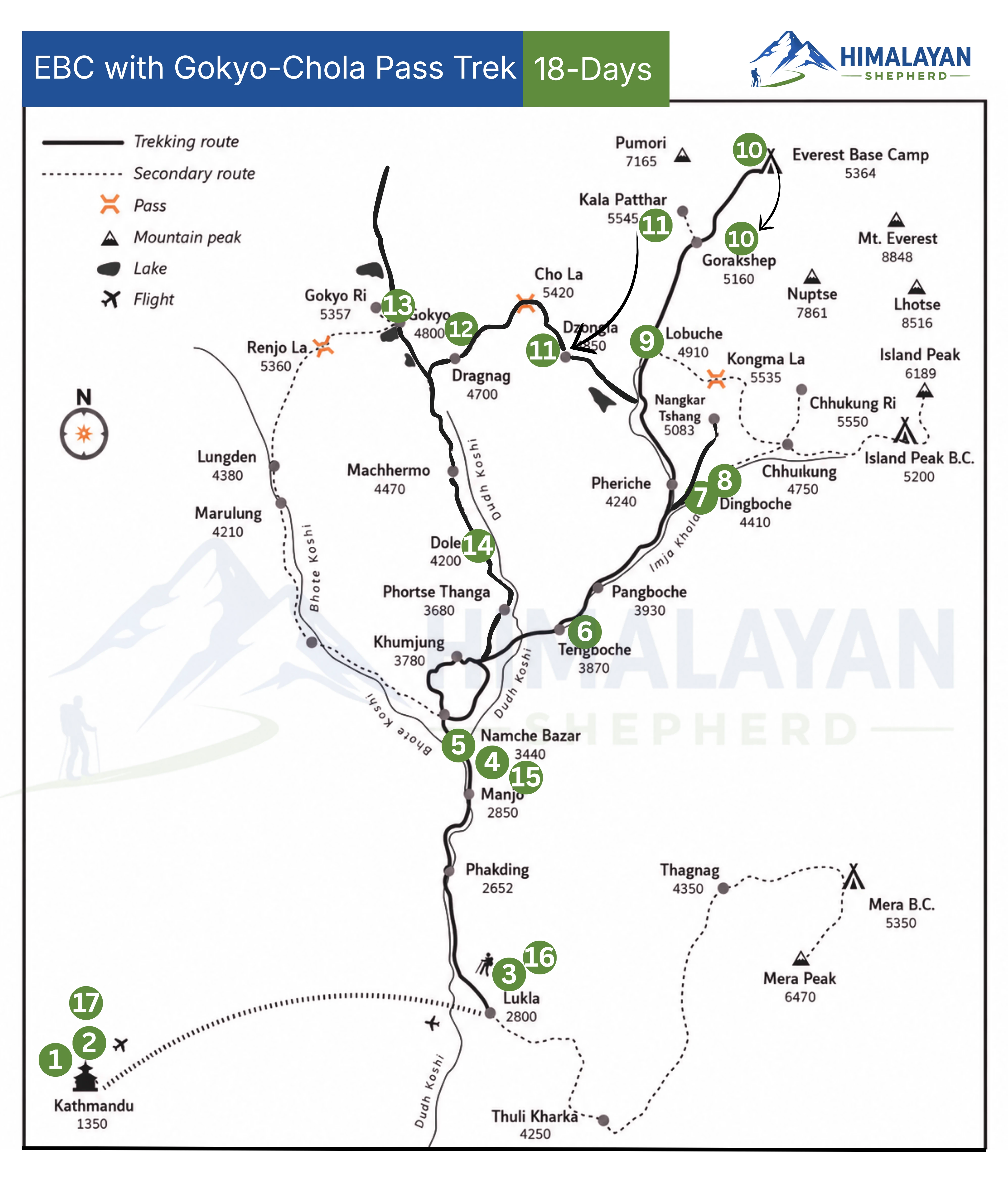
Mr. Gyaljen Sherpa
Mr. Gyaljen Sherpa was born and raised in the Everest region, and his Sherpa heritage gives him deep, lifelong knowledge of the mountains, local commu...
View Profile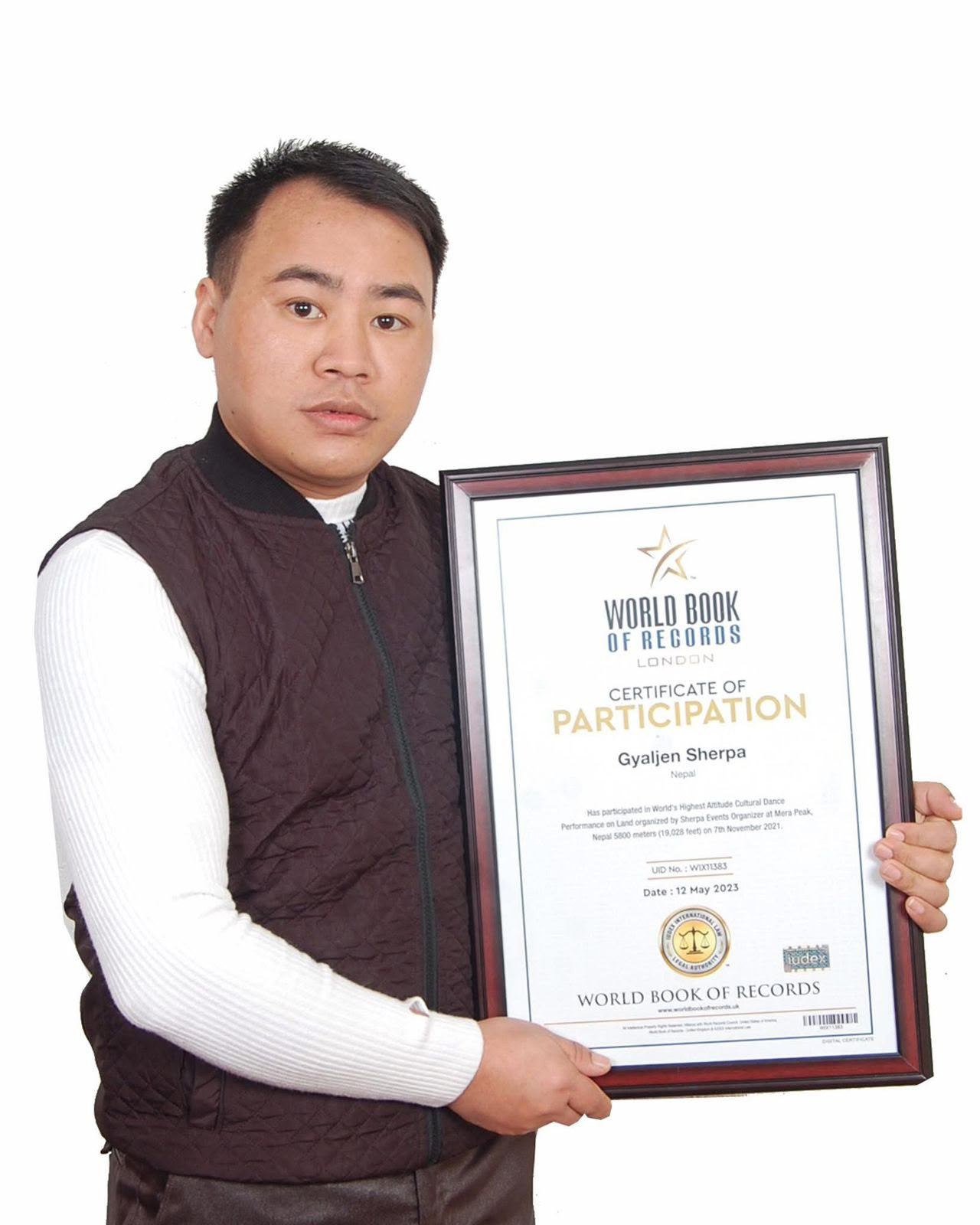
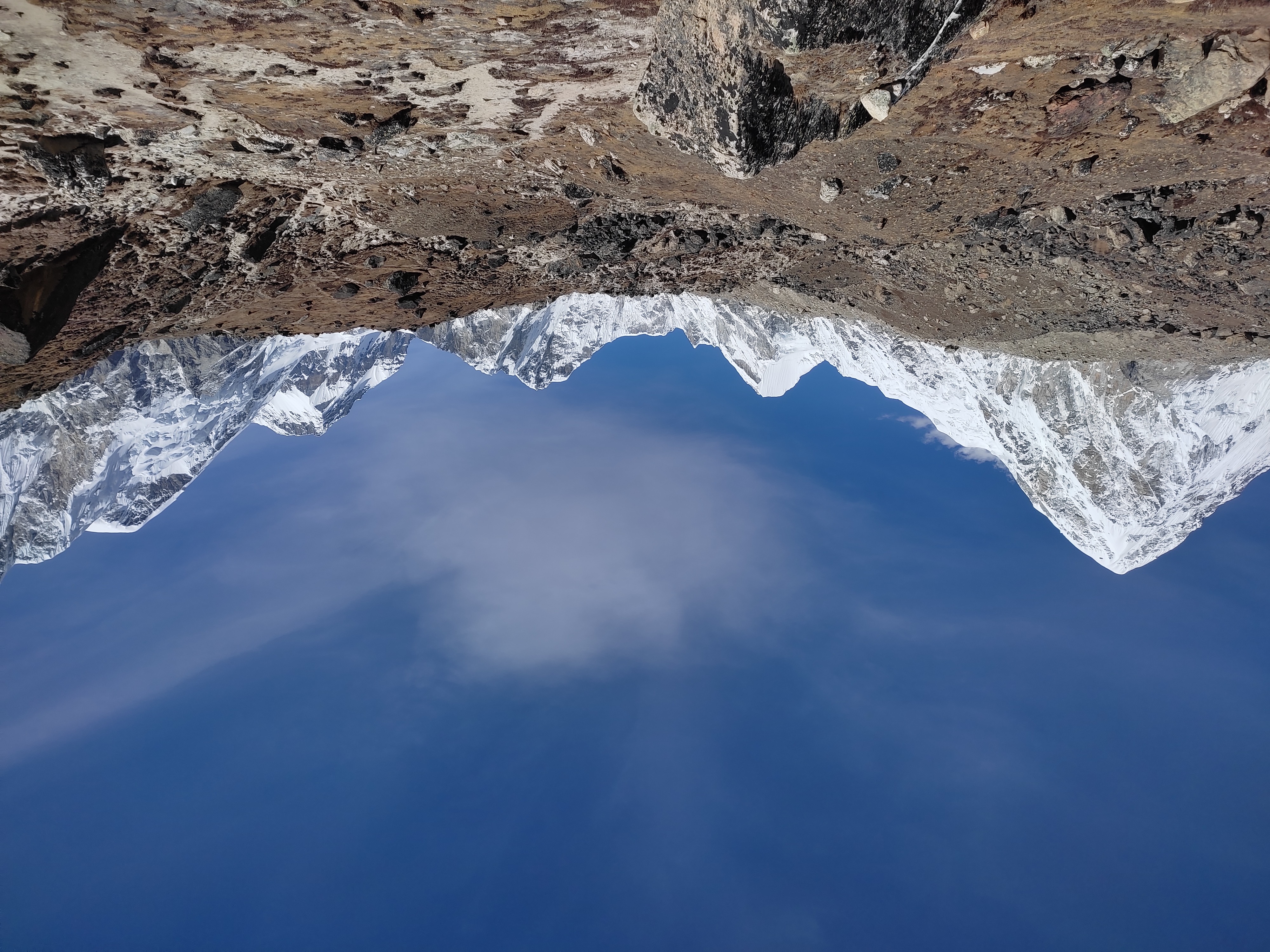
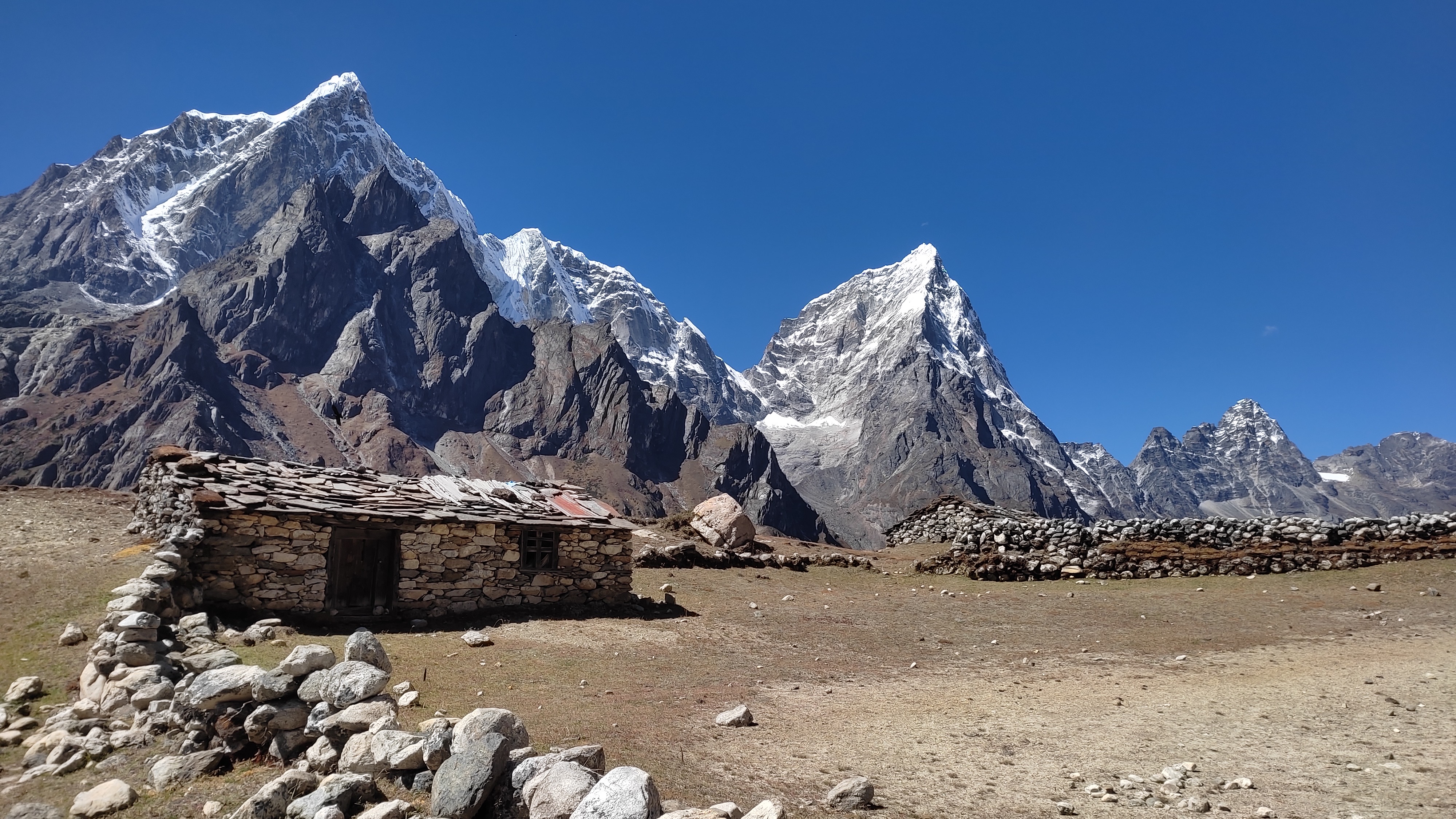
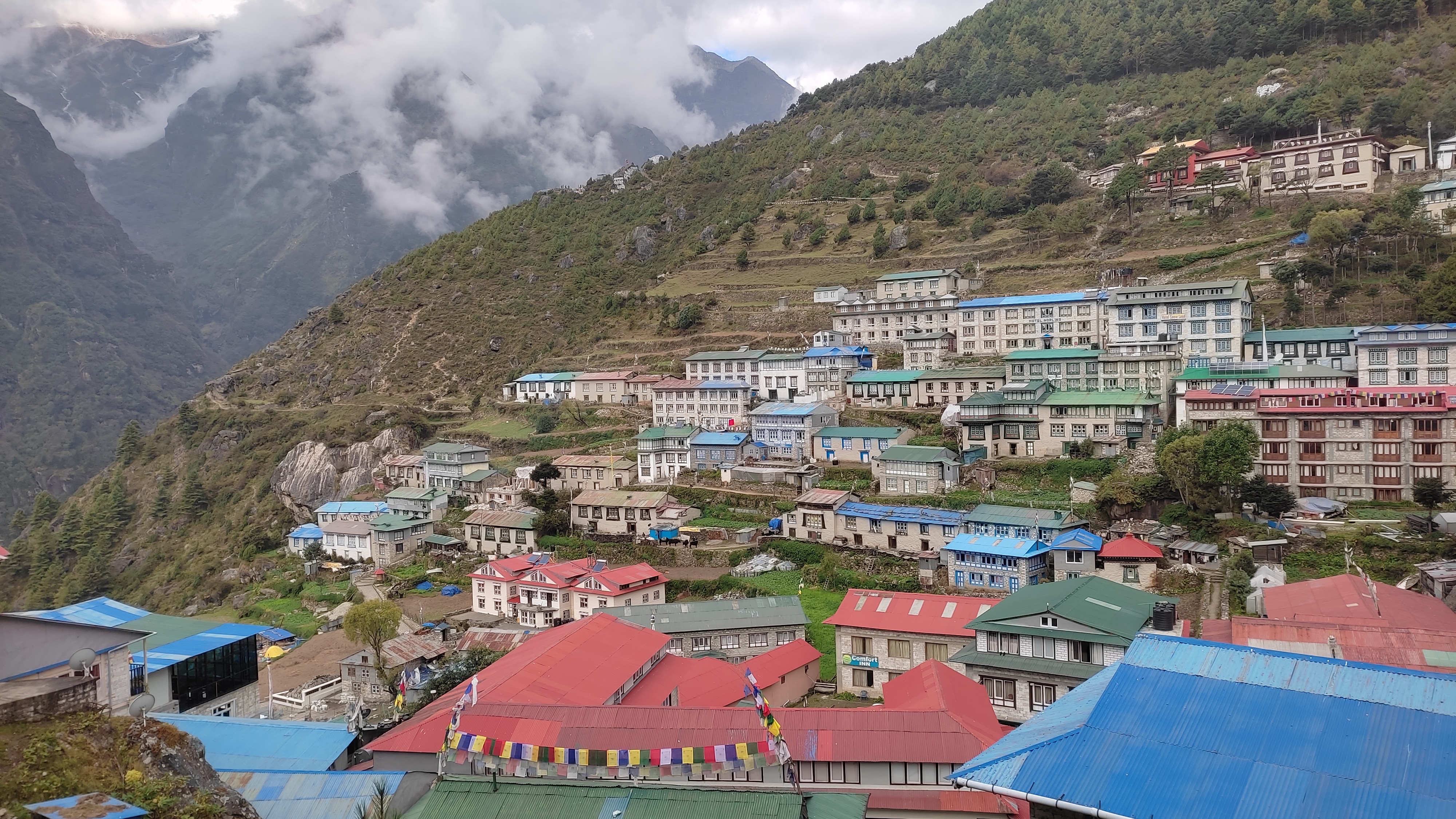

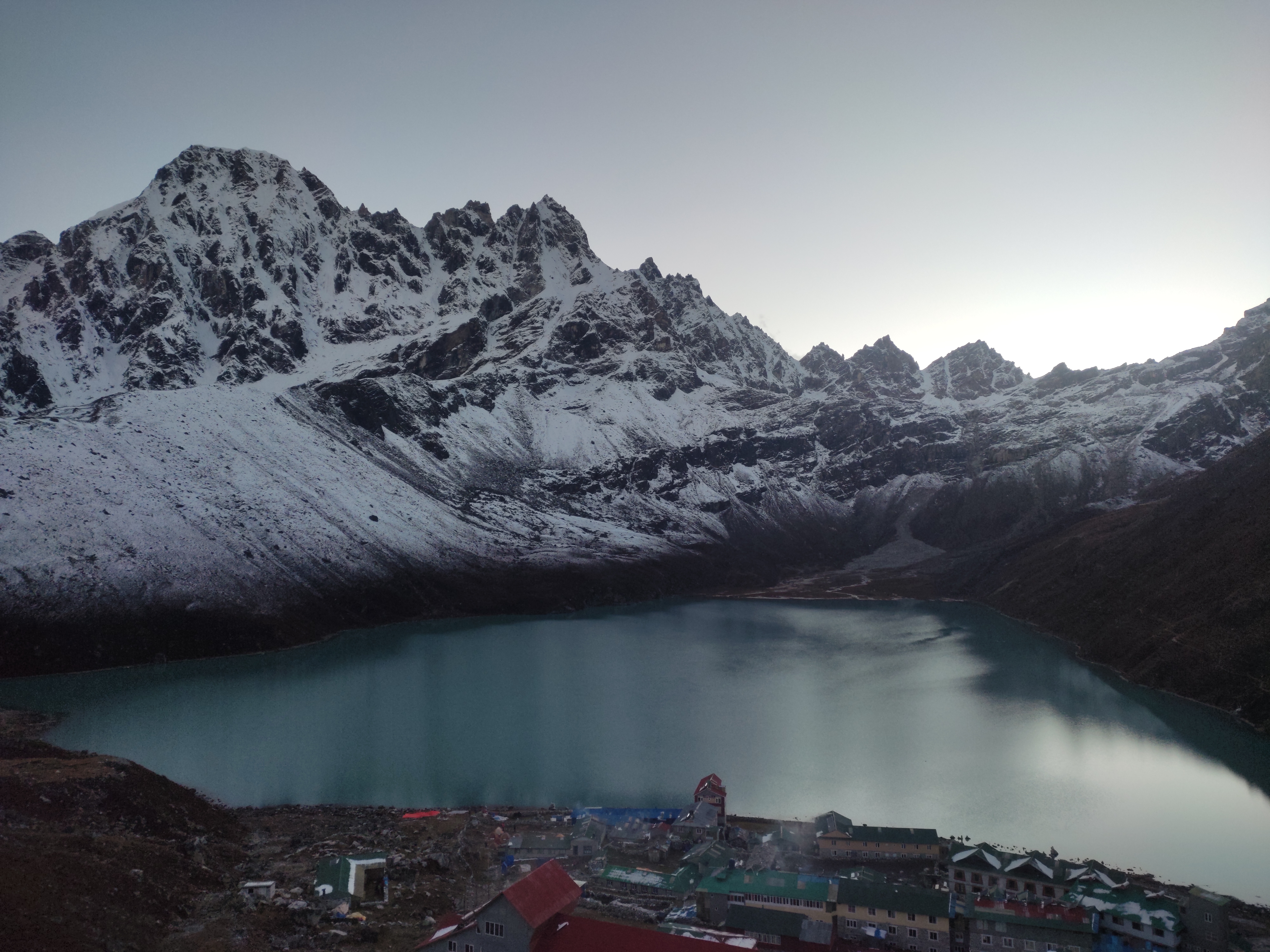







The Everest Base Camp with Gokyo Lake and Cho La Pass Trek is one of the most rewarding trekking adventures in the Everest region. This route combines the classic Everest Base Camp Trek with the stunning turquoise Gokyo Lakes and the challenging Cho La Pass (5,420 m), offering a complete Himalayan experience.
The trek takes you through traditional Sherpa villages, ancient monasteries, rhododendron forests, high-altitude glaciers, and some of the most spectacular viewpoints in the Khumbu region. Along the journey, you'll visit Everest Base Camp (5,364 m), climb Kala Patthar (5,545 m) for breathtaking sunrise views of Mount Everest, cross the famous Cho La Pass, and explore the beautiful Gokyo Valley.
This trek is ideal for adventurous trekkers seeking diverse landscapes, fewer crowds, and unforgettable mountain panoramas including Mount Everest, Lhotse, Nuptse, Makalu, Cho Oyu, Ama Dablam, and many other Himalayan peaks.
Upon arrival at Tribhuvan International Airport, our representative will welcome you and transfer you to your hotel. After checking in, you can relax or explore the lively streets of Thamel. In the evening, enjoy a trek briefing where your guide will explain the route, weather conditions, safety procedures, and trekking preparations.
Today is dedicated to trek preparation and sightseeing around Kathmandu Valley. Visit UNESCO World Heritage Sites such as Pashupatinath Temple, Boudhanath Stupa, and Swayambhunath. You can also rent any missing trekking gear, exchange currency, and make final preparations for the journey.
A scenic mountain flight takes you to Lukla, the gateway to the Everest region. After meeting porters and organizing luggage, begin trekking through beautiful villages, prayer wheels, and suspension bridges along the Dudh Koshi River before reaching Phakding.
Following the Dudh Koshi River, cross several suspension bridges including the famous Hillary Bridge. Enter Sagarmatha National Park and gradually ascend through pine forests. Along the way, catch your first glimpse of Mount Everest before arriving at the bustling Sherpa town of Namche Bazaar.
To help your body adjust to higher altitude, spend a day acclimatizing in Namche. Hike to Everest View Hotel for magnificent views of Everest, Lhotse, Ama Dablam, and Thamserku. Visit local museums, bakeries, and markets before returning to Namche.
The trail offers spectacular mountain views throughout the day. Descend to the Dudh Koshi River before climbing through rhododendron forests to Tengboche, home to the region's most famous monastery. Enjoy incredible views of Ama Dablam and Everest from the monastery grounds.
Descend through forests to Deboche and cross the Imja Khola River. Continue through Pangboche, one of the oldest Sherpa settlements in the region. As vegetation becomes sparse, the landscape transforms into rugged alpine terrain before reaching Dingboche.
Another important acclimatization day. Hike to Nangkartshang Peak or nearby ridges for stunning views of Makalu, Ama Dablam, Island Peak, and the surrounding Himalayan range. Return to Dingboche for rest and recovery.
Continue trekking through the high alpine valley to Dughla. Climb the steep memorial hill dedicated to climbers who lost their lives on Everest before reaching Lobuche. The surrounding landscape is dominated by glaciers and towering peaks.
Follow the rocky trail alongside the Khumbu Glacier to Gorakshep. After lunch, continue to the legendary Everest Base Camp. Explore the glacier, enjoy views of the Khumbu Icefall, and celebrate reaching one of the world's most iconic trekking destinations before returning to Gorakshep.
Early morning hike to Kala Patthar for the best close-up views of Mount Everest and a spectacular Himalayan sunrise. After descending to Gorakshep for breakfast, trek towards Dzongla, a peaceful settlement located beneath the dramatic Cho La Pass.
One of the most exciting days of the trek. Begin early and ascend to Cho La Pass, surrounded by snow-covered peaks and glaciers. After enjoying breathtaking views from the top, descend carefully through rocky terrain to Thangnak.
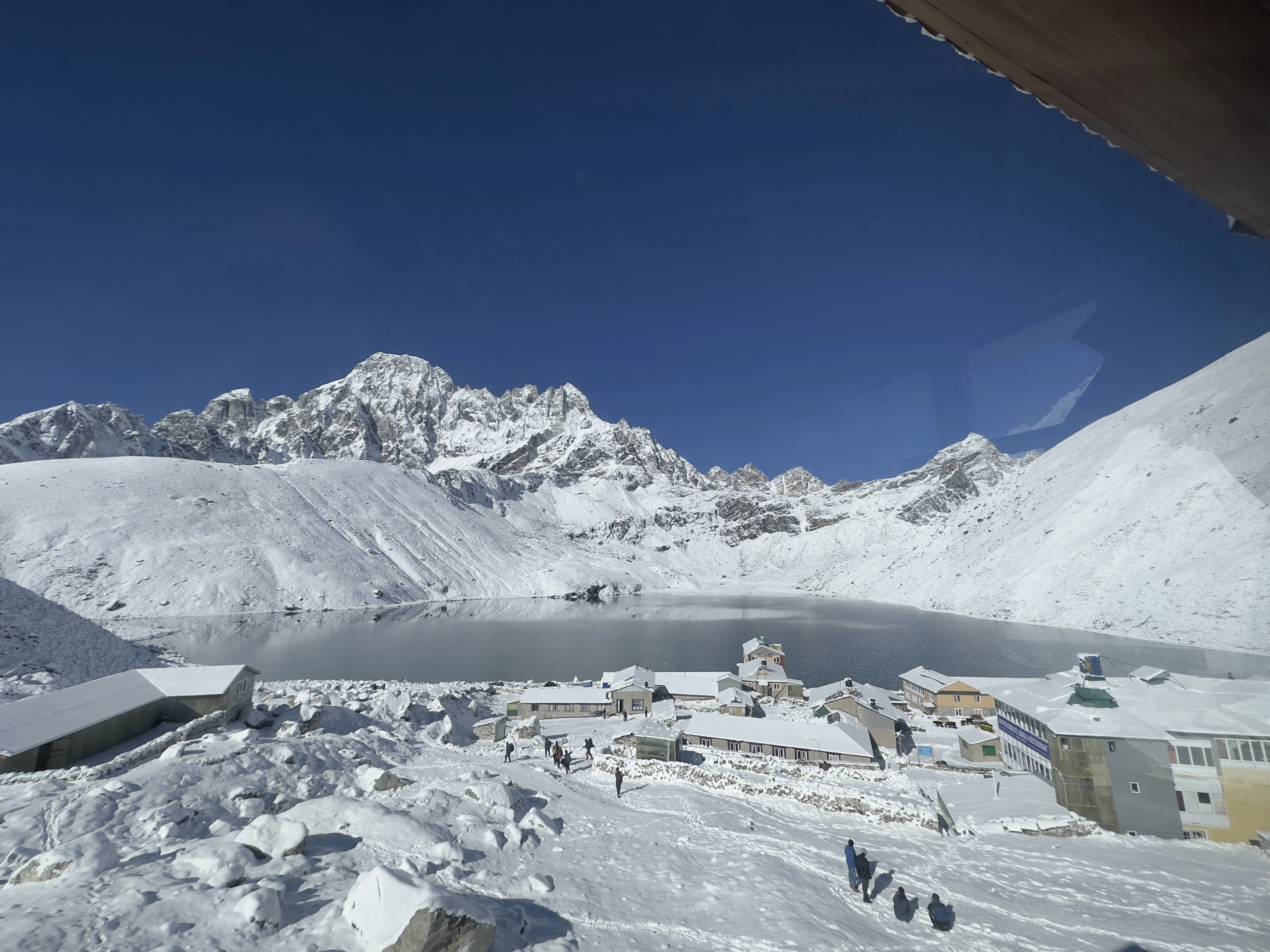
Cross the Ngozumpa Glacier, the largest glacier in Nepal, before arriving at the beautiful Gokyo Valley. The stunning turquoise lakes set against snow-capped mountains create one of the most memorable landscapes in the Everest region.
After enjoying morning views over the lakes and surrounding peaks, descend through Gokyo Valley. Pass yak pastures and traditional settlements while enjoying views of Cho Oyu and the surrounding Himalayan scenery before reaching Dole or Mong Danda.
Continue descending through beautiful forests and Sherpa villages. The trail gradually rejoins the main Everest route. Enjoy a comfortable evening in Namche Bazaar or Monjo after several days in the high mountains.
Your final trekking day follows the Dudh Koshi River through villages, suspension bridges, and forests before reaching Lukla. Celebrate the successful completion of your Himalayan adventure with your trekking crew.
Take an early morning flight back to Kathmandu. Upon arrival, transfer to your hotel and enjoy a free day for shopping, sightseeing, or relaxing after the trek.
Depending on your flight schedule, transfer to Tribhuvan International Airport for your onward journey. Depart Nepal with unforgettable memories of Everest Base Camp, Cho La Pass, and the beautiful Gokyo Lakes.
Let's customize this itinerary as per your time and budget, as you like.
Tick items off as you pack — your progress is saved on this device.
No gear matches that search. Try a different word.
Down jackets, sleeping bags and trekking poles can be hired or bought inexpensively in Kathmandu and Namche Bazaar — ask our team and we will arrange it before you set off.
We are a team of professionals who share a common devotion to the outdoors — government-licensed, altitude-trained, and with you from Lukla to the summit.
Our TeamMr. Gyaljen Sherpa was born and raised in the Everest region, and his Sherpa heritage gives him deep, lifelong knowledge of the mountains, local commu...
View Profile
Sikendar Chaudhary (CK) is a licensed professional trekking guide from Nepal with over 5 years of experience leading unforgettable adventures across t...
View Profile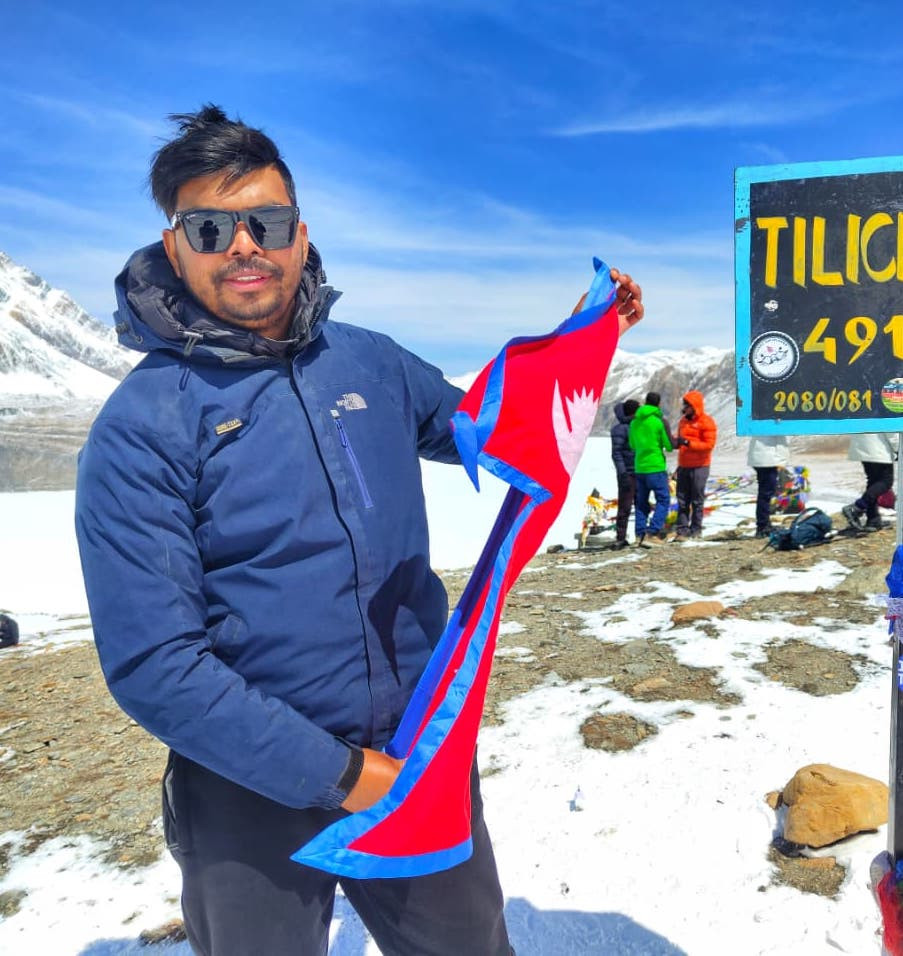
The Everest Base Camp Cho La Pass Gokyo Trek is an exciting Himalayan adventure that combines the classic Everest Base Camp route with the challenging Cho La Pass (5,420 m) and the breathtaking Gokyo Lakes. Along the way, you'll enjoy spectacular mountain scenery, visit traditional Sherpa villages, and experience a variety of landscapes, including glaciers, alpine lakes, and rugged mountain trails.
The trek is completed in 18 days, including trekking days, acclimatization stops, and visits to major attractions such as Everest Base Camp, Kala Patthar, and the Gokyo Lakes.
Yes. Compared to the standard Everest Base Camp Trek, this route is more demanding because it includes the high-altitude crossing of Cho La Pass. The trail can be steep, snowy, and icy, requiring additional endurance, but the rewarding mountain scenery makes the effort worthwhile.
The Gokyo Lakes are a collection of stunning turquoise glacial lakes surrounded by snow-covered Himalayan peaks. From Gokyo Ri, you'll enjoy panoramic views of Everest, Lhotse, Makalu, and Cho Oyu. The peaceful lakes provide a refreshing contrast to the rugged mountain landscape.
You'll need two permits:Sagarmatha National Park Entry Permit
Khumbu Pasang Lhamu Rural Municipality Permit
Yes. All required trekking permits are included in our package.
Permits can be issued in Kathmandu or at the national park entry points. If you book your trek with us, we'll handle all permit arrangements on your behalf.
Yes. Comprehensive travel insurance is mandatory and must include emergency helicopter evacuation as well as medical coverage.
Your insurance should cover medical expenses and emergency helicopter evacuation up to 5,550 meters, the highest altitude reached during the trek. Please confirm these benefits with your insurance provider before traveling.
Yes. All foreign nationals except Indian citizens require a Nepal visa. Most travelers can obtain one upon arrival at Tribhuvan International Airport or apply in advance through a Nepalese embassy.
Yes. Every trek includes an experienced, government-licensed trekking guide who will ensure your safety, lead the route, and provide information about local culture and the surrounding mountains.
Your guide manages the trek, shares local knowledge, and ensures a safe journey. Porters carry your luggage and assist with logistics, allowing you to trek comfortably with a lighter backpack.
No. Since April 2023, Nepal requires all foreign trekkers entering national parks and protected areas to be accompanied by a licensed guide.
Accommodation is in traditional teahouses throughout the trek. These mountain lodges provide meals, comfortable beds, and basic facilities such as showers and internet in some locations. Rooms are generally shared between two people.
Most teahouses provide electricity for charging electronic devices, usually for an extra fee. Wi-Fi is also available in many places, although connections become slower and less reliable at higher elevations.
Yes, many teahouses offer hot showers for an additional charge. However, hot water may be limited, especially at higher altitudes.
Meals include traditional Nepali favorites such as Dal Bhat along with Tibetan and Western dishes including noodles, pasta, soups, sandwiches, pancakes, burgers, and fried rice. Breakfast, lunch, and dinner are included during the trek.
Yes. Vegetarian and vegan meals can be arranged. Please let us know your dietary preferences before the trek begins.
Avoid drinking untreated water from taps, rivers, or streams. Carry water purification tablets or a filter. While bottled water is available, it becomes increasingly expensive higher up the trail and creates unnecessary plastic waste. Boiled or filtered water purchased at teahouses is the best alternative.
The ideal trekking seasons are March to May and September to November, when weather conditions are generally stable and mountain views are at their clearest.
Weather has a significant impact on crossing Cho La Pass. Snow, ice, and strong winds can make the trail more challenging, making it important to trek during favorable weather conditions.
Yes, but these seasons are more demanding. Winter brings freezing temperatures and snow, while the monsoon season often results in heavy rainfall, muddy trails, and occasional landslides.
The main concerns are altitude sickness, dehydration, and cold-related illnesses. Proper acclimatization, staying hydrated, and wearing suitable clothing greatly reduce these risks.
Ascend gradually, stay well hydrated, follow the planned acclimatization schedule, avoid alcohol, and listen to your guide's advice. If symptoms become serious, descend immediately to a lower altitude.
If a serious medical emergency occurs, we coordinate with your insurance provider to arrange helicopter evacuation when necessary. This is why insurance covering helicopter rescue is essential.
Essential items include insulated trekking boots, a warm down jacket, thermal clothing, gloves, a hat, a quality sleeping bag, trekking backpack, sunglasses, sunscreen, and a reliable water purification method. Refer to our equipment checklist for complete details.
Yes. Depending on trail conditions, crampons may be necessary when crossing Cho La Pass.
Yes. Trekking poles improve balance and reduce strain on your knees, especially on steep, rocky, or slippery sections of the trail.
Booking several months in advance is recommended, especially during the busy spring and autumn trekking seasons, to secure flights, accommodation, and guide availability.
A 10% deposit is required to confirm your booking. Payments can be made through our website, bank transfer, Wise, or Western Union. The remaining balance is payable after you arrive in Kathmandu, where cash payment is also accepted.
Yes. Please refer to our Terms and Conditions page for complete information regarding cancellations and refunds.
The trek begins in Lukla, which is reached by a domestic flight from Kathmandu or Manthali, depending on the season.
Weather-related flight delays and cancellations are common. If this happens, your guide will help rearrange your itinerary or book the next available flight. Helicopter transfers are also available as an alternative at an additional cost of approximately USD 550 per person.
Yes. You'll take a domestic flight to Lukla from Kathmandu or Manthali and return to Kathmandu after completing the trek via the same route.

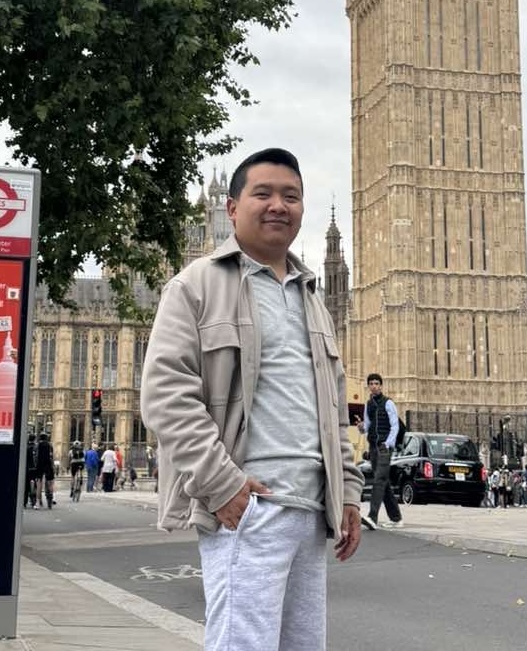
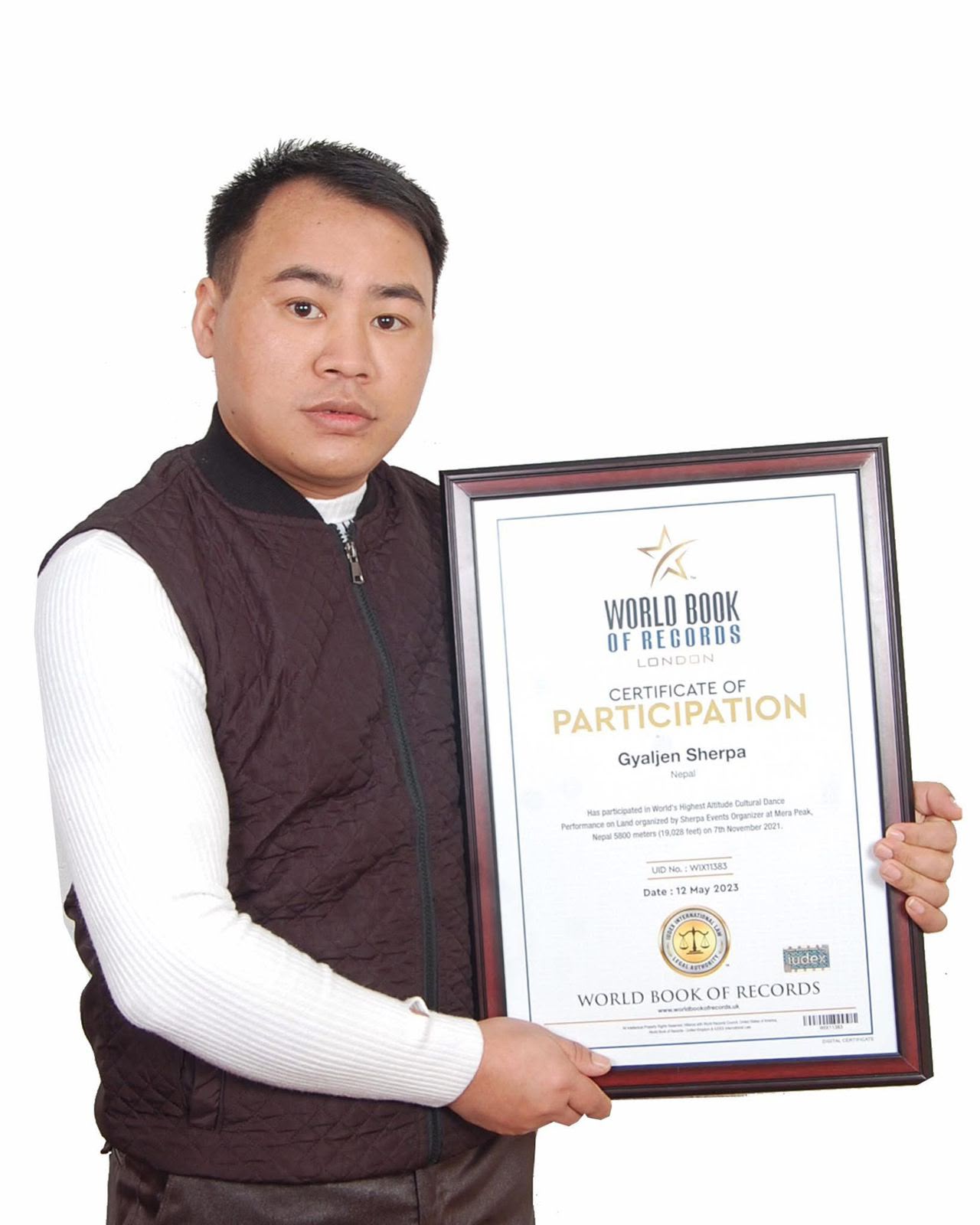


 UK Representative
  Nepal - Guide & Sales