
 Overview
 Itinerary
 Includes
 Map & Altitude
 Equipment
 Trip Info & FAQs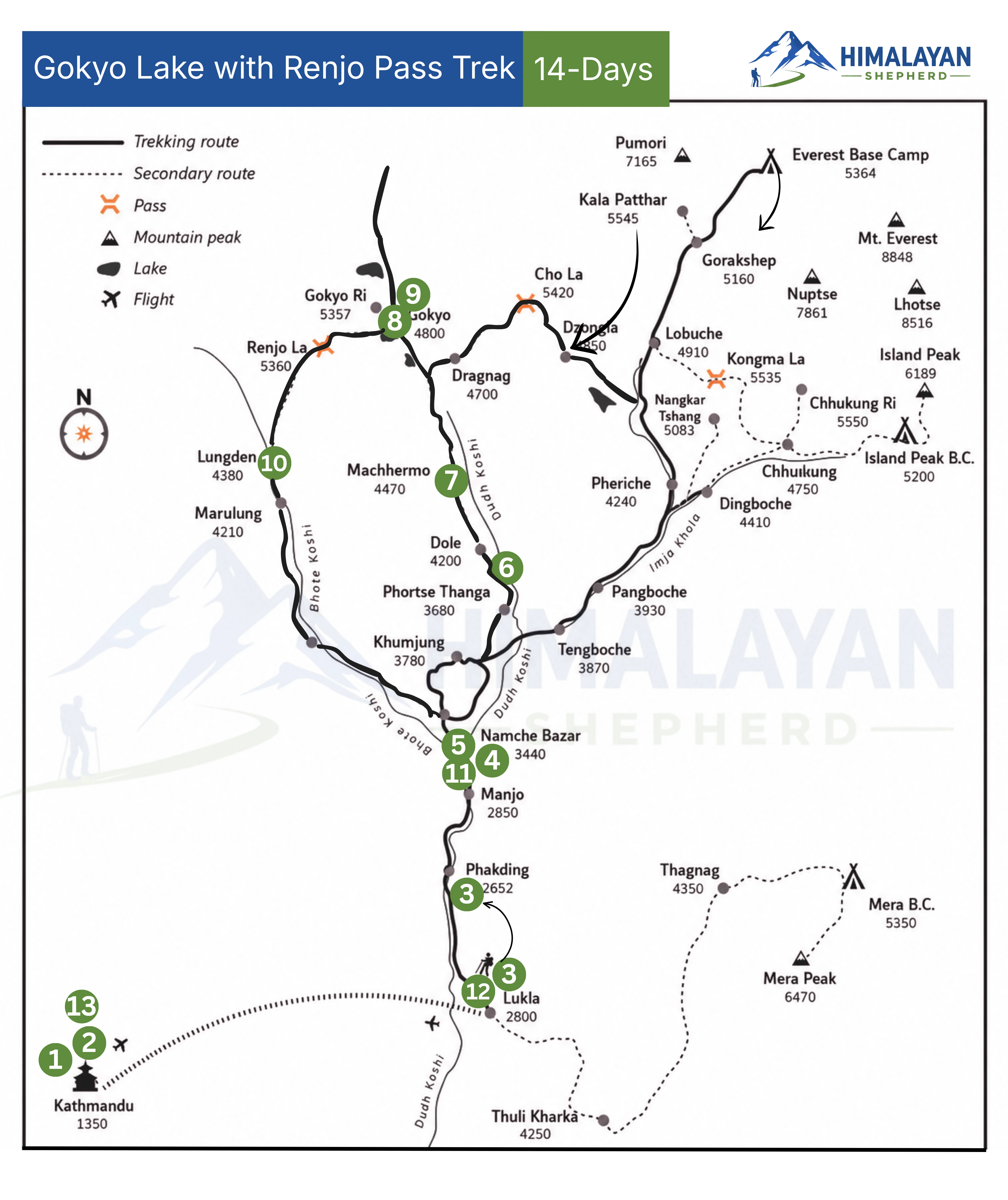
Mr. Gyaljen Sherpa
Mr. Gyaljen Sherpa was born and raised in the Everest region, and his Sherpa heritage gives him deep, lifelong knowledge of the mountains, local commu...
View Profile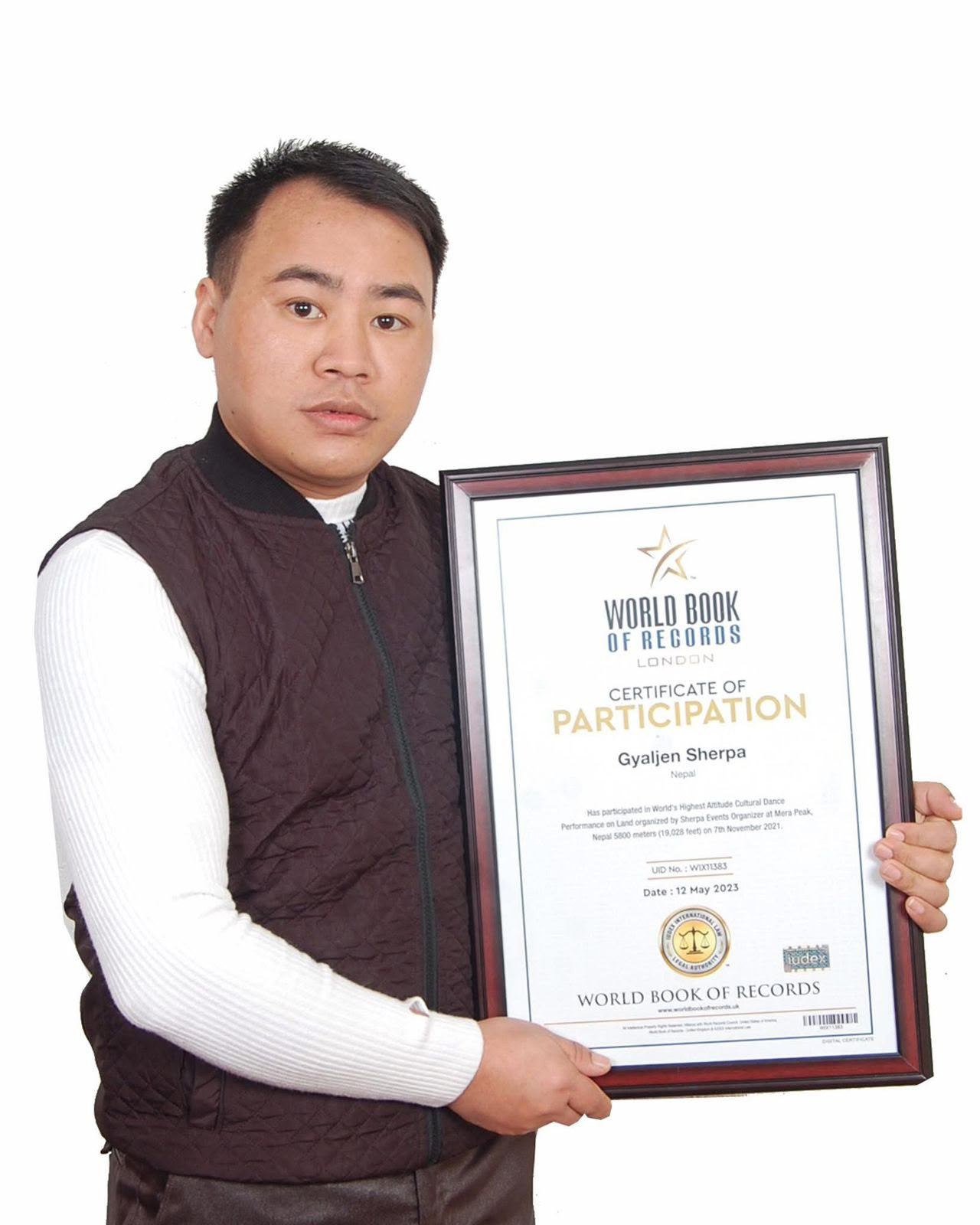
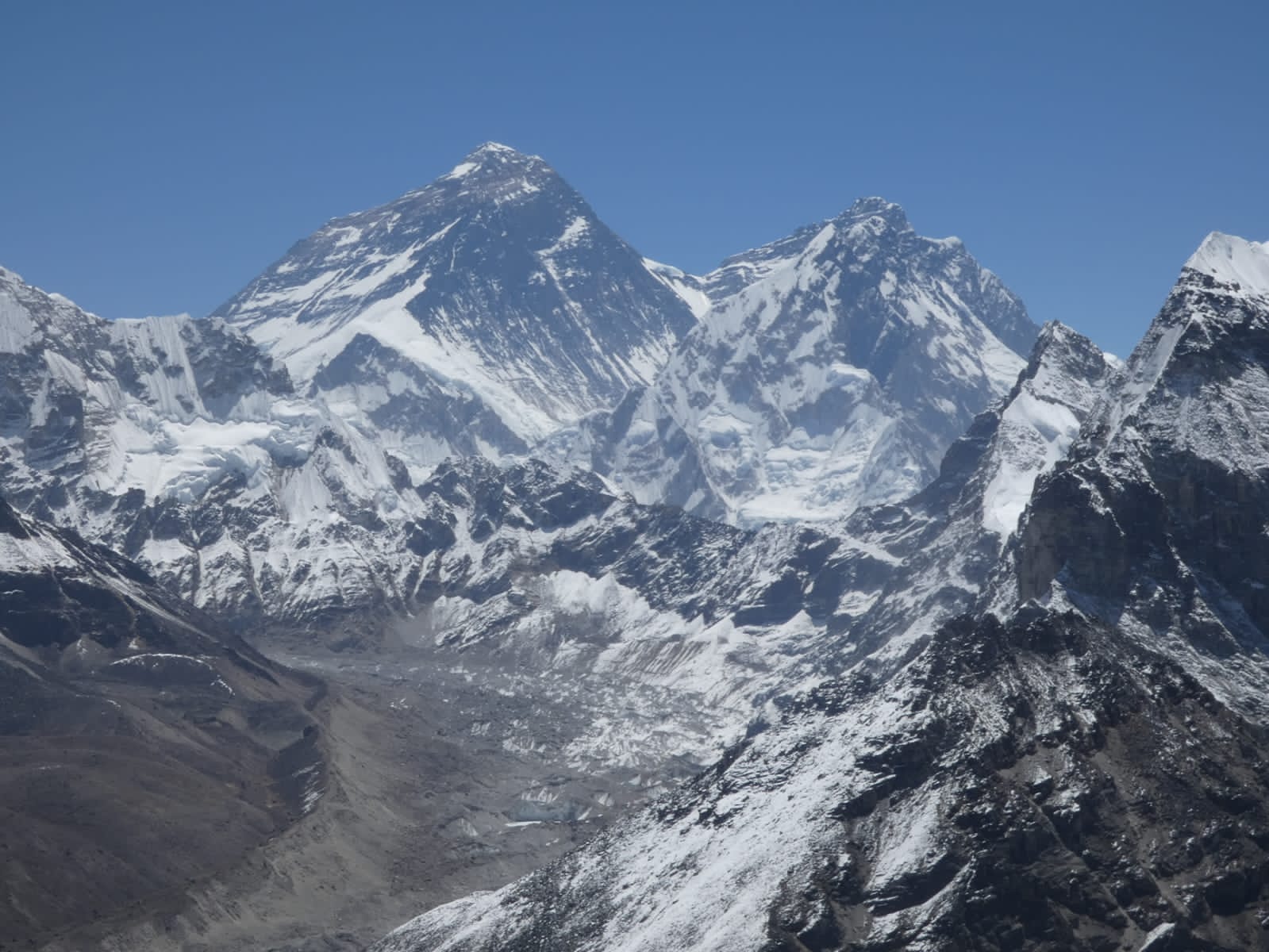
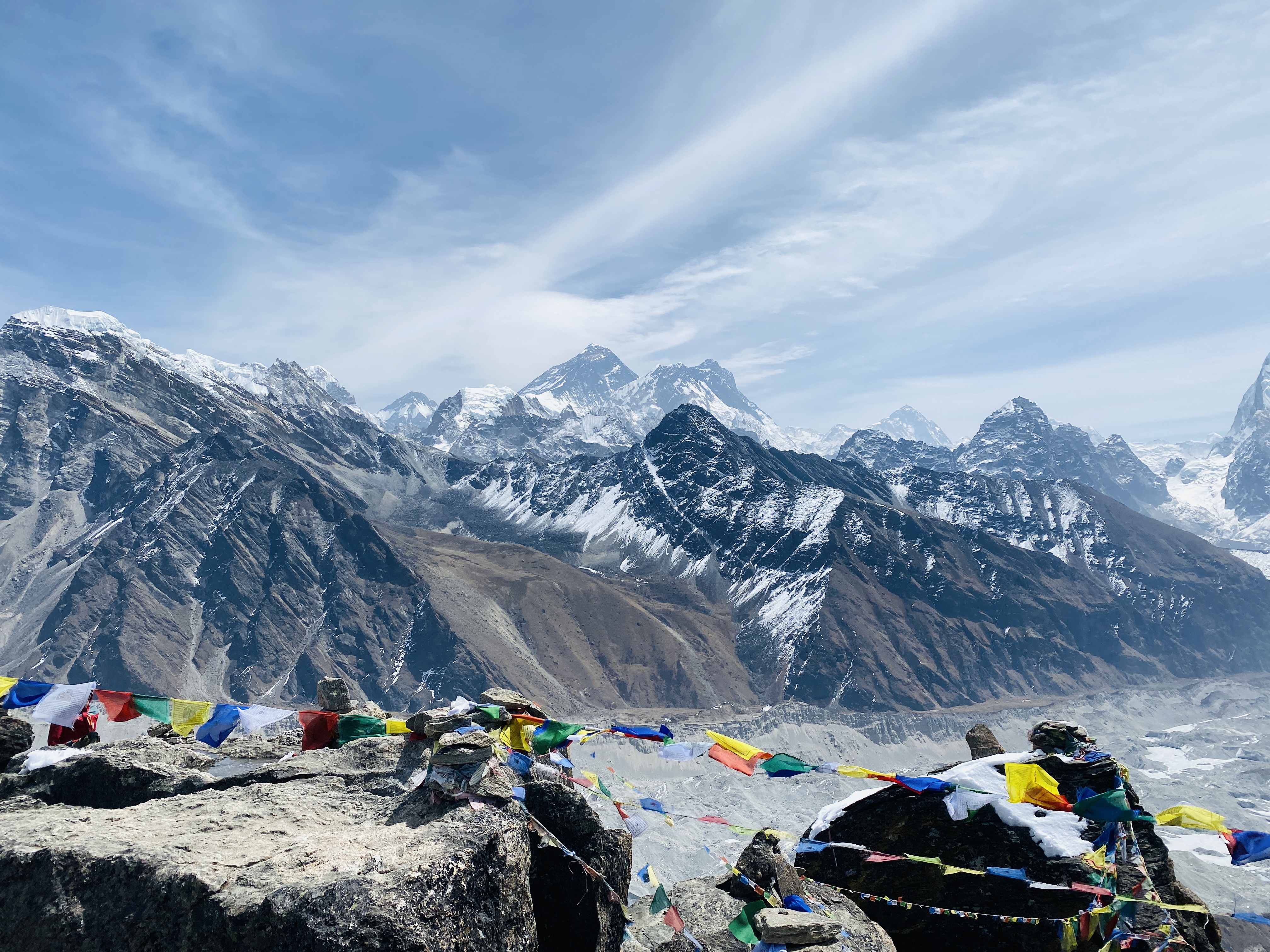








The Gokyo Lake with Renjo Pass Trek is one of the most scenic and less crowded trekking adventures in Nepal's Everest region. Instead of following the classic Everest Base Camp route, this trek takes you through the stunning Gokyo Valley, home to a series of turquoise glacial lakes, before crossing the spectacular Renjo La Pass (5,360 m / 17,585 ft).
The journey begins with a scenic mountain flight from Kathmandu to Lukla, followed by a trek through picturesque Sherpa villages, dense rhododendron and pine forests, suspension bridges, and the beautiful Sagarmatha National Park. Along the way, you'll spend time acclimatizing in Namche Bazaar, the vibrant gateway to the Everest region.
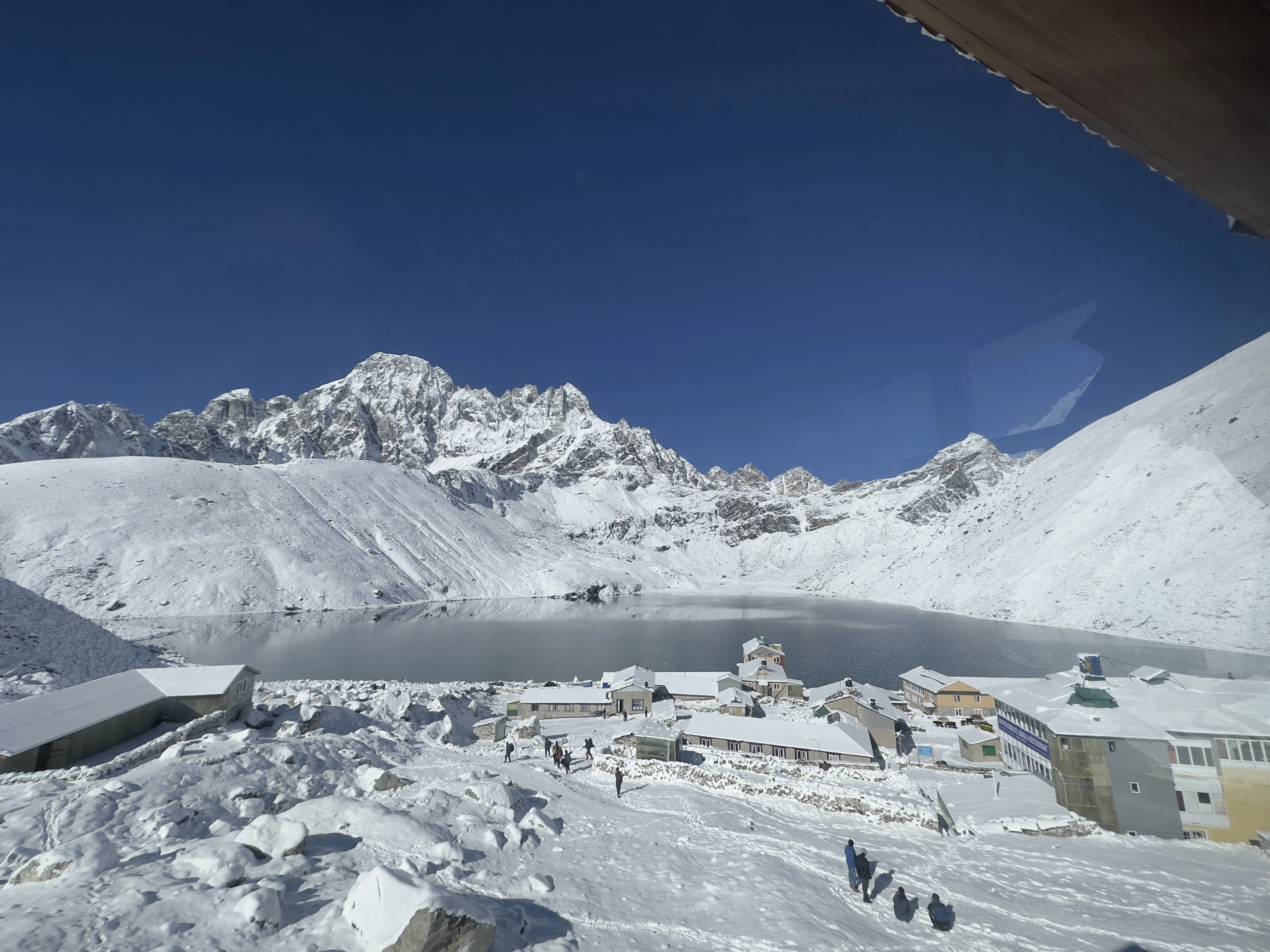
One of the major highlights is reaching Gokyo Lakes, considered among the world's highest freshwater lake systems. The crystal-clear lakes surrounded by snow-covered peaks create one of the most breathtaking landscapes in the Himalayas. During your acclimatization day, you can hike to Gokyo Ri (5,357 m) for panoramic views of Mount Everest, Cho Oyu, Lhotse, Makalu, and countless Himalayan peaks.
The adventure continues by crossing the challenging yet rewarding Renjo La Pass, offering dramatic views of Everest, Gokyo Lakes, Ngozumpa Glacier (Nepal's largest glacier), and the surrounding Himalayan ranges. After descending into the peaceful Bhote Koshi Valley, you'll return through traditional Sherpa villages before flying back to Kathmandu.
Ideal for trekkers seeking fewer crowds, spectacular mountain scenery, and a rewarding high-altitude pass, the Gokyo Lake with Renjo Pass Trek combines natural beauty, Sherpa culture, and Himalayan adventure into one unforgettable journey.
Upon your arrival at Tribhuvan International Airport, our airport representative will warmly welcome you and transfer you to your hotel in Kathmandu. After checking in, you'll have time to relax after your journey or explore the vibrant streets of Thamel. In the evening, meet your trekking guide for a comprehensive briefing about the Everest Three High Pass Trek, including the trekking route, altitude safety, weather conditions, equipment check, and final preparations for the adventure ahead
Today is dedicated to preparing for your Himalayan adventure. After breakfast, enjoy a guided sightseeing tour of Kathmandu's UNESCO World Heritage Sites, including Pashupatinath Temple, Boudhanath Stupa, and Swayambhunath (Monkey Temple). Later, return to Thamel to purchase or rent any remaining trekking gear. Your guide will conduct a final equipment inspection and answer any questions before the trek begins.
Early in the morning, you will take a spectacular mountain flight from Kathmandu to Lukla, one of the world's most famous mountain airports. During the flight, you'll enjoy breathtaking aerial views of the Himalayan range before landing in the heart of the Everest region.
After meeting the rest of the trekking crew and making final preparations, your trek begins on a gentle trail that descends through traditional Sherpa villages, stone-paved paths, and lush forests. You'll pass colorful prayer flags, mani stones carved with Buddhist prayers, and small monasteries while following the Dudh Koshi River. Crossing several suspension bridges and passing through villages such as Chheplung and Ghat, you'll reach the peaceful village of Phakding, where you'll spend your first night in a traditional mountain teahouse.
Today's journey follows the beautiful Dudh Koshi River through pine forests and charming mountain villages. The trail crosses several suspension bridges before entering Sagarmatha National Park, a UNESCO World Heritage Site and home to the world's highest mountains.
After completing the permit formalities at the park entrance, the trail begins a challenging uphill climb through dense forests. As you gain elevation, the surrounding mountain scenery becomes increasingly spectacular. On clear days, you'll catch your first glimpse of Mount Everest, an unforgettable moment for many trekkers.
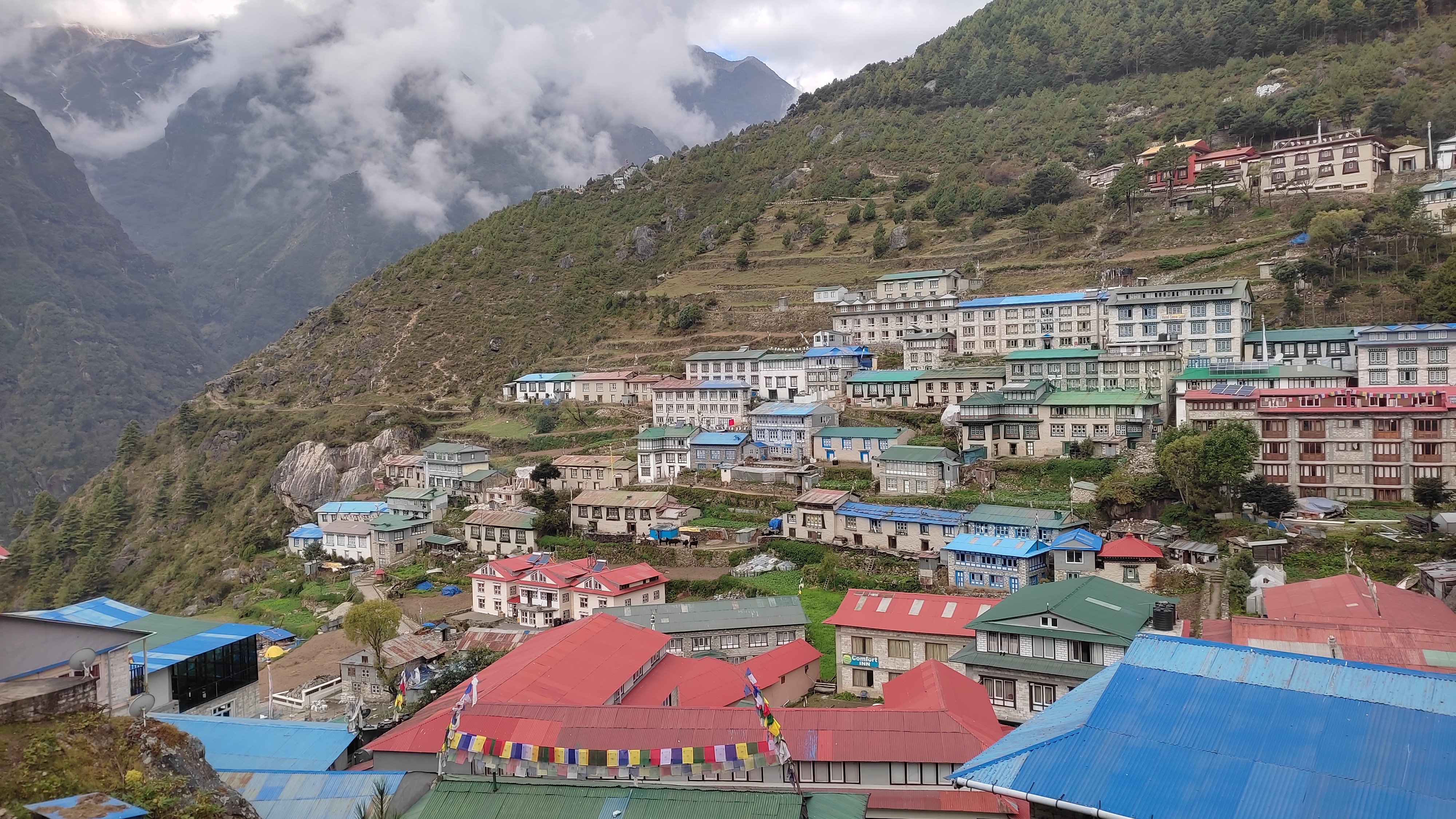
After several hours of climbing, you'll arrive at Namche Bazaar, the bustling commercial and cultural center of the Khumbu region. Surrounded by towering Himalayan peaks, Namche offers bakeries, cafés, shops, and stunning mountain views.
To help your body adjust to the increasing altitude, you'll spend an additional day in Namche Bazaar. Rather than remaining inactive, you'll take a short acclimatization hike to the famous Everest View Hotel, one of the highest luxury hotels in the world. Along the way, you'll enjoy breathtaking panoramic views of Mount Everest, Ama Dablam, Lhotse, Nuptse, and Thamserku.
After returning to Namche, you can visit the Sherpa Culture Museum to learn about the history, traditions, and mountaineering heritage of the Sherpa people. The afternoon is free to relax, enjoy local cafés, explore the marketplace, or simply prepare for the higher elevations ahead.
Leaving the main Everest Base Camp trail behind, today's route heads toward the quieter and more peaceful Gokyo Valley. The trail climbs gradually along the mountainside, offering magnificent views of Ama Dablam, Thamserku, Kangtega, and other surrounding peaks.
The path winds through rhododendron, juniper, and pine forests before descending to Phortse Thanga, a small settlement beside the river where trekkers often stop for lunch. After crossing the river, you'll continue climbing through forests and alpine vegetation toward Dole if weather and trekking conditions allow. The higher you climb, the more dramatic the landscape becomes, with fewer trees and wider mountain vistas.
Today's trail gradually ascends through open alpine landscapes, yak grazing pastures, and traditional Sherpa settlements. As the tree line disappears, the terrain becomes more rugged and offers uninterrupted views of towering Himalayan peaks.
Throughout the day, you'll enjoy magnificent views of Cho Oyu, the sixth-highest mountain in the world, along with Kantega and Thamserku. Passing small stone-built villages and prayer walls, you'll eventually arrive at Machhermo, a quiet mountain settlement situated beneath towering cliffs. The village is well known for its Himalayan Rescue Association center, where trekkers can learn more about altitude sickness and mountain safety.
The trail today is one of the most scenic sections of the entire trek. After leaving Machhermo, you'll gradually climb through rocky terrain alongside streams flowing from nearby glaciers. As you continue, you'll reach the first and second Gokyo Lakes, whose brilliant turquoise waters contrast beautifully against the surrounding snow-covered peaks.
The trail then follows the edge of the massive Ngozumpa Glacier, the largest glacier in Nepal, before reaching the third and largest Gokyo Lake beside the peaceful village of Gokyo. Surrounded by towering Himalayan peaks and crystal-clear glacial lakes, Gokyo offers one of the most spectacular settings in the Everest region. The remainder of the day can be spent relaxing beside the lake and enjoying the tranquil atmosphere.
Today is another important acclimatization day. Early in the morning, you'll hike to Gokyo Ri (5,357 m), one of the finest viewpoints in Nepal. The steady climb is rewarded with breathtaking panoramic views of Mount Everest, Cho Oyu, Lhotse, Makalu, Nuptse, Ama Dablam, and countless surrounding peaks. The summit also offers an incredible bird's-eye view of the entire Gokyo Lake system and the vast Ngozumpa Glacier stretching across the valley below.
After descending back to Gokyo Village, you can spend the afternoon resting or exploring the lakeshore. This additional day helps your body adjust to the altitude before crossing the high mountain pass the following day.
Today is the most challenging and rewarding day of the trek. You'll begin before sunrise, following a steep trail that climbs steadily toward Renjo La Pass. As you gain elevation, spectacular views of the surrounding mountains unfold with every step.
Upon reaching the summit of Renjo La Pass, you'll be rewarded with one of the most breathtaking panoramas in the Everest region. From the top, you'll enjoy magnificent views of Mount Everest, Lhotse, Makalu, Cho Oyu, the turquoise Gokyo Lakes, and the enormous Ngozumpa Glacier below. After spending time enjoying the scenery and taking photographs, you'll begin a careful descent over rocky trails into the peaceful Bhote Koshi Valley.
The landscape changes dramatically as you descend, eventually reaching the quiet village of Lungden, where you'll spend the night after an unforgettable day in the high Himalayas.
Leaving Lungden behind, you'll follow an ancient Himalayan trading route once used by merchants traveling between Nepal and Tibet. The trail gradually descends through remote Sherpa villages, yak pastures, and beautiful mountain landscapes while passing prayer wheels, mani walls, and traditional stone houses.
As you continue, you'll reconnect with the familiar trails leading back to Namche Bazaar. After several days in the quieter Gokyo Valley, returning to Namche offers a chance to enjoy comfortable cafés, bakeries, and local markets while celebrating the successful crossing of Renjo La Pass.
Today marks your final day of trekking. The trail descends through beautiful forests, crosses several suspension bridges over the Dudh Koshi River, and passes familiar Sherpa villages visited earlier in the trek. Although mostly downhill, there are still a few short uphill sections before reaching Lukla.
Upon arrival, you can relax and celebrate the successful completion of your Himalayan adventure with your guide, porter, and fellow trekkers while reflecting on the unforgettable memories created throughout the journey
After breakfast, you'll board an early morning flight back to Kathmandu. As the aircraft leaves the mountains behind, enjoy one final aerial view of the snow-capped Himalayas that have accompanied you throughout the trek.
Upon arrival in Kathmandu, you'll be transferred to your hotel. The rest of the day is yours to relax, enjoy a hot shower, shop for souvenirs, explore the city's cultural attractions, or simply unwind after completing your trekking adventure.
Your unforgettable journey in Nepal comes to an end today. Depending on your international flight schedule, our representative will transfer you to Tribhuvan International Airport for your departure. As you leave Nepal, you'll take home lasting memories of the turquoise Gokyo Lakes, the spectacular Renjo La Pass, the warm hospitality of the Sherpa people, and the incredible beauty of the Everest region. We hope to welcome you again for another Himalayan adventure.
Let's customize this itinerary as per your time and budget, as you like.
Tick items off as you pack — your progress is saved on this device.
No gear matches that search. Try a different word.
Down jackets, sleeping bags and trekking poles can be hired or bought inexpensively in Kathmandu and Namche Bazaar — ask our team and we will arrange it before you set off.
We are a team of professionals who share a common devotion to the outdoors — government-licensed, altitude-trained, and with you from Lukla to the summit.
Our TeamMr. Gyaljen Sherpa was born and raised in the Everest region, and his Sherpa heritage gives him deep, lifelong knowledge of the mountains, local commu...
View Profile
Sikendar Chaudhary (CK) is a licensed professional trekking guide from Nepal with over 5 years of experience leading unforgettable adventures across t...
View Profile
The Gokyo Lake Trek with Renjo Pass is a spectacular 14-day Himalayan adventure that takes you through the beautiful Gokyo Valley, across the scenic Renjo La Pass (5,360 m), and into the heart of the Everest region. The trek offers breathtaking mountain views, pristine glacial lakes, traditional Sherpa villages, and a quieter alternative to the classic Everest Base Camp route.
The trek typically takes 14 days, including acclimatization days and enough time to explore the Gokyo Lakes, Gokyo Ri, and Renjo La Pass while trekking at a comfortable pace.
The journey includes exploring the turquoise Gokyo Lakes, climbing Gokyo Ri for panoramic Himalayan views, crossing the scenic Renjo La Pass, visiting authentic Sherpa villages, and enjoying magnificent views of Everest, Lhotse, Makalu, Cho Oyu, and Ama Dablam.
Yes. Crossing Renjo La Pass makes this trek more demanding than the standard Gokyo Lake Trek. The high-altitude pass involves longer hiking days and steeper trails but rewards trekkers with incredible scenery.
You'll discover a series of beautiful turquoise glacial lakes surrounded by snow-covered mountains. The peaceful setting and panoramic viewpoints make Gokyo one of the most scenic destinations in the Everest region.
Renjo La Pass is considered moderately challenging. The trail includes steep climbs and descents, and weather conditions such as snow or ice can make the crossing more demanding.
You'll need a Sagarmatha National Park Entry Permit and a Khumbu Pasang Lhamu Rural Municipality Permit.
Yes. All required permits are included in our trekking package.
If you book with us, we handle all permit arrangements before your trek begins.
Yes. Comprehensive travel insurance covering emergency medical treatment and helicopter evacuation is mandatory.
Your insurance should cover medical expenses and helicopter evacuation up to 5,400 meters or higher, as the trek crosses Renjo La Pass at 5,360 meters.
Yes. Most foreign nationals require a Nepal tourist visa, which can usually be obtained upon arrival at Tribhuvan International Airport or through a Nepalese embassy.
Yes. Every trek includes a professional government-licensed trekking guide.
Your guide leads the route, monitors your safety and health, shares local knowledge, and assists with logistics throughout the journey.
No. Foreign trekkers must be accompanied by a licensed guide while trekking in Nepal's national parks and protected areas.
Yes. Porters can carry your main luggage, allowing you to trek comfortably with only a daypack.
You'll stay in comfortable mountain teahouses offering twin-sharing rooms, meals, and basic facilities throughout the trek.
Most teahouses provide electricity for charging devices, usually for a small additional fee.
Wi-Fi is available in many villages, although internet speed becomes slower at higher elevations.
You'll enjoy a variety of Nepali, Tibetan, and Western meals, including Dal Bhat, soups, noodles, pasta, rice dishes, pancakes, sandwiches, eggs, and potatoes.
Yes. Vegetarian and vegan options are available. Please let us know your dietary requirements before the trek.
Avoid untreated water from natural sources. Drink boiled, filtered, or purified water throughout the trek.
Yes. Most villages sell chocolates, biscuits, soft drinks, and energy snacks, although prices increase with altitude.
Spring (March-May) and autumn (September-November) provide the best weather, stable conditions, and excellent mountain views.
Snow, ice, and strong winds can make the pass more challenging, so trekking during favorable seasons is strongly recommended.
Yes. Winter trekking is possible but requires additional preparation due to colder temperatures and increased snowfall.
Altitude sickness, dehydration, cold exposure, and physical fatigue are the main concerns during this trek.
Walk at a steady pace, stay hydrated, follow the acclimatization schedule, avoid alcohol, and notify your guide immediately if symptoms develop.
Your guide will coordinate with your insurance provider to arrange emergency helicopter evacuation if necessary.
Essential equipment includes sturdy trekking boots, warm clothing, thermal layers, a down jacket, gloves, a sleeping bag, trekking poles, sunglasses, sunscreen, and a daypack.
Depending on weather conditions, microspikes or crampons may be useful when crossing snowy or icy sections of Renjo La Pass.
Yes. Trekking poles improve stability and reduce strain during steep ascents and descents.
A 30-40 liter backpack is ideal for carrying your daily essentials while your porter carries your main luggage.
The trek begins in Lukla, which is reached by a domestic flight from Kathmandu or Manthali, depending on the trekking season.
Yes. A flight to Lukla is required to start the trek, and you'll return by air after completing the journey.
Weather-related delays are common in the Everest region. Your guide will help adjust your itinerary or arrange the next available flight. Helicopter transfers can also be arranged at an additional cost.
Yes. A helicopter return to Kathmandu can be arranged upon request for an additional charge.
During the peak trekking seasons, many Lukla flights operate from Manthali Airport to reduce congestion and improve flight operations at Kathmandu Airport.



 UK Representative
  Nepal - Guide & Sales