
 Overview
 Itinerary
 Includes
 Map & Altitude
 Equipment
 Trip Info & FAQs
Mr. Gyaljen Sherpa
Mr. Gyaljen Sherpa was born and raised in the Everest region, and his Sherpa heritage gives him deep, lifelong knowledge of the mountains, local commu...
View Profile

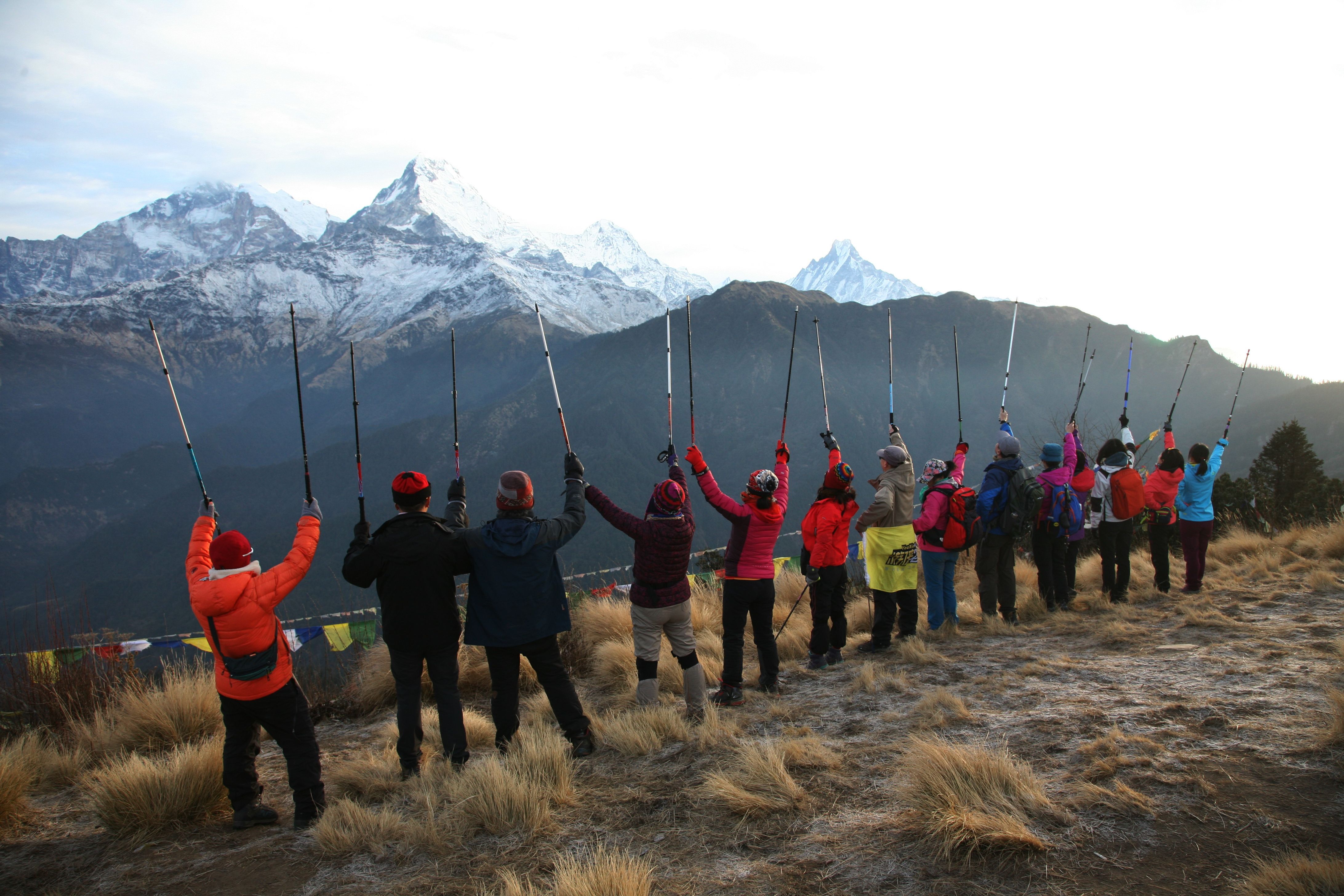
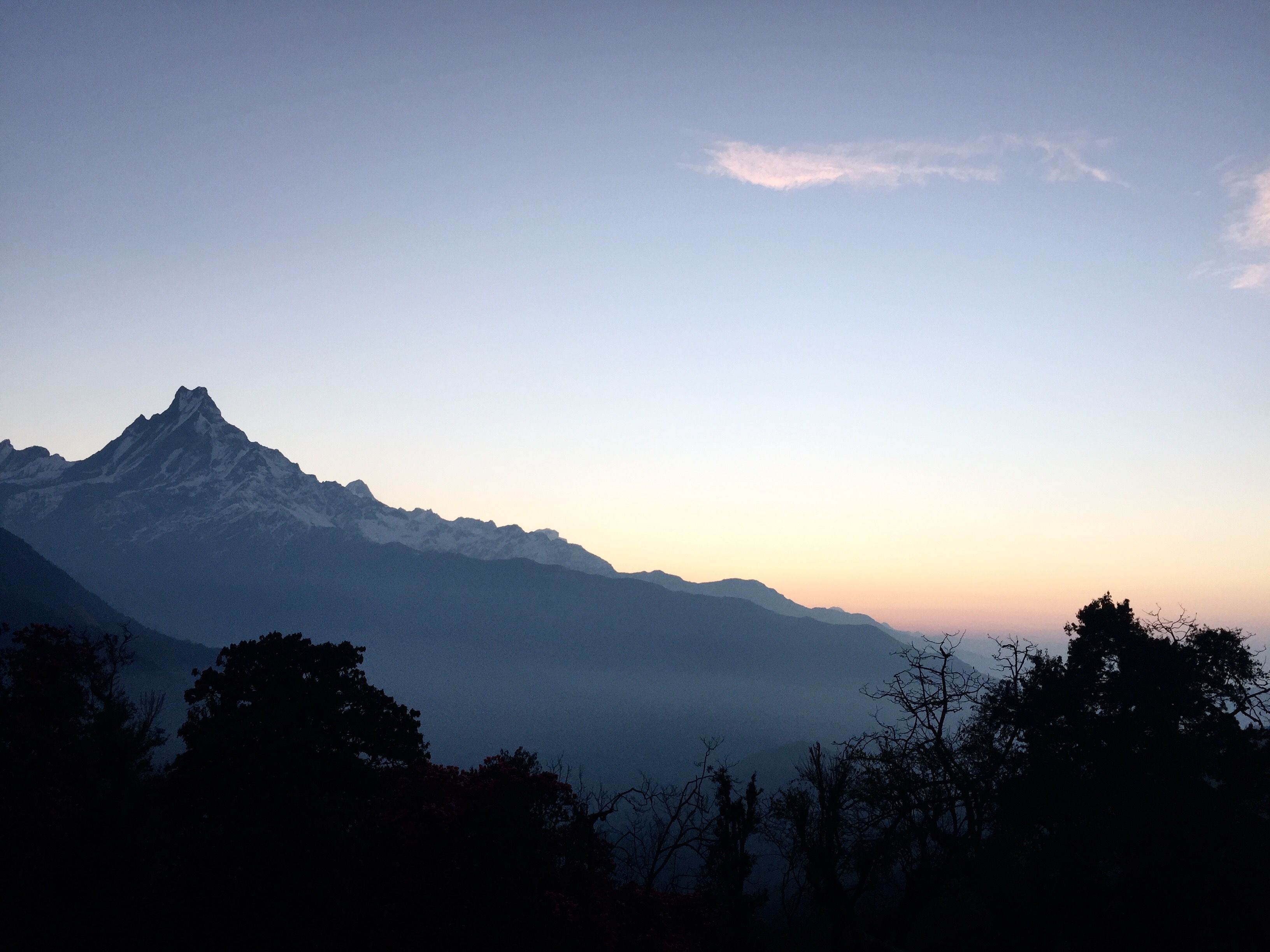









The Annapurna Circuit Trek with Ghorepani Poon Hill is one of Nepal's most complete trekking adventures, combining the legendary Annapurna Circuit with the breathtaking sunrise viewpoint of Poon Hill. This 17-day journey takes you through lush forests, deep river valleys, traditional Himalayan villages, high mountain deserts, sacred pilgrimage sites, and one of the world's highest trekking passes.
The adventure begins in Kathmandu, where you'll have time to prepare for the trek and explore the city's UNESCO World Heritage Sites before driving to the Annapurna region. The trail follows the Marsyangdi Valley through picturesque villages such as Dharapani, Chame, Upper Pisang, and Manang, where you'll experience the rich cultures of the Gurung, Manangi, and Thakali communities.
As the altitude increases, you'll spend an acclimatization day in Manang before continuing towards Yak Kharka and Thorong High Camp. The highlight of the trek is crossing the magnificent Thorong La Pass (5,416 m), offering unforgettable panoramic views of Annapurna, Dhaulagiri, Gangapurna, Tilicho Peak, and numerous surrounding Himalayan giants.
Descending from the pass, you'll arrive at the sacred temple town of Muktinath, one of the most important pilgrimage destinations for both Hindus and Buddhists. The journey then continues through the Kali Gandaki Valley to Jomsombefore driving to Tatopani, famous for its natural hot springs.
The final trekking section leads through beautiful rhododendron forests to Ghorepani, followed by an early morning hike to the iconic Poon Hill (3,210 m) for one of Nepal's most spectacular sunrise views. After descending through Ulleri, you'll drive to the lakeside city of Pokhara, enjoy a full day of sightseeing, and finally return to Kathmandu.
This trek perfectly blends high-altitude adventure, cultural discovery, natural beauty, and comfortable teahouse accommodation, making it one of the finest trekking experiences in the Himalayas.
Welcome to Nepal! Upon your arrival at Tribhuvan International Airport, our representative will greet you and transfer you to your hotel in Kathmandu. After checking in, you can relax after your journey or explore the lively streets of Thamel, famous for its trekking shops, cafés, restaurants, and local markets. In the evening, you'll meet your trekking guide for a detailed briefing about the Annapurna Circuit Trek with Ghorepani Poon Hill, where you'll review the itinerary, weather conditions, safety guidelines, and equipment checklist.
After breakfast, spend the morning making final preparations for the trek. Your guide will inspect your trekking gear and help you purchase or rent any missing equipment. Later, enjoy a guided sightseeing tour of Kathmandu's UNESCO World Heritage Sites. Visit the sacred Pashupatinath Temple, the peaceful Boudhanath Stupa, the hilltop Swayambhunath (Monkey Temple), and the historic Kathmandu Durbar Square. This cultural experience offers a wonderful introduction to Nepal's rich heritage before heading into the Himalayas.
Your adventure begins with an early morning drive from Kathmandu. The journey follows the Prithvi Highway alongside the Trishuli River before entering the beautiful Marsyangdi Valley. Along the way, enjoy views of terraced rice fields, rushing rivers, waterfalls, suspension bridges, and traditional hillside villages. As the road climbs higher into the Annapurna region, you'll begin to catch your first glimpses of snow-capped Himalayan peaks. After a full day of scenic driving, arrive at Dharapani, a charming mountain village that serves as one of the main gateways to the Annapurna Circuit.
Today marks your first full day of trekking. Leaving Dharapani behind, the trail follows the Marsyangdi River through dense forests of pine, oak, and fir. You'll cross several suspension bridges and pass small settlements where local people continue their traditional mountain lifestyle. As you gain altitude, spectacular views of Lamjung Himal and Annapurna II begin to appear. Arriving in Chame, the administrative centre of Manang District, you can relax while enjoying stunning views of Annapurna II towering above the village.
Today's trail passes through fragrant pine forests and narrow rocky valleys carved by the Marsyangdi River. One of the highlights is crossing a dramatic suspension bridge before reaching the famous Paungda Danda, an enormous curved rock face considered sacred by local people. As the valley widens, magnificent views of Annapurna II, Pisang Peak, and surrounding mountains dominate the skyline. Upper Pisang offers traditional stone houses, ancient monasteries, and beautiful Tibetan-style architecture.
Instead of taking the lower trail, today's route follows the scenic upper path through the traditional villages of Ghyaru and Ngawal. Although the climb is steeper, it rewards trekkers with breathtaking panoramic views of Annapurna II, Annapurna III, Gangapurna, Tilicho Peak, and Pisang Peak. Along the way, you'll pass ancient Buddhist monasteries, colourful prayer flags, chortens, and mani walls. Descending gently into the broad Manang Valley, you'll arrive in one of Nepal's most famous Himalayan villages, surrounded by towering snow-covered peaks.
Today is reserved for acclimatization, an essential part of safely preparing your body for higher elevations. Rather than resting completely, you'll take a short hike to higher viewpoints such as Gangapurna Lake, Chongkor Viewpoint, or Ice Lake before returning to Manang to sleep. These hikes provide spectacular views while helping your body adapt to the thinner mountain air. Spend the afternoon exploring Manang's bakeries, local museums, monasteries, or cafés while enjoying the relaxed atmosphere of this beautiful mountain village.
Leaving the tree line behind, today's trail enters a rugged alpine landscape where vegetation becomes sparse and mountain scenery grows increasingly dramatic. The path gradually climbs across open hillsides where blue sheep and Himalayan yaks are often seen grazing. As you continue towards Yak Kharka, enjoy uninterrupted views of Annapurna III, Gangapurna, and Chulu Peak. The slower pace helps your body continue acclimatizing for the upcoming high-altitude crossing.
Today's trek is shorter but involves a steady climb through rocky terrain toward Thorong Phedi before ascending to Thorong High Camp. The landscape becomes increasingly barren as you approach the base of Thorong La Pass. From High Camp, you'll enjoy incredible views of the surrounding Himalayan ranges while preparing for tomorrow's early morning summit attempt. Rest early and stay well hydrated in preparation for the most challenging day of the trek.
Today is the highlight of the entire journey. Before dawn, you'll begin the gradual ascent towards Thorong La Pass under the glow of the early morning sky. Reaching the colourful prayer flags at the summit is an unforgettable achievement, rewarded with breathtaking 360-degree views of Annapurna, Dhaulagiri, Nilgiri, and countless Himalayan peaks stretching into Tibet. After celebrating at the pass, begin the long descent through rocky mountain landscapes to the sacred pilgrimage site of Muktinath. The dramatic change in scenery—from snow-covered peaks to dry Mustang terrain—is one of the trek's most memorable experiences.
After breakfast, take time to explore the sacred temple complex of Muktinath, one of Nepal's most important pilgrimage destinations for both Hindus and Buddhists. The temple is famous for its 108 holy water spouts, where devotees take ritual baths, and the eternal natural flame that burns continuously inside a nearby shrine. Surrounded by spectacular mountain scenery, Muktinath offers a unique blend of spirituality and natural beauty.
After exploring the temple and nearby monasteries, begin a scenic trek towards Jomsom, following the Kali Gandaki River through the dramatic Mustang landscape. Along the way, you'll pass colourful cliffs, traditional Thakali villages, apple orchards, and wide river valleys shaped by strong Himalayan winds. Jomsom, the administrative headquarters of Mustang District, is well known for its apple products and stunning views of Nilgiri and Dhaulagiri. Spend the evening exploring the lively town and relaxing after several days of high-altitude trekking.
Leaving the dry alpine landscape of Mustang behind, today's scenic drive follows the Kali Gandaki Valley as you descend into greener surroundings. The route passes through traditional Thakali settlements, deep river gorges, waterfalls, suspension bridges, and terraced farmlands while offering magnificent views of Dhaulagiri and Nilgiri.
Upon reaching Tatopani, which literally means "hot water" in Nepali, you'll have the opportunity to relax in the village's famous natural hot springs. Many trekkers consider this one of the most enjoyable parts of the journey, as the warm mineral-rich water helps soothe tired muscles after crossing Thorong La Pass. Spend a peaceful evening enjoying the subtropical atmosphere that contrasts beautifully with the high alpine terrain visited just days before.
After breakfast, begin a steady ascent through beautiful forests of rhododendron, oak, and magnolia. During spring, the hillsides burst into colour with blooming rhododendrons, Nepal's national flower. The trail passes through charming Magar villages where you can observe traditional lifestyles and warm local hospitality.
As you climb higher, enjoy increasingly impressive views of Annapurna South, Hiunchuli, Nilgiri, and Dhaulagiri. The fresh mountain air, dense forests, and occasional wildlife sightings make today's trek one of the most scenic sections of the journey. By late afternoon, you'll arrive at Ghorepani, a picturesque mountain village nestled among rhododendron forests and one of Nepal's most popular trekking destinations.
Wake before sunrise for a memorable hike to Poon Hill, one of Nepal's most famous viewpoints. The short uphill climb is rewarded with an unforgettable sunrise over the Himalayas as the first golden rays illuminate the snow-covered peaks of Annapurna I, Annapurna South, Dhaulagiri, Machhapuchhre (Fishtail), Hiunchuli, Nilgiri, and Tukuche Peak. This breathtaking panorama is considered one of the finest mountain views in Nepal.
After spending time taking photographs and enjoying the spectacular scenery, return to Ghorepani for breakfast before beginning the descent through beautiful forests and stone staircases to Ulleri. From Ulleri, drive to the lakeside city of Pokhara, where you can relax after completing your trekking adventure. Spend the evening walking along the shores of Phewa Lake, enjoying cafés, restaurants, and the peaceful atmosphere.
Today is dedicated to exploring the natural and cultural attractions of Pokhara, Nepal's adventure capital. Begin your sightseeing with a peaceful boat ride on Phewa Lake, where you'll visit the famous Tal Barahi Temple situated on a small island.
Continue to Davis Falls, a unique underground waterfall, before visiting the nearby Gupteshwor Mahadev Cave, home to one of Nepal's revered Shiva shrines. Later, visit the World Peace Pagoda, which offers panoramic views of Pokhara Valley, Phewa Lake, and the Annapurna range. Depending on your interests, you may also visit the International Mountain Museum, showcasing Nepal's mountaineering history, or the Bindhyabasini Temple, one of Pokhara's oldest religious sites.
The evening is free to enjoy Pokhara's vibrant Lakeside area, where you can shop for souvenirs, dine at local restaurants, or simply relax by the lake while reflecting on your Himalayan adventure.
After breakfast, begin the scenic drive back to Kathmandu along the Prithvi Highway. The route follows winding rivers, lush hills, terraced farmlands, and traditional villages, providing one last opportunity to admire Nepal's beautiful countryside.
Upon arrival in Kathmandu, you'll be transferred to your hotel. The remainder of the day is free for shopping, exploring local markets, or enjoying a farewell dinner with your trekking team. This is the perfect time to celebrate the successful completion of your Annapurna Circuit Trek with Ghorepani Poon Hill and reflect on the unforgettable memories made throughout your Himalayan journey.
Your unforgettable journey through the Annapurna region comes to an end today. After breakfast, depending on your flight schedule, you'll have some free time to relax at the hotel, enjoy a final walk around Kathmandu, or do some last-minute shopping for souvenirs such as handmade crafts, pashmina shawls, singing bowls, or trekking gear.
At the designated time, our representative will transfer you to Tribhuvan International Airport (TIA) for your onward flight. As you leave Nepal, you'll take with you unforgettable memories of crossing the mighty Thorong La Pass, witnessing the breathtaking sunrise from Poon Hill, experiencing the warm hospitality of the Himalayan people, exploring ancient mountain villages, and trekking through some of the world's most spectacular landscapes.
Let's customize this itinerary as per your time and budget, as you like.
Tick items off as you pack — your progress is saved on this device.
No gear matches that search. Try a different word.
Down jackets, sleeping bags and trekking poles can be hired or bought inexpensively in Kathmandu and Namche Bazaar — ask our team and we will arrange it before you set off.
We are a team of professionals who share a common devotion to the outdoors — government-licensed, altitude-trained, and with you from Lukla to the summit.
Our TeamMr. Gyaljen Sherpa was born and raised in the Everest region, and his Sherpa heritage gives him deep, lifelong knowledge of the mountains, local commu...
View Profile
Sikendar Chaudhary (CK) is a licensed professional trekking guide from Nepal with over 5 years of experience leading unforgettable adventures across t...
View Profile
It is considered challenging due to the high altitude and long trekking days, especially while crossing Thorong La Pass.
Previous trekking experience is helpful but not mandatory. Good physical fitness and proper preparation are highly recommended.
Most villages provide Wi-Fi for a small fee, and mobile coverage is available in many areas, although connections become weaker at higher elevations.
Thorong La Pass (5,416 metres).
The best seasons are:
No, there is no fixed age limit for the Annapurna Circuit Trek. You can join if you are physically fit for long walking days and high-altitude ascents to Thorong La Pass. We recommend it for people above the age of 10 who are in good health and comfortable with 4–6 hours of daily walking.
Yes, we offer fully customizable itineraries according to your trekking dates, duration, interests, and fitness level. You can adjust the number of trekking days, add rest or acclimatization days, and include side trips such as a trek to Tilicho Lake or a hike to Ice Lake.
Major highlights on the Annapurna Circuit include Manang Valley, Thorong La Pass, Muktinath, Marpha, and Kali Gandaki Valley. Throughout the route, you also get panoramic views of Annapurna, Dhaulagiri, Nilgiri, Machhapuchhre, and Chulu peaks. You should not miss the famous sunrise view from Poon Hill and the natural hot springs at Tatopani.
The trek is moderately to highly challenging due to long walking days, altitude gain, and steep paths. The main difficulty comes from sustained ascending above 3,000 m and crossing the Thorong La Pass.
Accommodation on the Annapurna Circuit Trek is mainly in family-run teahouses and mountain lodges. You will stay in simple but clean twin-sharing rooms with basic bedding. Facilities become more limited at higher altitudes, and bathrooms are usually shared.
Yes, most teahouses offer charging facilities for mobile phones and cameras. You may need to pay an additional fee of $2–$5 USD per use, especially at higher elevations where electricity is limited. Charging is usually available in dining areas with two-pin plugs, so you should carry a universal adapter.
Yes, hot showers are available in teahouses in lower or mid-altitude regions, usually gas- or solar-heated. At higher elevations, you will only find bucket showers due to cold temperatures and limited water supply. All shower services cost around $2–$5 USD, depending on altitude.
No, teahouse rooms do not have heaters or air conditioning. However, you can stay warm in the communal dining halls, which are usually heated with wood or yak-dung stoves during the evenings.
Yes. Since the trek reaches over 5,400 metres, proper acclimatization, hydration, and gradual ascent are essential.
You can prevent altitude sickness by ascending slowly, staying well hydrated, and maintaining a steady trekking pace. You should avoid alcohol and allow your body enough time to adjust during the trek. We also include acclimatization days (Manang) in the itinerary to help adjust to altitude, and our guides continuously monitor your oxygen levels.
No mandatory medical tests are required for the Annapurna Circuit trek. However, we recommend a basic medical checkup before the trek, especially for cardiovascular and respiratory health. If you have asthma, high blood pressure, or any heart-related conditions, consult your doctor before joining.
Yes, the Annapurna Circuit is considered safe when trekked with proper preparation and guidance. The main risks come from altitude, weather changes, and physical fatigue rather than security issues. With experienced guides, planned acclimatization, and monitored pacing, the trek is safely completed by thousands of trekkers each year.
Dangerous wildlife encounters are rare on the Annapurna Circuit route. Most of the trails pass through established villages, managed conservation areas, and well-used or marked trekking routes. You may occasionally see mountain goats, yaks, or birds, but there are no significant wildlife threats during the day.
You will need:
You can obtain permits online or from the Kathmandu office of the Nepal Tourism Board. If you trek with Himalayan Shepherd, we arrange all required permits before the trek begins. You do not need to handle any paperwork or visit government offices, as our team processes everything on your behalf.
As of April 2023, the TIMS card is generally not required for trekkers travelling with a licensed guide or through a registered trekking company on the standard Annapurna Circuit Trek.
Yes, according to the Nepal government rule introduced in April 2023, foreign trekkers are required to hire a licensed guide through a registered trekking agency for the Annapurna Circuit Trek.
Our guides are government-licensed, highly experienced, and trained in high-altitude trekking operations. They have strong knowledge of the Annapurna region, weather conditions, altitude sickness management, emergency response, and trekking routes.
You can book a private guide by booking any date directly on our website or contacting us through email. We assign guides based on your group size, language preference, and trekking schedule to ensure a personalized experience.
The weight limit for a porter is 20 kg. One porter carries only one duffel bag/rusksak shared between two trekkers.
Yes, we provide free luggage storage at our Kathmandu office for all trekking clients. Your non-essential items are safely tagged and stored in a secure locker room until you return from your trek.
You must have comprehensive travel insurance that specifically covers high-altitude trekking up to at least 5,500 m. Because of the remoteness of the region and the Thorong La Pass crossing at 5.416 meters, your policy should include:
You can obtain a Nepal tourist visa on arrival at Tribhuvan International Airport in Kathmandu or at designated land border entry points. It requires a valid passport, payment of the visa fee, and a completed application form.
We recommend filling out the online visa application form at least two weeks before your arrival to avoid long queues at the airport. Please check the Nepal Immigration website to confirm whether your country is eligible for a visa on arrival.
Three Visa validity options are available in Nepal.
You can choose the duration based on your travel needs and the length of your stay. If you wish to extend your stay, the visa can be extended at the Department of Immigration in Kathmandu before your current visa expires.
Teahouses serve simple Nepali, Tibetan, and basic Western meals. Dal Bhat is the most common and filling option, often with refills.
You may also find:
At higher altitudes, you can find a more limited menu variety due to supply challenges.
Local cuisine varies slightly across Gurung, Manangi, and Thakali communities along the route. You can try a variety of local dishes depending on the village you are in:
No, untreated tap water, along with spring or river water, is not safe for drinking. We recommend boiled water, filtered water, or water treated with purification tablets or UV systems. Bottled water is available in villages but becomes more expensive at higher altitudes and also increases plastic waste in the region.
Temperatures drop sharply as you gain altitude on the Annapurna Circuit. In places like Manang, Thorong Phedi, and Thorong La Pass (5,416 m), nighttime temperatures can fall to around -10°C to -20°C depending on the season. Wind chill at the pass can make it feel even colder, especially during early morning crossings.
The best seasons are:
Yes, winter trekking (December to February) is possible but more challenging. Thorong La Pass may be affected by heavy snowfall, and temperatures remain very cold at higher elevations, especially at night. The trail is quieter, but if you still want to trek, you should be fully prepared for cold conditions, possible delays, and route changes due to snow.
Trekking poles are highly recommended, especially for the steep ascent to Thorang la Pass(5,416 m) and the long descent down to Muktinath temple. Crampons or microspikes may be necessary if there is heavy snowfall or icy trail conditions in winter or after fresh snow. Your guide will advise if any additional equipment is needed based on current trail conditions.
Kathmandu, especially the Thamel area, has many trekking shops where you can rent or purchase quality equipment before your trek begins. You can find everything you need, including sleeping bags, down jackets, trekking poles, gaiters, and other essential trekking gear. If you need, we can help you choose a reliable shop with good-quality equipment and fair prices.
Your daypack should contain a water bottle (1-2 liters), snacks, a waterproof jacket, warm layers, gloves, a hat, sunglasses, sunscreen, a camera, personal medications, basic toiletries, a headlamp, important documents, and any valuables. Keep your daypack light while ensuring you have everything you'll need during the day's walk.
To confirm your booking, simply complete our online booking form and pay the 10% deposit. You can pay the remaining balance before the trek begins using the payment methods specified during the booking process. Once your booking is confirmed, we'll send all the necessary trip details and preparation information.
We recommend carrying around $20–$40 USD per day for personal expenses such as drinks, snacks, Wi-Fi, hot showers, charging electronic devices, laundry, and other optional purchases. Actual spending varies depending on your preferences.


 UK Representative
  Nepal - Guide & Sales