
 Overview
 Itinerary
 Includes
 Equipment
 Trip Info & FAQs
Mr. Gyaljen Sherpa
Mr. Gyaljen Sherpa was born and raised in the Everest region, and his Sherpa heritage gives him deep, lifelong knowledge of the mountains, local commu...
View Profile
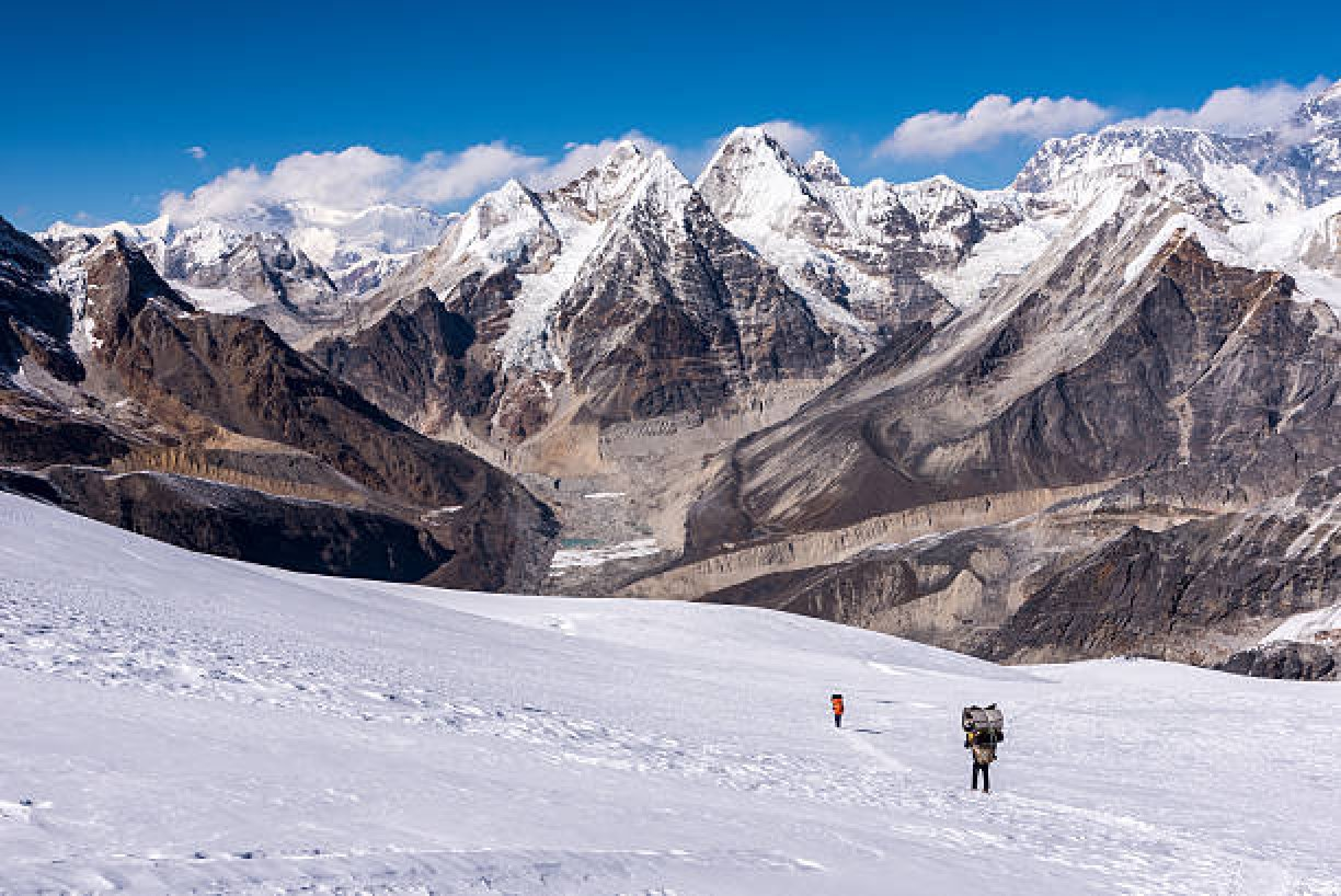
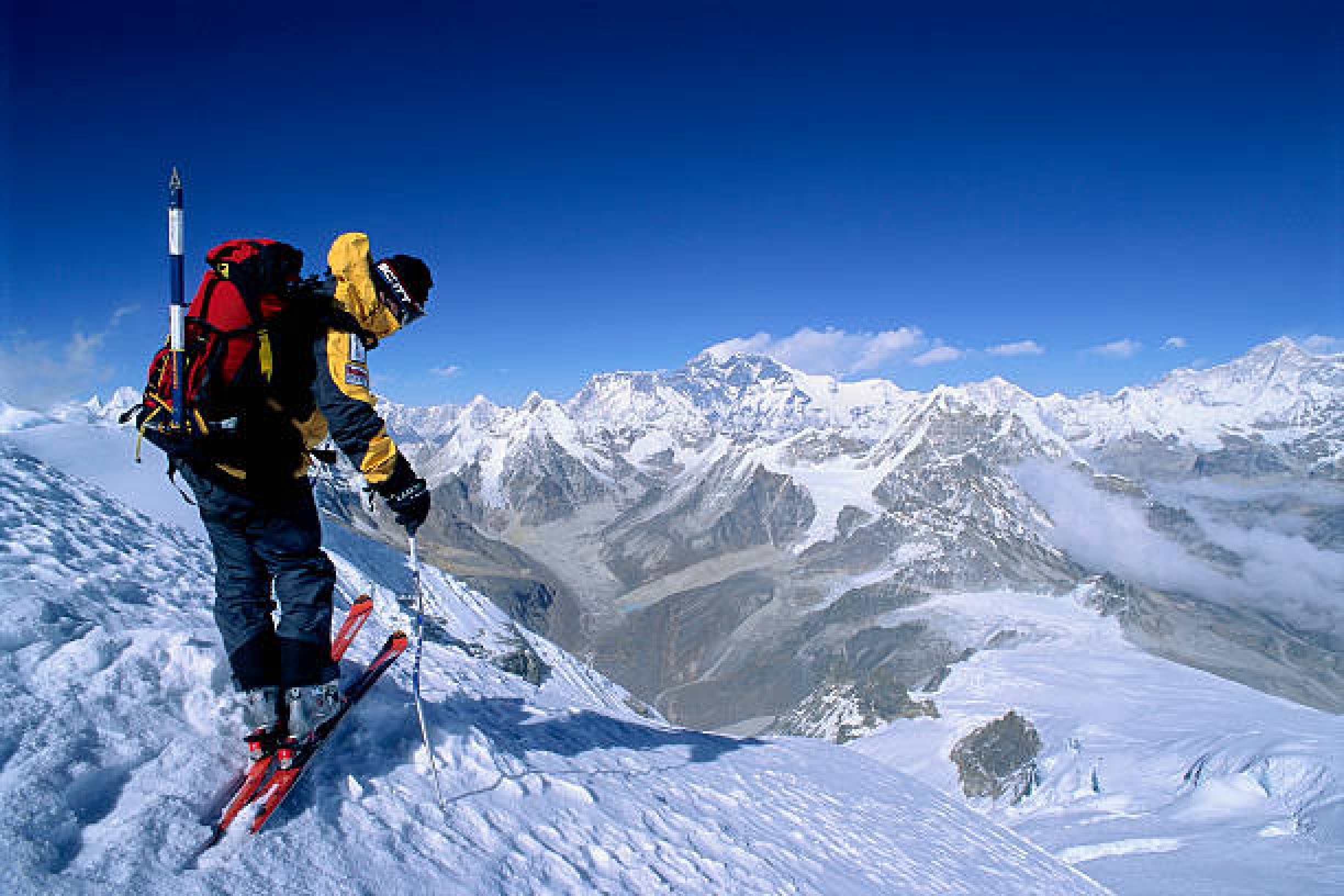

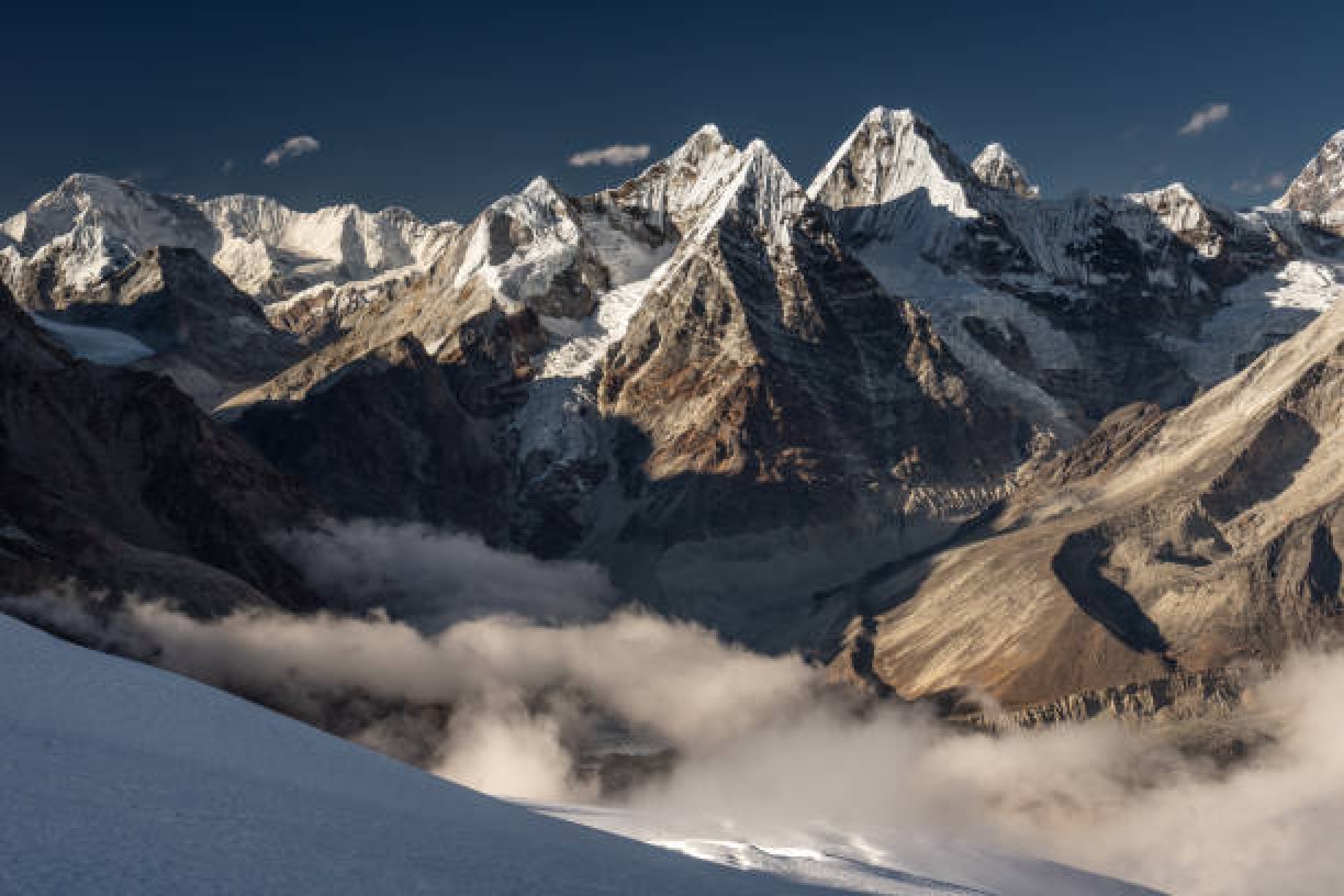
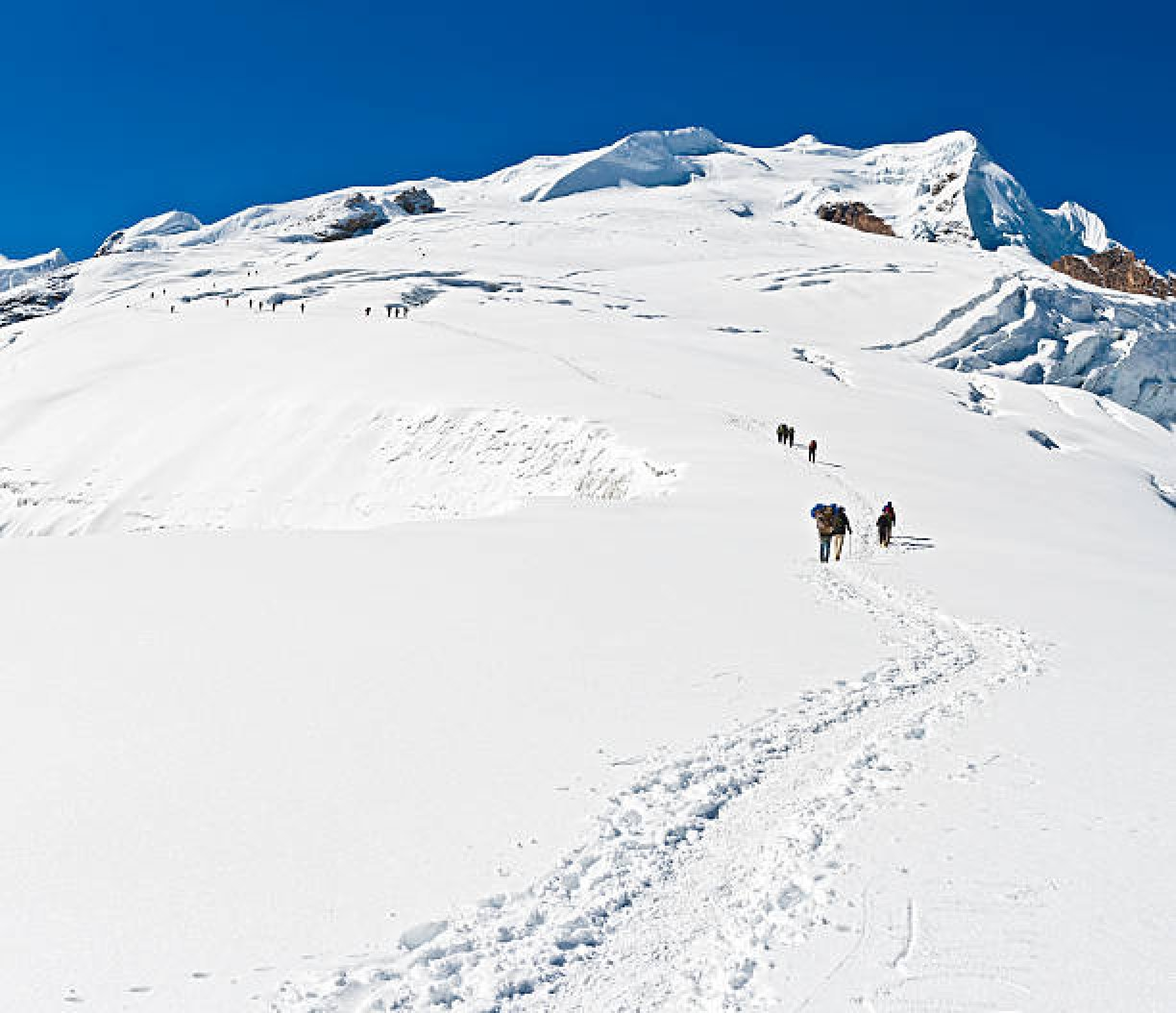








Mera Peak Climbing is an exhilarating Himalayan adventure that combines remote wilderness trekking, high-altitude acclimatization, glacier travel, and the rewarding challenge of reaching the summit of Mera Peak at 6,476 meters (21,247 feet). Located in Nepal's Mahalangur Himalayan range, Mera Peak is one of the country's most popular trekking peaks and offers an excellent opportunity for adventure seekers looking to experience their first 6,000-meter Himalayan summit.
The 18-day journey begins in Kathmandu with sightseeing, final preparation, and equipment checks before taking a scenic flight to Lukla. From Lukla, the route follows the less-traveled and beautiful Paiya–Panggom–Ningsow–Chhetra Khola trail before joining the Hinku Valley at Kothe. This remote approach provides a peaceful wilderness experience, with dense rhododendron and pine forests, traditional mountain settlements, rushing rivers, dramatic valleys, and spectacular Himalayan scenery.
As the trail gradually gains elevation, you continue through Kothe and Thangnak before reaching Khare at 5,000 meters. Khare serves as the main acclimatization and climbing-training point, where you will prepare for the technical section of the expedition. After a dedicated acclimatization and pre-climb training day, the route continues across glaciated terrain toward Mera High Camp at approximately 5,800 meters.
The summit day is the highlight of the expedition. Starting in the early hours of the morning, you ascend through snow and glacier terrain toward the summit of Mera Peak. With favorable weather, good mountain conditions, and proper acclimatization, you will reach the summit at 6,461 meters, where you can enjoy breathtaking panoramic views of some of the world's highest mountains, including Mount Everest, Lhotse, Makalu, Baruntse and Chamlang.
A dedicated reserve day is included in the itinerary to provide flexibility in case weather or mountain conditions prevent a successful summit attempt on the planned day. After the summit and descent to Khare, the journey returns through Kothe and Thuli Kharka before crossing the Zatrwa La Pass and reaching Lukla. The adventure concludes with a scenic flight back to Kathmandu and final departure on Day 18.
This carefully designed 18-day itinerary combines a remote trekking experience with essential acclimatization, practical climbing training and a flexible summit plan, making it an ideal choice for trekkers seeking a challenging and memorable Himalayan peak-climbing experience.
Upon arrival at Tribhuvan International Airport in Kathmandu, you will be warmly welcomed by our representative and transferred to your hotel. After check-in, you will have time to rest and recover from your journey. Later, you will meet your climbing guide and receive an initial briefing about the Mera Peak expedition, including the trekking route, climbing requirements, safety procedures, and necessary equipment. In the evening, you can enjoy a welcome dinner and prepare for the exciting Himalayan adventure ahead.
 Accommodation:
 Hotel Barahi Kathmandu (4- Star Premium Hotel) or Similar
 Meals:
 Welcome Dinner Included
Today is a relaxed and productive day in Kathmandu. After breakfast, you will explore some of the city's cultural and historical highlights, with an optional visit to major heritage sites such as Swayambhunath and Boudhanath. After sightseeing, you will have time for last-minute shopping and expedition preparation. You can purchase or rent any remaining trekking and climbing equipment, snacks, and personal essentials. Later, your climbing guide will conduct a final equipment check and briefing, covering the route, altitude, weather, safety procedures, and summit plan. You will then prepare your bags for the early departure to Lukla the following morning.
After an early breakfast, you will take a scenic flight from Kathmandu to Lukla, located at approximately 2,850 m. The flight takes around 40 minutes and offers spectacular views of the Himalayan range. After landing at Lukla, you will meet the trekking crew, organize your baggage, and begin your trek toward Paiya. The trail passes through beautiful forests and rolling mountain terrain as you gradually enter the less-traveled route toward the Hinku Valley. After approximately five hours of trekking, you will reach Paiya, where you can rest and enjoy your first evening in the mountains.
After breakfast, you begin your trek from Paiya toward Panggom. The trail passes through dense forests and follows a relatively remote section of the Mera Peak route. You will cross several small streams and navigate a mixture of gradual ascents and descents before reaching the Panggom area. The surroundings become increasingly mountainous as you move deeper into the Hinku region. Panggom is a traditional Sherpa settlement where you can experience the peaceful atmosphere of the Himalayan foothills and enjoy the hospitality of the local community.
Today you continue from Panggom toward Ningsow. The trail takes you through beautiful rhododendron and pine forests, with occasional views of the surrounding mountains. The route involves several ups and downs as you cross small ridges and valleys. This section of the trail is generally quieter than the main Everest trekking routes, giving you an opportunity to enjoy the peaceful wilderness and natural beauty of the region. After reaching Ningsow, you will settle into your lodge and rest for the evening.
After breakfast, you continue toward Chhetra Khola, following a remote trail through forests and rugged Himalayan terrain. The route includes several ascents and descents, requiring a steady pace and careful footing. As you gradually gain elevation, the landscape begins to change and the surrounding mountains become more prominent. After approximately 7–8 hours of trekking, you will reach Chhetra Khola, a peaceful campsite/settlement situated beside the river. This is an important day as you continue gradually gaining altitude before reaching the higher settlements of the Mera Peak region.
Today you continue along the Hinku Valley toward Kothe. The trail passes through dense forest and follows the Hinku River, with beautiful views of the surrounding valleys and mountains. The route gradually gains elevation as you approach Kothe, an important stop on the Mera Peak trail. The scenery becomes increasingly alpine as you move deeper into the mountains. After approximately 6–7 hours of trekking, you will reach Kothe and settle into your lodge. You can spend the evening resting and preparing for the higher-altitude trek toward Thangnak.
After breakfast, you follow the Hinku Valley north toward Thangnak. The trail gradually ascends through increasingly rugged and open alpine terrain. Along the way, you will enjoy views of the surrounding peaks and glaciers while following the Hinku River. As you gain altitude, it is important to maintain a slow and steady pace, drink plenty of water, and follow your guide's instructions regarding acclimatization. After approximately 4–5 hours, you will reach Thangnak, an important acclimatization point before the ascent to Khare.
Today you make a significant ascent toward Khare, the main base for the Mera Peak climbing preparation. The trail passes through rugged alpine terrain and areas influenced by the Dig Glacier and surrounding mountain formations. The short trekking distance is balanced by the increasing altitude, making the day physically demanding. Your guide will maintain a comfortable pace with regular breaks to support acclimatization. Upon reaching Khare, you will check into your lodge and rest. Your climbing guide will also inspect your equipment and discuss the upcoming acclimatization, training, and summit schedule.
Today is an important acclimatization and training day at Khare. You will take a short hike around the area to help your body adapt to the high altitude before moving toward Mera High Camp. Your climbing guide will also provide practical pre-climb training covering the use of crampons, ice axe, climbing harness, carabiners, ascender, descender, and fixed ropes. You will practice basic movement techniques on snow and ice and learn important glacier and rope safety procedures. The remainder of the day will be spent resting, hydrating, and preparing your summit equipment. In the evening, your guide will provide a detailed briefing about the climb to Mera High Camp and the early-morning summit attempt.
Today marks the beginning of the technical climbing section of the expedition. After an early breakfast, you leave Khare and ascend toward Mera High Camp. The trail gradually enters glaciated terrain, and you may use crampons and other climbing equipment depending on the conditions. The ascent is physically demanding because of the altitude, so the team will maintain a slow and steady pace. After several hours of climbing, you will reach Mera High Camp at approximately 5,800 m. From the camp, you can enjoy spectacular views of the surrounding Himalayan peaks. Your climbing team will prepare the equipment for the summit attempt while you have an early dinner and rest. Since the summit push will begin very early the following morning, conserving energy is extremely important.
Today is the most challenging and rewarding day of the expedition. You will wake very early, usually around 1:00–2:00 AM, have a light breakfast, and begin the summit climb. The ascent takes place in darkness over snow and glaciated terrain, using crampons, ropes, and other climbing equipment as required. As the sun rises, the surrounding Himalayan peaks gradually become visible, creating an unforgettable mountain experience. With favorable weather, good snow conditions, and sufficient energy, you will reach the summit of Mera Peak at approximately 6,461 m. From the summit, you can enjoy magnificent panoramic views of Everest, Lhotse, Makalu, Baruntse, Chamlang, and numerous other Himalayan peaks. After spending a safe amount of time at the summit, you will begin the descent and continue toward Khare. This is a long and demanding day, so your guide will carefully monitor the team's condition throughout the ascent and descent.
This day is reserved as a contingency day for the summit attempt. High-altitude climbing is strongly affected by weather, wind, snowfall, visibility, and route conditions, so having a reserve day provides valuable flexibility. If the summit attempt on Day 12 is successful and conditions remain favorable, you can use this day for rest and recovery in Khare. If the summit attempt needs to be postponed because of unfavorable weather or other safety concerns, this day can be used for another summit attempt, subject to the assessment of the climbing guide and mountain conditions. Safety remains the highest priority, and the final decision regarding a summit attempt will always be based on the conditions on the mountain.
After completing the summit attempt and taking the necessary rest, you begin your descent from Khare toward Kothe. The lower altitude provides noticeable relief as the air becomes warmer and easier to breathe. You will retrace the trail through the alpine landscape and gradually return toward the Hinku Valley. The trail passes through glacier-fed valleys and increasingly green surroundings as you descend. After approximately 4–5 hours of trekking, you will reach Kothe, where you can relax and enjoy a well-deserved rest after the challenging high-altitude section of the expedition.
Today you continue your return journey toward Lukla, trekking from Kothe to Thuli Kharka. The trail passes through beautiful forests and follows the Hinku Valley before gradually climbing toward higher terrain. Although you have already completed the summit, the trail still includes several uphill sections, so a steady pace is maintained. Along the way, you can enjoy the peaceful surroundings and take in your final views of the remote Hinku Valley. After approximately 5–6 hours, you will reach Thuli Kharka, where you will spend the night before crossing the Zatrwa La Pass the following day.
Today is the final and challenging trekking day of the expedition. After breakfast, you begin ascending toward the Zatrwa La Pass at approximately 4,610 m. The climb to the pass can be demanding, but reaching the top provides impressive views of the surrounding Himalayan landscape. After crossing the pass, the trail descends steadily toward Lukla. As you lose altitude, the landscape becomes greener and more familiar. After approximately 6–7 hours of trekking, you will reach Lukla, marking the completion of your Mera Peak trekking and climbing route. In the evening, you can celebrate your successful expedition with your guide and trekking team.
After breakfast, you will head to Lukla Airport for your scenic flight back to Kathmandu. The flight is subject to weather and operational conditions, and departure times may change accordingly. During the flight, you can enjoy your final aerial views of the Himalayan mountains and valleys. Upon arrival in Kathmandu, you will be transferred to your hotel. The rest of the day is free for relaxation, shopping, sightseeing, or simply enjoying some well-deserved rest after your expedition. In the evening, you can celebrate the successful completion of your Mera Peak adventure with a farewell dinner.
Today marks the end of your Mera Peak climbing adventure in Nepal. Depending on your international flight schedule, you will be transferred from your hotel to Tribhuvan International Airport for your final departure. Our representative will assist you with the airport transfer and ensure that you reach the airport comfortably and on time. As you leave Nepal, you will take home unforgettable memories of the remote Hinku Valley, high-altitude landscapes, challenging glacier terrain, and the achievement of standing on the summit of Mera Peak.
Let's customize this itinerary as per your time and budget, as you like.
Tick items off as you pack — your progress is saved on this device.
No gear matches that search. Try a different word.
Down jackets, sleeping bags and trekking poles can be hired or bought inexpensively in Kathmandu and Namche Bazaar — ask our team and we will arrange it before you set off.
We are a team of professionals who share a common devotion to the outdoors — government-licensed, altitude-trained, and with you from Lukla to the summit.
Our TeamMr. Gyaljen Sherpa was born and raised in the Everest region, and his Sherpa heritage gives him deep, lifelong knowledge of the mountains, local commu...
View Profile
Sikendar Chaudhary (CK) is a licensed professional trekking guide from Nepal with over 5 years of experience leading unforgettable adventures across t...
View Profile
Mera Peak is located in Nepal’s Mahalangur section of the Himalayas, in the Everest region. The mountain lies within the Hinku and Hongu valleys and is one of Nepal’s most popular trekking peaks, offering spectacular views of Everest, Lhotse, Makalu, Cho Oyu, and Kanchenjunga.
A typical Mera Peak expedition takes around 16 to 20 days, depending on the selected route, acclimatization schedule, weather conditions, and transportation arrangements. A well-planned itinerary includes sufficient time for trekking, acclimatization, climbing preparation, the summit attempt, and the return journey.
Mera Peak combines remote Himalayan trekking with a rewarding high-altitude summit experience. The journey takes you through beautiful Sherpa settlements, forests, alpine landscapes, and glacial terrain while providing breathtaking views of several major Himalayan peaks.
Mera Peak is generally considered one of Nepal’s more accessible 6,000-meter peaks, but it should not be underestimated. The biggest challenges are altitude, long trekking days, cold temperatures, glacier travel, and the physical demands of reaching the summit.
A Mera Peak climbing permit and the applicable trekking, conservation, and local area permits are generally required. The exact requirements and fees can change, so your trekking agency should confirm the latest regulations before your departure.
Many organized Mera Peak packages include the required permits and permit-handling services. However, package inclusions differ between agencies, so it is important to check exactly what is covered in your chosen itinerary.
If you book through a trekking agency, the agency normally manages the permit applications and associated administrative procedures on your behalf.
Yes. Comprehensive travel insurance is strongly recommended because Mera Peak involves high-altitude trekking and mountaineering. Your policy should specifically cover the activities and elevation involved in your trip.
Your policy should ideally include high-altitude trekking and climbing, emergency medical treatment, helicopter evacuation, trip cancellation or interruption, lost baggage, and repatriation where applicable.
Organized expeditions generally include an experienced trekking and climbing guide. The guide helps with navigation, acclimatization, technical climbing, safety, and summit planning.
The support team can assist with route finding, campsite arrangements, equipment preparation, climbing techniques, weather assessment, acclimatization, and emergency coordination throughout the expedition.
Accommodation usually includes hotels in Kathmandu and teahouses or lodges during the trekking portion. As you move into remote and higher areas, accommodation becomes more basic, and tented camping may be used during the climbing phase.
Teahouses generally provide simple rooms and communal dining areas. Facilities become more basic in remote areas, so travelers should be prepared for limited amenities as the altitude increases.
Hot showers may be available at some lower and mid-altitude lodges for an additional fee. Facilities become increasingly limited as you approach the higher camps.
Meals generally include Nepalese and international options such as dal bhat, rice, noodles, pasta, potatoes, soups, vegetables, eggs, bread, and other simple high-energy foods.
Yes. Vegetarian meals are widely available along the trekking route. Vegan and other dietary requirements can usually be accommodated if you notify your trekking agency in advance.
The most popular seasons are generally spring (March to May) and autumn (September to November). These periods typically offer better visibility and more favorable climbing conditions, although Himalayan weather can change quickly.t.
Temperatures vary significantly with elevation and season. Lower trekking areas can be relatively comfortable during the main seasons, while temperatures at Mera Peak Base Camp and higher camps can drop well below freezing, particularly at nigh
The major concerns include altitude sickness, dehydration, exhaustion, cold-related injuries, sun exposure, and accidents on steep or glaciated terrain. Proper acclimatization and careful pacing are essential.
A gradual ascent with appropriate acclimatization days is one of the most effective ways to reduce the risk. Stay hydrated, maintain a comfortable pace, get enough rest, and communicate any symptoms to your guide immediately.
Your guide will assess your condition and determine the safest course of action. Depending on the severity, this may involve rest, treatment, descending to a lower elevation, or arranging emergency evacuation.
Your packing list should include warm layered clothing, thermal wear, waterproof clothing, a down jacket, gloves, warm hats, trekking boots, sunglasses, sunscreen, a sleeping bag, headlamp, water bottles, personal medication, and important travel documents.
Depending on the route and conditions, equipment may include mountaineering boots, crampons, an ice axe, climbing harness, helmet, carabiners, ascender, descender, slings, and other climbing equipment.
Yes. Kathmandu has many outdoor and mountaineering stores where trekking and climbing equipment can be purchased or rented. Your trekking agency can also advise you about which equipment is available locally
Payment options vary by trekking company and may include bank transfer, card payment, or other available methods. Your agency should provide the exact payment instructions before you make a booking.
Cancellation and refund policies vary according to the trekking company's terms. Certain expenses, such as permits, flights, accommodation, and advance payments, may be non-refundable. Review the cancellation policy carefully before confirming your trip.
A common route involves traveling from Kathmandu toward the Everest region and then trekking through the remote Hinku Valley. The exact starting point and transportation arrangements depend on the itinerary selected.
Not necessarily. Unlike some Everest-region itineraries, Mera Peak routes can use different trailheads and transportation arrangements. Some itineraries begin with a flight to Lukla, while others use road transportation to reach alternative starting points.


 UK Representative
  Nepal - Guide & Sales