
 Overview
 Itinerary
 Includes
 Map & Altitude
 Equipment
 Trip Info & FAQs
Mr. Gyaljen Sherpa
Mr. Gyaljen Sherpa was born and raised in the Everest region, and his Sherpa heritage gives him deep, lifelong knowledge of the mountains, local commu...
View Profile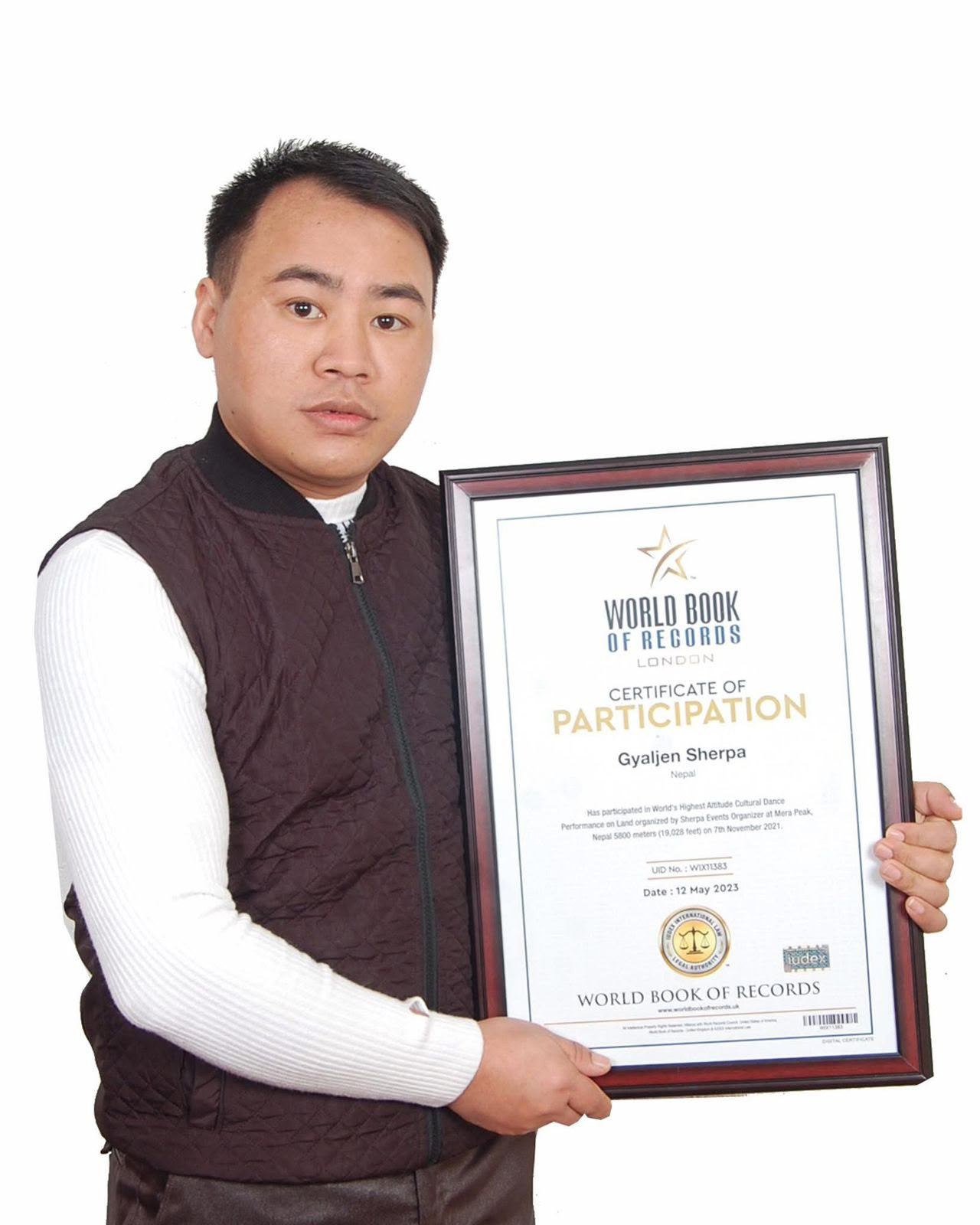








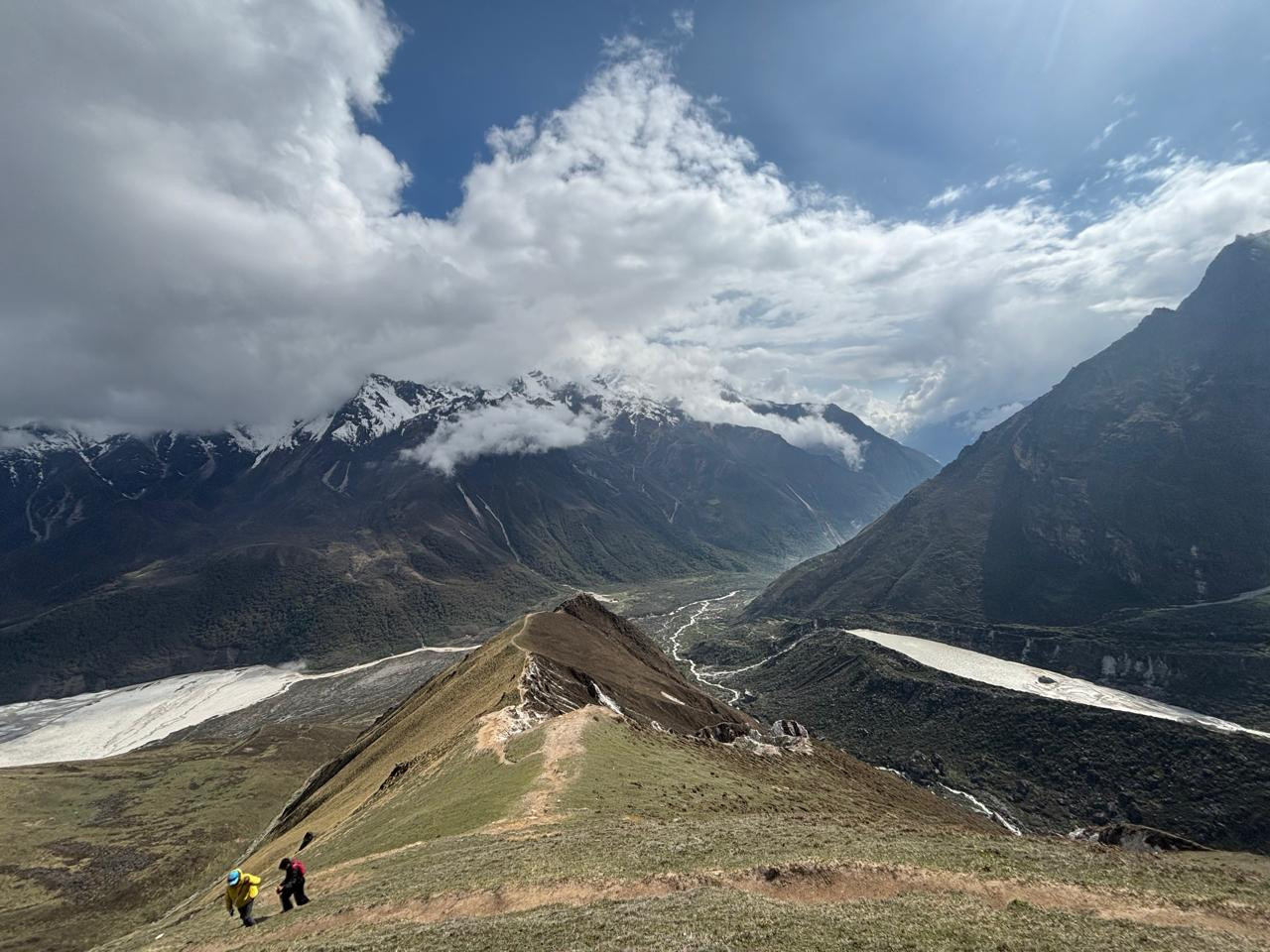
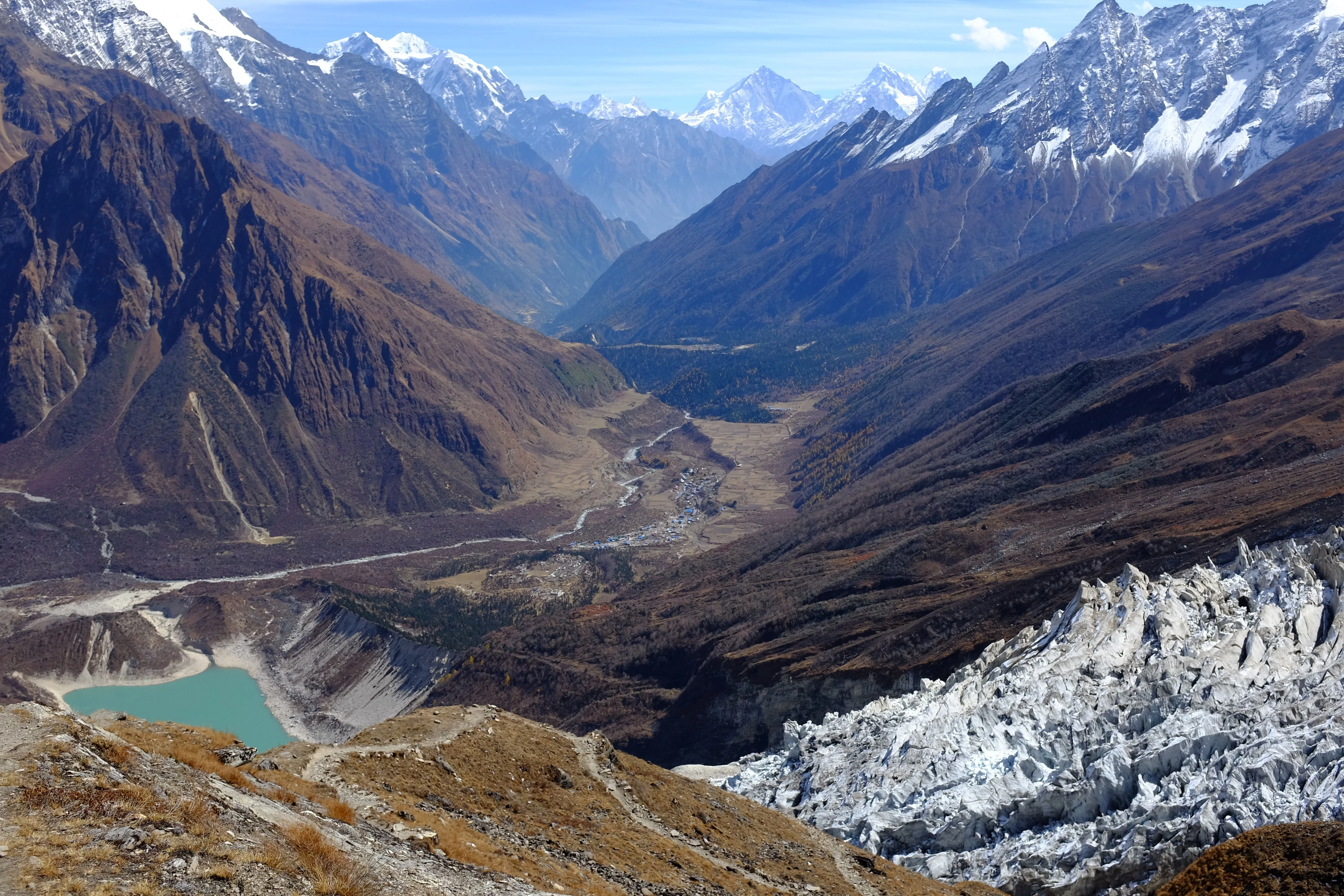
The 21 Days Tsum Valley Trek is one of Nepal's most peaceful and culturally rich trekking adventures. Hidden in the northern part of the Gorkha district near the Tibetan border, the valley remained isolated from the outside world for centuries. Because of this, it has preserved its unique Tibetan Buddhist culture, ancient monasteries, traditional villages, and way of life.
The journey begins with a scenic drive from Kathmandu to Soti Khola before following the Budhi Gandaki River through lush forests, waterfalls, suspension bridges, and charming mountain villages. At Lokpa, the trail leaves the popular Manaslu Circuit and enters the hidden Tsum Valley, where the atmosphere becomes quieter and more spiritual.
As you trek deeper into the valley, you'll pass traditional villages like Chumling, Chhokangparo, Nile, and Mu Gompa, where locals continue to practice centuries-old Buddhist traditions. Ancient monasteries, prayer flags, mani walls, and stunning Himalayan landscapes create a truly unforgettable experience.
A major highlight of the trek is visiting the sacred Mu Gompa, the largest monastery in the valley, along with Rachen Gompa and Dhephyudonma Gompa. The journey also includes an exciting hike to Ganesh Himal Base Camp (4,200 m), offering spectacular views of Ganesh Himal, Sringi Himal, and surrounding snow-covered peaks.
Perfect for trekkers seeking culture, solitude, and breathtaking mountain scenery, the Tsum Valley Trek offers an authentic Himalayan experience far from the crowds.
Upon your arrival at Tribhuvan International Airport in Kathmandu, our representative will warmly welcome you and transfer you to your hotel. After checking in, you will have time to relax and recover from your journey. In the evening, you will attend a detailed trip briefing where your trekking guide will explain the itinerary, trail conditions, safety procedures, and altitude awareness. You can also use this time to make any last-minute purchases or rent trekking equipment in the vibrant streets of Thamel. Overnight stay at a hotel in Kathmandu.
After breakfast, enjoy a full day exploring the cultural and historical treasures of Kathmandu Valley. Visit UNESCO World Heritage Sites such as Swayambhunath (Monkey Temple), Pashupatinath Temple, Boudhanath Stupa, and Kathmandu Durbar Square, each offering a unique glimpse into Nepal's rich heritage and religious traditions. In the afternoon, enjoy free time for shopping in Thamel, where you can purchase trekking gear, handicrafts, pashmina products, souvenirs, or traditional Nepali artwork. Return to your hotel in the evening for a final preparation before beginning your Himalayan adventure. Overnight stay in Kathmandu.
Your journey begins with a scenic drive from Kathmandu, leaving the busy city behind as you travel through winding highways, terraced farmland, and traditional hillside villages. Following the Trishuli River for much of the journey, you'll reach Arughat Bazaar before continuing on a rough mountain road to Soti Khola. Along the way, enjoy views of waterfalls, rivers, and lush green hills. Upon arrival, settle into a local teahouse and prepare for the trek ahead.
The trek begins by following the Budhi Gandaki River through dense sal forests and small Gurung villages. You'll cross several suspension bridges, pass cascading waterfalls, and walk along narrow cliffside trails carved into the hillsides. The route offers your first glimpse of rural life in the region before reaching the peaceful riverside village of Machha Khola.
Today's trail follows the Budhi Gandaki River through beautiful forests and rocky valleys. You'll pass Tatopani, famous for its natural hot springs, before crossing several suspension bridges and climbing stone staircases to Doban and Yaru. A final uphill walk brings you to Jagat, a traditional stone-paved village that serves as the official entrance to the Manaslu Conservation Area.
Leaving Jagat, you'll walk through scenic forests and cultivated terraces while passing the villages of Salleri and Philim. At Philim, the trail to the Manaslu Circuit continues straight, while your route turns north toward the hidden Tsum Valley. As you climb through peaceful pine forests and quieter mountain trails, you'll arrive at Lokpa, the first village inside the sacred Tsum Valley, surrounded by beautiful mountain scenery.
Today's trail descends briefly through thick pine and rhododendron forests before crossing the Siyar Khola on a suspension bridge. After a steady climb, you'll reach the beautiful village of Chumling. The village features traditional Tibetan-style homes, cultivated fields, and impressive views of Ganesh Himal. You can also visit the ancient Chumling Monastery and enjoy the peaceful atmosphere of this culturally rich settlement.
The trail gradually climbs through fertile farmland, forests, and small settlements while offering increasingly impressive views of Ganesh Himal and Himal Chuli. You'll cross suspension bridges and pass traditional mani walls, chortens, and prayer flags before reaching Chhokangparo. This beautiful village consists of two connected settlements and provides one of the finest panoramic viewpoints in the Tsum Valley.
Today's walk takes you deeper into the sacred upper Tsum Valley. The trail passes ancient Buddhist monuments, prayer wheels, and traditional Tibetan villages including Lamagaon. As you continue, you'll cross the Shiar Khola and arrive at Nile, the last permanent settlement before the Tibetan border. The peaceful surroundings and unique Tibetan culture make this one of the trek's most memorable stops.
A gradual climb leads you to Mu Gompa, the largest and oldest monastery in the Tsum Valley. This centuries-old monastery sits on a hillside overlooking the valley and offers spectacular mountain views. After exploring the monastery, continue to the sacred Dhephyudonma Gompa, one of the highest monasteries in the region. Surrounded by dramatic Himalayan landscapes, this peaceful site provides incredible views before returning to Mu Gompa for the night.
From Gompa, the descent begins. We descend to Rachen Gompa, then Chhule and reach Phurbe. Rachen Gompa lies in the border area of Nepal and Tibet, and it sits surrounded by humongous mountains. But the destination for this day takes you through a forested area and finally at Chhokangparo.
Our descent from Chhokung Paro continues as we reach Gho. You will be crossing a suspension bridge near Gho and hiking forward to reach Rainjam Village. We leave Rainjam village, descend to Tsum Valley and finally reach Chumling - our destination for the day.
Today, you will leave Chumling and continue descending, so today's journey should be an easier one. You will be moving along the bank of Shair Khola to reach Lokpa Village. On a nice day, you may pass through large flocks of sheep and goats along the path.
The trail after Lokpa descends as we cross the Budi Gandaki on a solid bridge then enters a narrow gorge from where it starts to ascend and descend while gradually climbing through the valley. We cross a river on a suspension to Nupri and then pass through bamboo forests to reach the Gurung village of Deng (1860m).
From Deng, we climb to Rana (1,910m) Village and hike forward to Bhiphedi (2,130m). The path starts meandering in and out of the valley canyons crossing the Serang Khola before leading us to Ghap (2160m). As we leave Ghap, the valley becomes steeper as we continue a long climb through bamboo and rhododendron forests. After crossing the wild rivers a couple of times, you will reach the Namrung Village - the entry point to the Nupri region. The locals of Namrung Village are Tibetan descendants.
We leave Namrung and pass through many Mani wall entrance gates, several Buddhist Gompas, and a few villages. Then the valley opens out, and our route passes through Sho Village. This village has many yaks and is known for excellent views of Manaslu (8163m) and Manaslu North (7,157m).
It is a great day to savor the great mountain views. To trek to Sama Gaon (3530m), we follow the right riverbank enjoying the views of Peak 29. A couple of hours of climbing through the forest brings us to Shyala village, from where we can see Phungi, Manaslu, and Himal Chuli mountains. The Shyala villagers rely on yaks, potatoes, and barley to survive this distinctly Alpine region.
As we hike up, you will see Ganesh Himal towards the east and the Himalchuli and Manaslu in the south. Soon enough, as you look down, you will be able to see two rows of houses that form the central part of Sama Gaon. At the far end of Sama Gaon stands the well-known Sama Gaon Monastery. The Tibetan border is very near from here. We stop at Samagaon for a day to acclimatize.
To ensure proper acclimatization, we spend a day at Sama Gaon for rest. Sama Gaon lies close to Manaslu Base Camp, and in this village, you can see thousands of mani stones with Buddhist texts and sculptures. The women here wear a nice silver spoon as jewelry.
Today is a rest day, but you can take optional excursions to explore the surrounding glacial moraine or visit Birendra Lake or Pungyen Gompa. The return side trip to Manaslu Base Camp takes eight hours but is well worth the effort as it provides fantastic views of the Manaslu Glacier and the turquoise Birendra Lake. If you just want to explore Sama Gaon and relax, you can visit the Pung-Gyen monastery, which sits beneath the east face of Manaslu. Higher up the village lies cave Gompa and hot springs.
We start early in the morning from Sama Gaon and head to Samdo. Our hike takes us through the terraced fields alongside old mani walls, across the Budhi Gandaki wooden bridge, and gradually up to the Samdo valley. Another mani wall marks the beginning of the ascent to the Larkya La Pass. We cross two streams and witness the Larkya Glacier. Then, we go around the Salka Khola Valley, climb up once again and come to a stone guest house (4,450 m), which is not a lodge but a kind of resting place called Dharmasala, also known as Larkya La Phedi. Today you will enjoy fantastic views of Larkya Glacier and the impressive Manaslu mountain. We rest at Larkya La Phedi and prepare to cross Larkya La Pass the next day.
After breakfast, begin the drive back to Kathmandu through scenic countryside, terraced hills, river valleys, and bustling roadside towns. As you return to the capital, you'll carry unforgettable memories of the hidden Tsum Valley, its ancient monasteries, rich Tibetan culture, warm hospitality, and spectacular Himalayan landscapes.
The trail descends through rhododendron forests, alpine meadows, and picturesque villages while following glacial rivers. As you lose altitude, the vegetation becomes greener, and you'll pass through settlements like Gho before arriving at Dharapani. This village marks the point where the Manaslu Circuit connects with the famous Annapurna Circuit Trek.
After breakfast, begin your scenic drive back to Kathmandu. The journey passes through mountain villages, river valleys, terraced hillsides, and beautiful countryside before returning to the capital. Upon arrival, your unforgettable Manaslu Tsum Valley Trek comes to an end with lasting memories of Nepal's remote Himalayas, rich culture, and breathtaking mountain landscapes.
After breakfast, depending on your international flight schedule, our representative will transfer you to Tribhuvan International Airport for your onward journey. Depart Nepal with unforgettable memories of crossing the Larke la Pass, beautiful Tsum valley and experiencing the unique culture of the Manaslu region, and witnessing some of the world's most spectacular Himalayan landscapes.
Let's customize this itinerary as per your time and budget, as you like.
Tick items off as you pack — your progress is saved on this device.
No gear matches that search. Try a different word.
Down jackets, sleeping bags and trekking poles can be hired or bought inexpensively in Kathmandu and Namche Bazaar — ask our team and we will arrange it before you set off.
We are a team of professionals who share a common devotion to the outdoors — government-licensed, altitude-trained, and with you from Lukla to the summit.
Our TeamMr. Gyaljen Sherpa was born and raised in the Everest region, and his Sherpa heritage gives him deep, lifelong knowledge of the mountains, local commu...
View Profile
Sikendar Chaudhary (CK) is a licensed professional trekking guide from Nepal with over 5 years of experience leading unforgettable adventures across t...
View Profile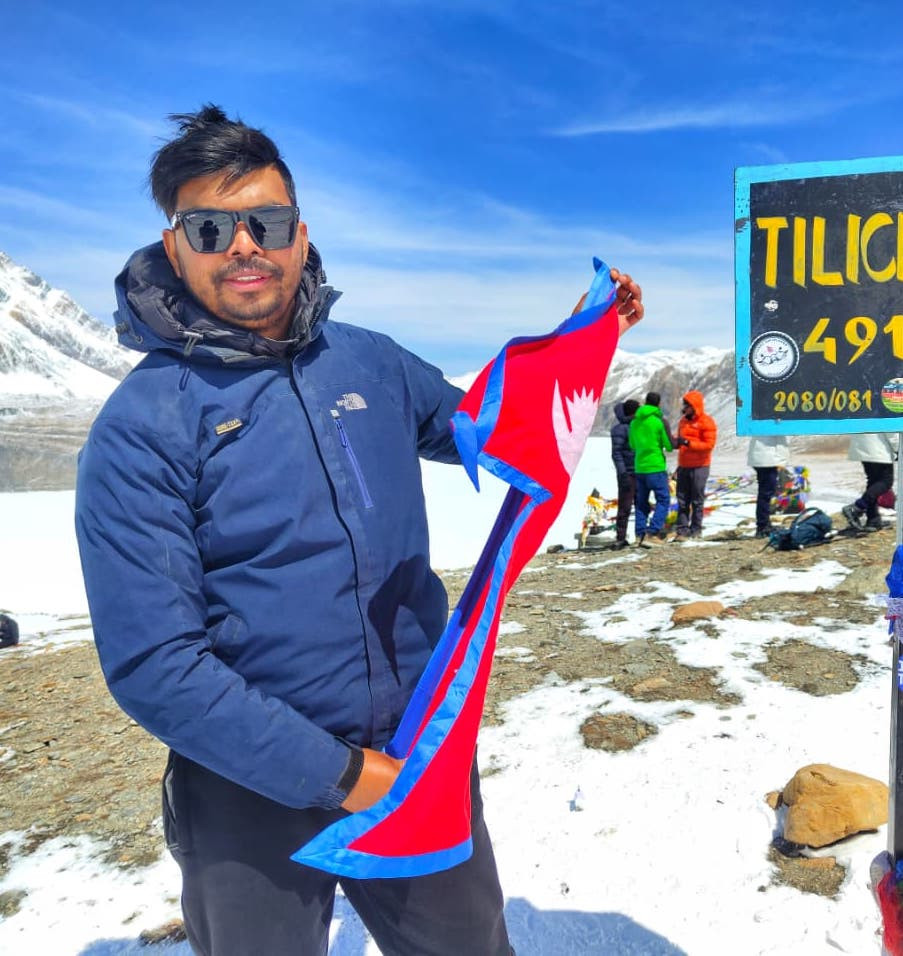
The standard Tsum Valley Trek takes 18 to 22 days, including transportation between Kathmandu and the trailhead. If you combine the trek with the Manaslu Circuit, the total duration is usually takes more.
Tsum Valley is located in the northern part of Nepal's Gorkha District within the Manaslu Conservation Area. Nestled close to the Tibetan border, the valley is surrounded by spectacular Himalayan peaks and is renowned for its preserved Tibetan Buddhist culture, ancient monasteries, and peaceful mountain villages.
The Tsum Valley Trek combines breathtaking scenery with rich cultural heritage. Highlights include:
The trek is suitable for most trekkers with a reasonable level of fitness. While previous trekking experience is helpful, beginners who prepare physically and trek at a comfortable pace can successfully complete the journey. Since the highest point is around 3,700 meters, the trek is less demanding than many high-altitude Himalayan routes.
The road journey from Kathmandu to Machha Khola, the usual starting point of the trek, covers approximately 160 kilometers and takes around 8–10 hours by jeep, depending on road conditions. From Machha Khola, several days of trekking are required to reach the upper Tsum Valley.
Tsum Valley remained closed to foreign visitors until 2008, helping preserve its unique culture and traditions. Unlike busier trekking destinations, it offers a peaceful trekking experience through authentic Himalayan villages, sacred Buddhist monasteries, ancient pilgrimage sites, and breathtaking mountain landscapes with relatively few visitors.
The Tsum Valley Trek is considered a moderate trek. Trekkers usually walk between 5 and 7 hours each day on mountain trails that include gradual ascents, descents, and occasional steep sections. Although the trek requires good endurance, it does not involve technical climbing or mountaineering skills.
The highest point on the standard itinerary is Mu Gompa (3,700 m / 12,139 ft), one of the oldest monasteries in the region. Situated near the Tibetan border, Mu Gompa offers magnificent views of the surrounding Himalayan peaks and serves as an important spiritual center for local communities.
To trek in Tsum Valley, you generally need:
Tsum Valley Restricted Area Permit (RAP)
Manaslu Conservation Area Permit (MCAP)
If your itinerary continues along the Manaslu Circuit and exits through Dharapani, you will also need an Annapurna Conservation Area Permit (ACAP). Your trekking agency typically arranges all required permits before the trek begins.
Yes. Tsum Valley is a government-designated restricted trekking area due to its proximity to the Tibetan border and its cultural significance. Foreign trekkers must obtain a Restricted Area Permit and trek with a licensed guide through a registered trekking agency.
Flying drones in Tsum Valley requires prior approval from the Civil Aviation Authority of Nepal (CAAN) and other relevant government authorities. Additional permission may also be needed within the Manaslu Conservation Area. Unauthorized drone use can result in fines or confiscation of equipment.
Yes. Most trekking packages offered by reputable trekking companies include all required permits. It is advisable to confirm exactly which permits are included when booking your trek.
Yes. Comprehensive travel insurance is strongly recommended for every trekker. Although the trek reaches a relatively moderate altitude, accidents, illness, or unexpected weather conditions can occur in remote mountain regions where medical facilities are limited.
Your travel insurance should include:
Always check your policy carefully before traveling.
Most foreign nationals require a tourist visa to enter Nepal. You can obtain a visa from a Nepalese embassy before travel or apply upon arrival at Tribhuvan International Airport in Kathmandu, provided you meet the eligibility requirements. Ensure your passport remains valid for at least six months beyond your arrival date.
Yes. Citizens of most countries are eligible for a visa on arrival at Tribhuvan International Airport and designated land border crossings. You will need a valid passport, passport-sized photographs (or digital photo facilities at the airport), and payment of the applicable visa fee in an accepted currency.
Yes. Since Tsum Valley is a restricted area, all foreign trekkers must be accompanied by a licensed guide arranged through a registered trekking agency. Independent trekking is not permitted under current government regulations.
Your guide ensures your safety, manages logistics, arranges accommodation, monitors your health, explains local culture and history, and communicates with tea house owners. Porters carry the majority of your luggage, allowing you to trek comfortably with only a light daypack.
Yes. Professional trekking agencies employ licensed guides who receive training in first aid, mountain safety, altitude awareness, and responsible tourism. Most guides speak good English, while some are also fluent in additional languages depending on the trekking company.
Accommodation during the Tsum Valley Trek is primarily in locally operated tea houses and lodges. These provide simple yet comfortable rooms, usually with twin beds, blankets, pillows, and shared dining areas. While the facilities are basic compared to city hotels, they offer a warm and welcoming atmosphere where trekkers can relax after a day's hike.
Most tea houses along the route have electricity, either from hydropower or solar energy. Hot showers are available in many villages for an additional fee, although availability becomes more limited at higher elevations. Power supply may occasionally be interrupted due to weather or technical issues.
Yes, single rooms are available in some tea houses, particularly in the lower villages. However, during the peak trekking seasons of spring and autumn, availability is limited. In smaller villages and at higher elevations, you may need to share a room with another trekker.
Most tea houses offer shared bathrooms rather than attached private facilities. Some lodges in the lower sections of the trek may have attached bathrooms, but these become increasingly rare as you travel deeper into the valley.
Tea houses offer a variety of freshly prepared meals, including traditional Nepali, Tibetan, and simple international dishes. Popular options include Dal Bhat, fried rice, noodles, momos, soups, Tibetan bread, chapati, pasta, potatoes, eggs, pancakes, and porridge. Dal Bhat is especially popular because it is nutritious, filling, and often comes with unlimited refills.
Yes. Vegetarian meals are widely available throughout the trek, and vegan options can often be prepared upon request. Since many local communities follow Buddhist traditions, vegetarian food is common, especially in the upper valley where meat consumption is limited.
Yes. Most tea houses sell snacks such as biscuits, chocolates, instant noodles, energy bars, chips, soft drinks, bottled water, tea, coffee, and hot chocolate. Prices increase with altitude because all supplies are transported by porters or pack animals.
Yes, safe drinking water is available. Many tea houses sell boiled drinking water, while natural water sources can be treated using purification tablets, UV purifiers, or portable water filters. Using reusable water bottles and purification methods is encouraged to reduce plastic waste.
The best seasons are spring (March to May) and autumn (September to November). During these months, the weather is generally stable, skies are clear, mountain views are spectacular, and temperatures are comfortable for trekking.
Weather plays an important role in trail conditions and mountain visibility. Clear weather offers excellent panoramic views and comfortable trekking conditions, while heavy rain during the monsoon can make trails muddy and increase the risk of landslides. Winter brings snow and colder temperatures, particularly in the upper valley.
Temperatures vary depending on the season and altitude. During spring and autumn, daytime temperatures generally range between 10°C and 20°C at lower elevations, while nighttime temperatures in the upper valley can fall below freezing. Winter temperatures may drop to -10°C or lower in higher villages.
The main health concerns during the Tsum Valley Trek include altitude sickness, dehydration, muscle fatigue, minor injuries, and digestive issues caused by changes in diet or untreated water. Maintaining good hygiene, drinking plenty of water, eating nutritious meals, and following your guide's advice will help minimize these risks.
To stay safe during the trek:
Yes, although the highest point of the standard trek is around 3,700 meters, some trekkers may still experience mild altitude sickness. Proper acclimatization, gradual ascent, staying hydrated, and avoiding alcohol can significantly reduce the risk.
There are no mandatory vaccinations specifically for the Tsum Valley Trek. However, travelers are generally advised to be up to date with routine vaccinations such as Hepatitis A, Typhoid, Tetanus, and other vaccines recommended by their healthcare provider before traveling to Nepal.
If you are hiring a porter, your personal daypack should ideally weigh 5–8 kg, carrying only daily essentials such as water, snacks, extra clothing, camera equipment, and personal items. The remainder of your luggage can be carried by your porter.
Recommended packing list includes:
Yes. Although tea houses provide blankets, temperatures can drop below freezing at higher elevations. A four-season sleeping bag rated to around -10°C is recommended for additional warmth and comfort.
Kathmandu has numerous trekking equipment shops where you can rent high-quality sleeping bags, down jackets, trekking poles, duffel bags, crampons (if required in winter), and other trekking gear at affordable prices before starting your trek.
Booking at least one to three months in advance is recommended, especially if you plan to trek during the popular spring or autumn seasons. Early booking ensures better guide availability, accommodation arrangements, and timely processing of restricted area permits.
Most trekking companies require a deposit to confirm your booking, with the remaining balance payable before the trek begins or upon your arrival in Kathmandu. Payment methods typically include bank transfer, credit card, or cash.
No. ATMs and credit card facilities are not available once you leave Kathmandu. It is essential to carry enough Nepali Rupees to cover personal expenses such as snacks, drinks, charging fees, Wi-Fi, hot showers, and tips.
The trek usually begins with a scenic drive from Kathmandu to Machha Khola, passing through Arughat and Soti Khola. The journey takes approximately 8–10 hours by private jeep, depending on road conditions.
No. Unlike some popular trekking regions in Nepal, the Tsum Valley Trek does not require domestic flights. The trailhead is accessible by road from Kathmandu, making travel arrangements simpler and less affected by weather-related flight delays.
Most standard itineraries end at Machha Khola, where trekkers drive back to Kathmandu. If combined with the Manaslu Circuit Trek, the journey continues over Larkya La Pass and concludes at Dharapani, followed by a drive back to Kathmandu.


 UK Representative
  Nepal - Guide & Sales