
 Overview
 Itinerary
 Includes
 Equipment
 Trip Info & FAQs
Mr. Gyaljen Sherpa
Mr. Gyaljen Sherpa was born and raised in the Everest region, and his Sherpa heritage gives him deep, lifelong knowledge of the mountains, local commu...
View Profile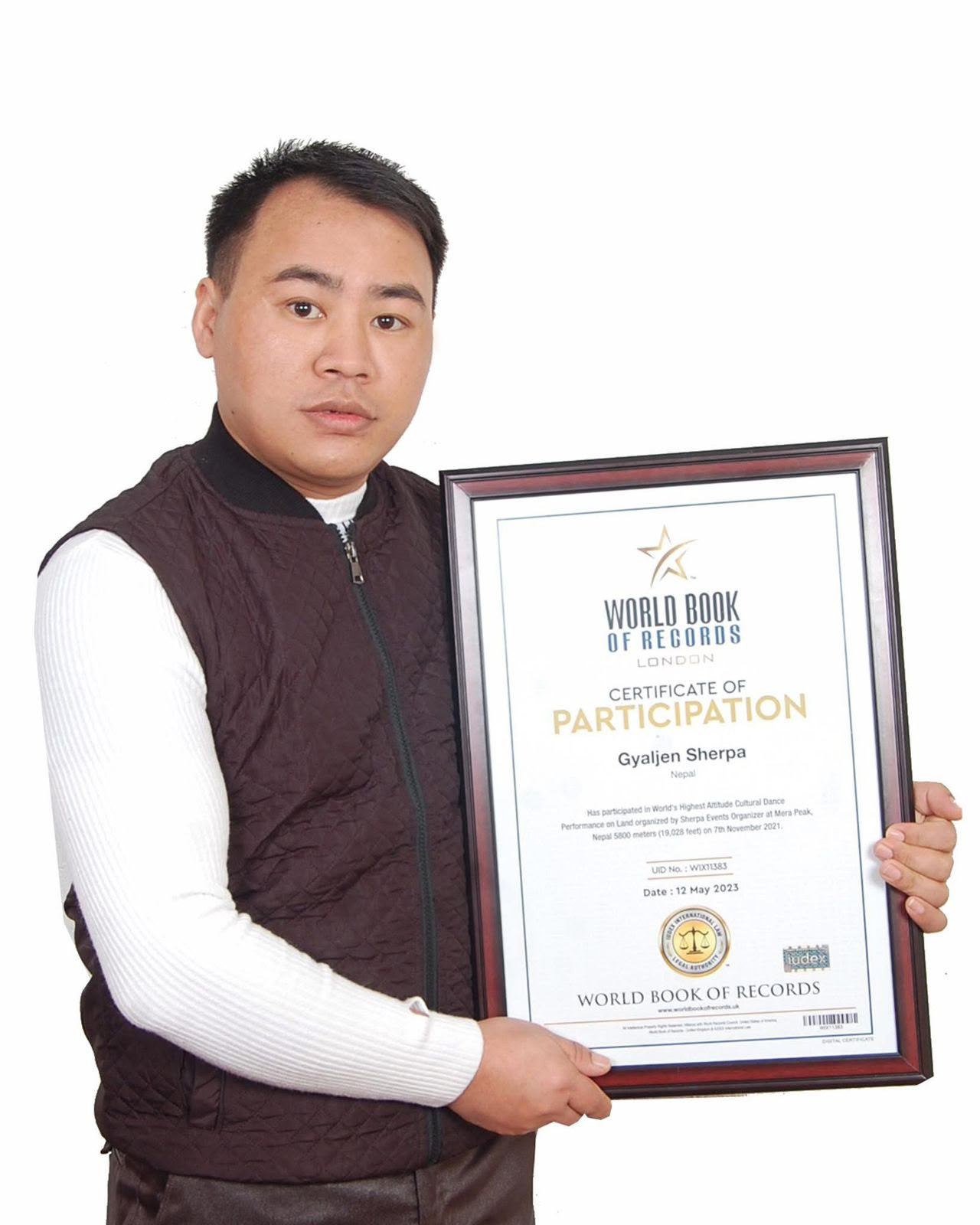
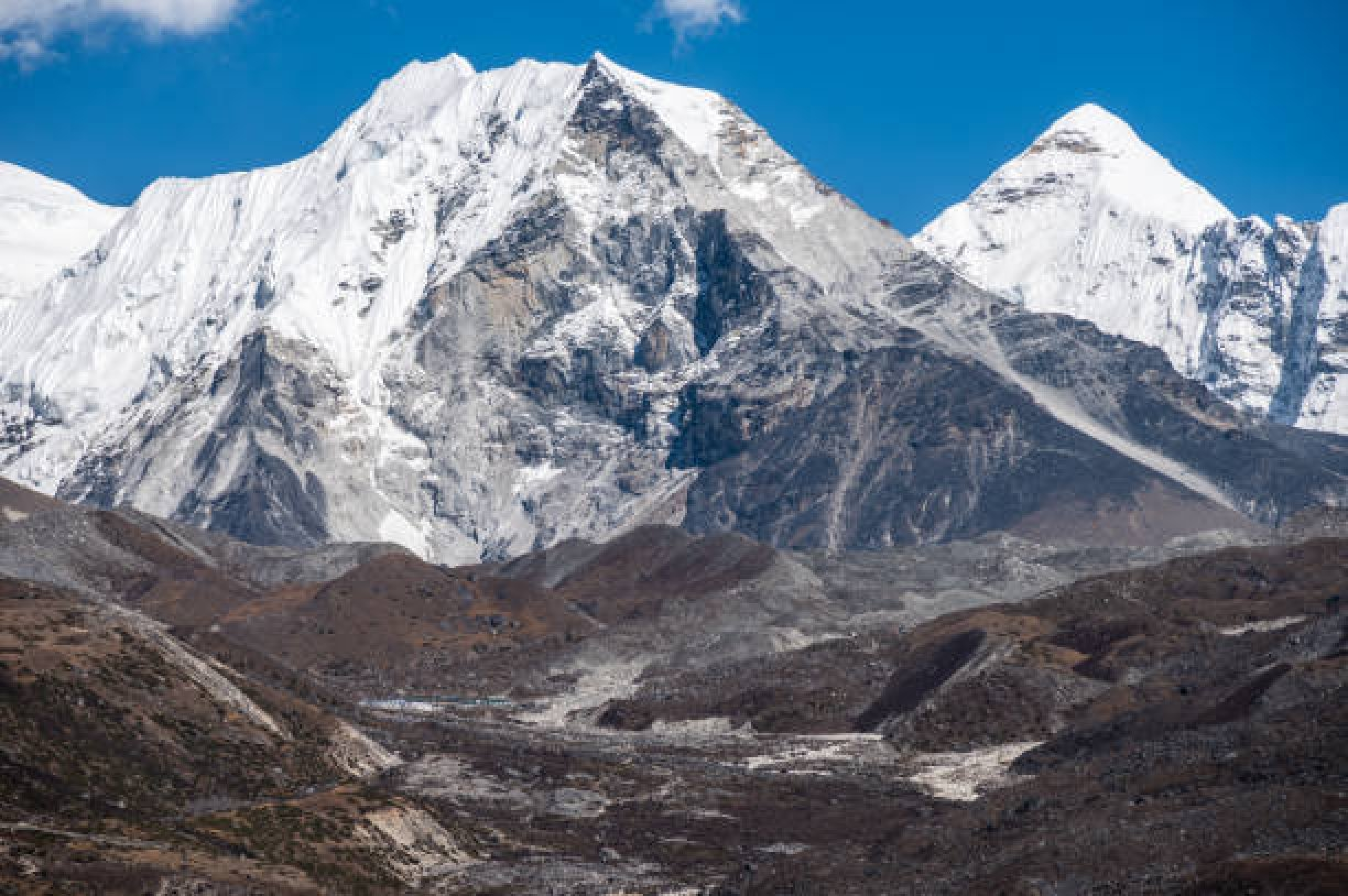
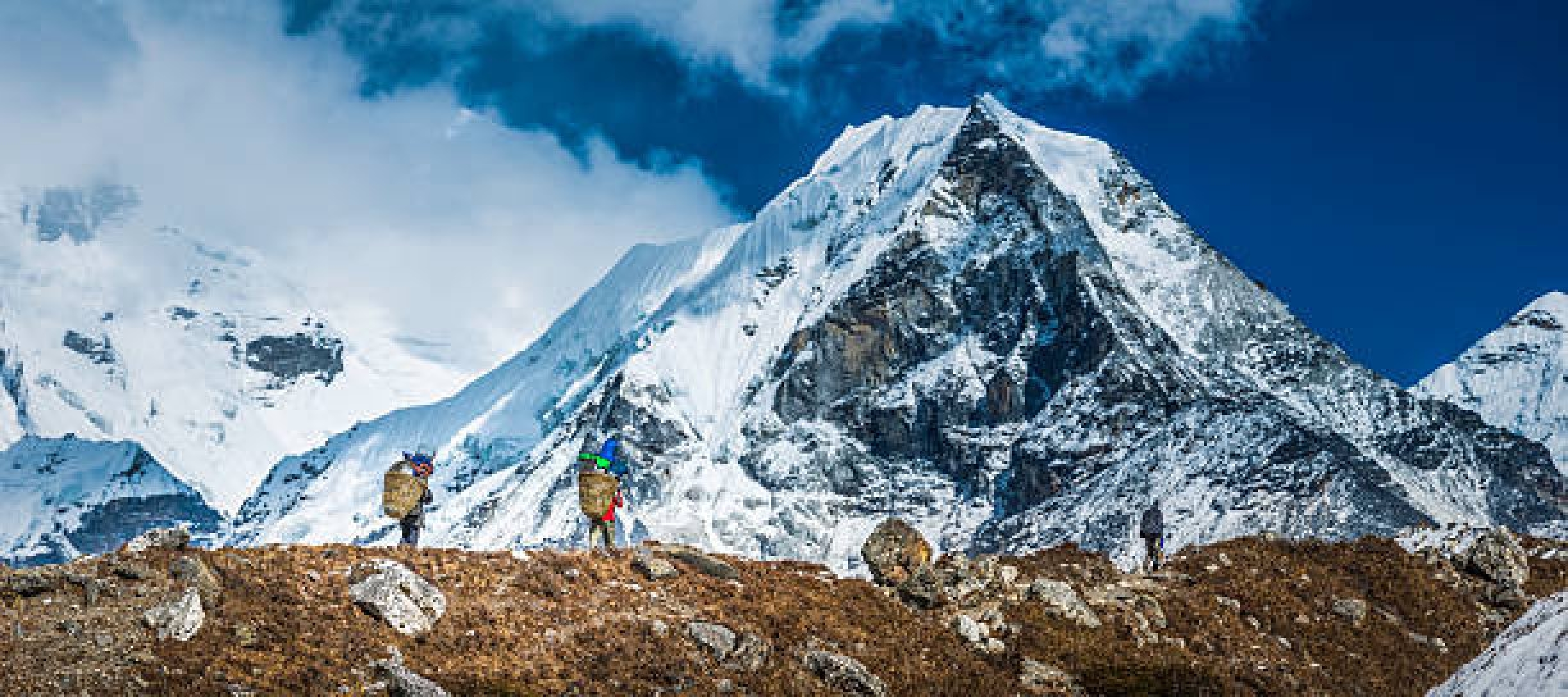
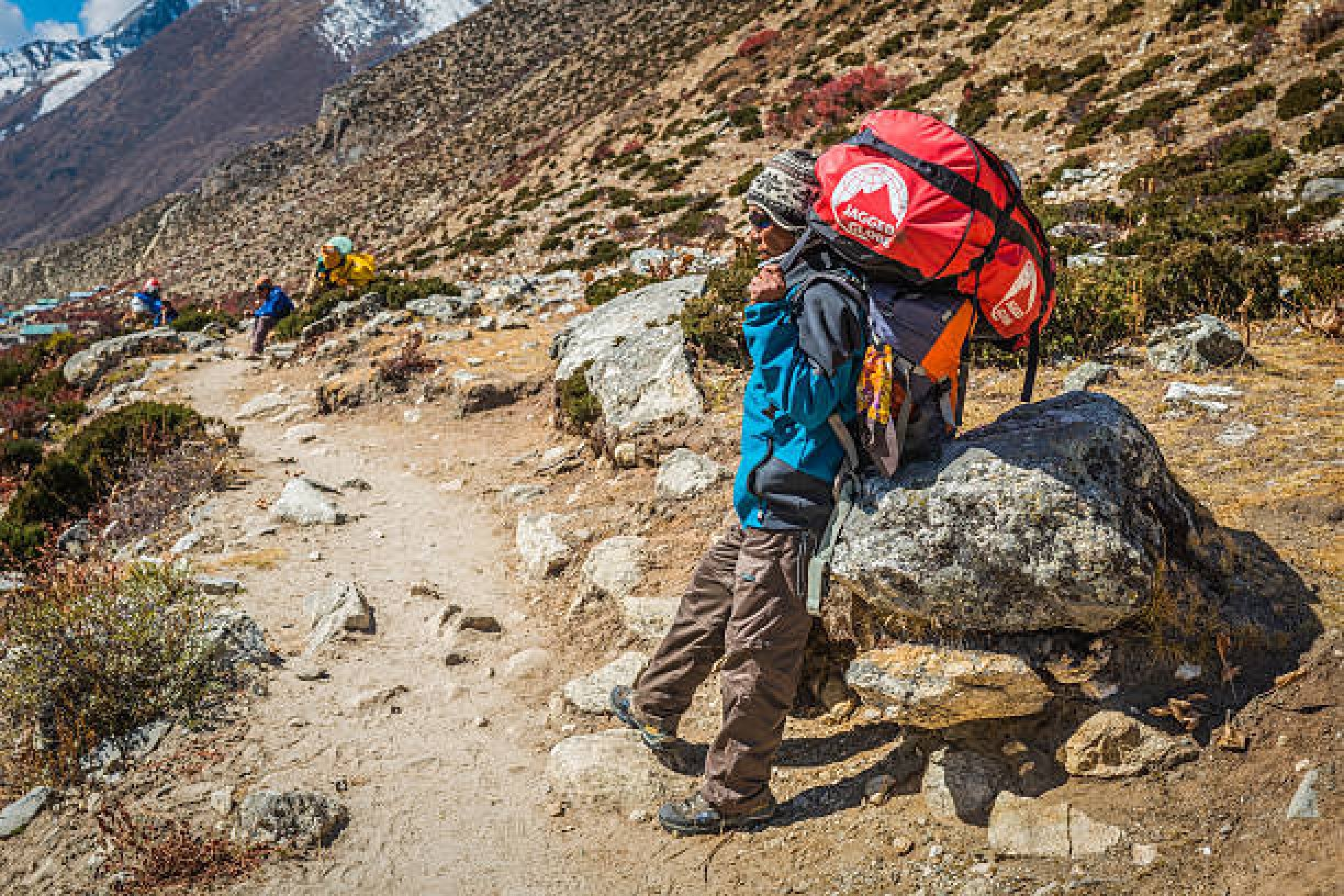







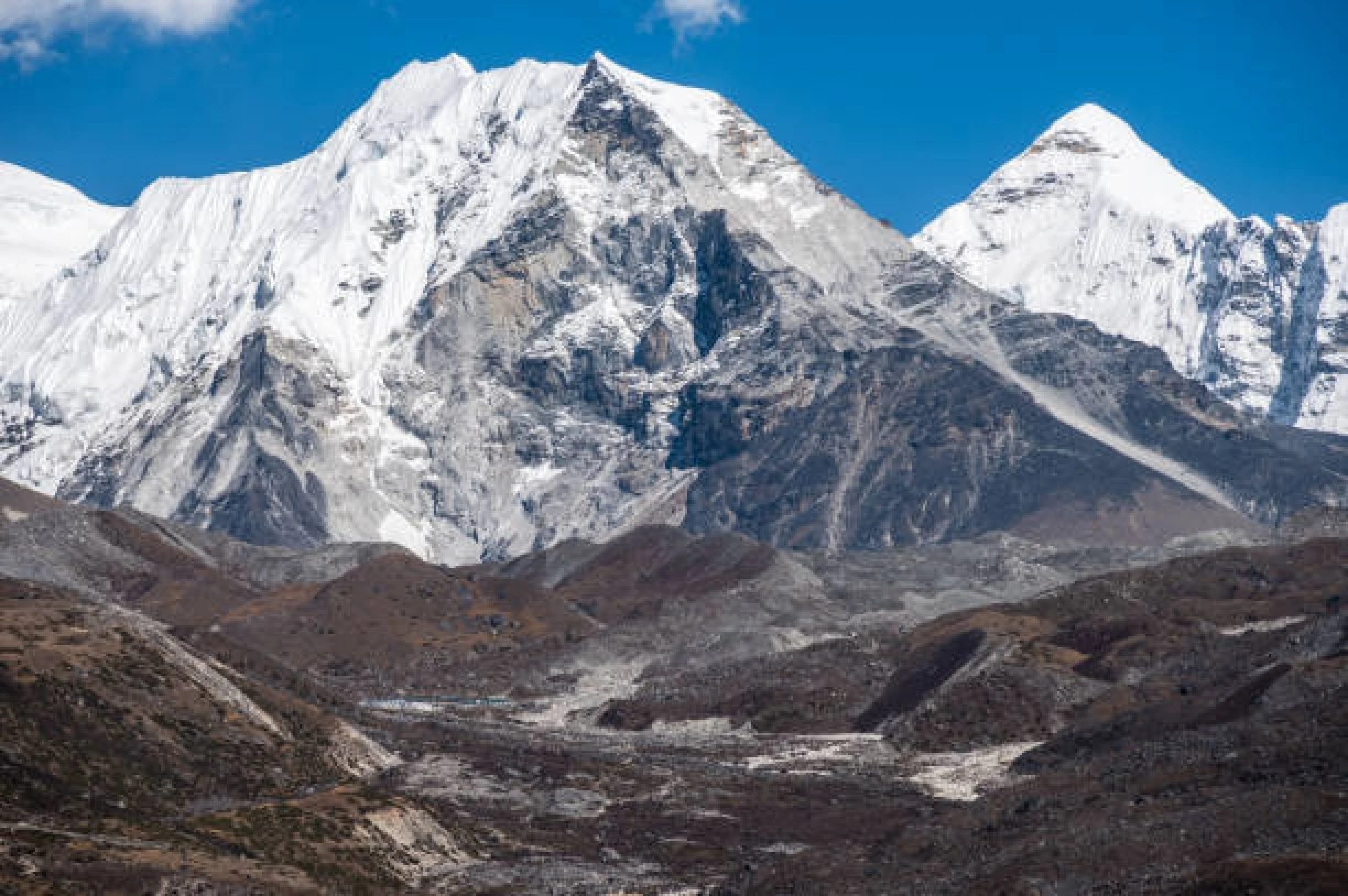
Island Peak Climbing is an exciting Himalayan adventure that combines classic Everest region trekking with the challenge of climbing one of Nepal's most popular trekking peaks. Rising to approximately 6,189 m /20,305ft, Island Peak, also known as Imja Tse, offers an excellent introduction to high-altitude mountaineering, including glacier travel, fixed-rope climbing, crampon techniques and basic alpine skills.
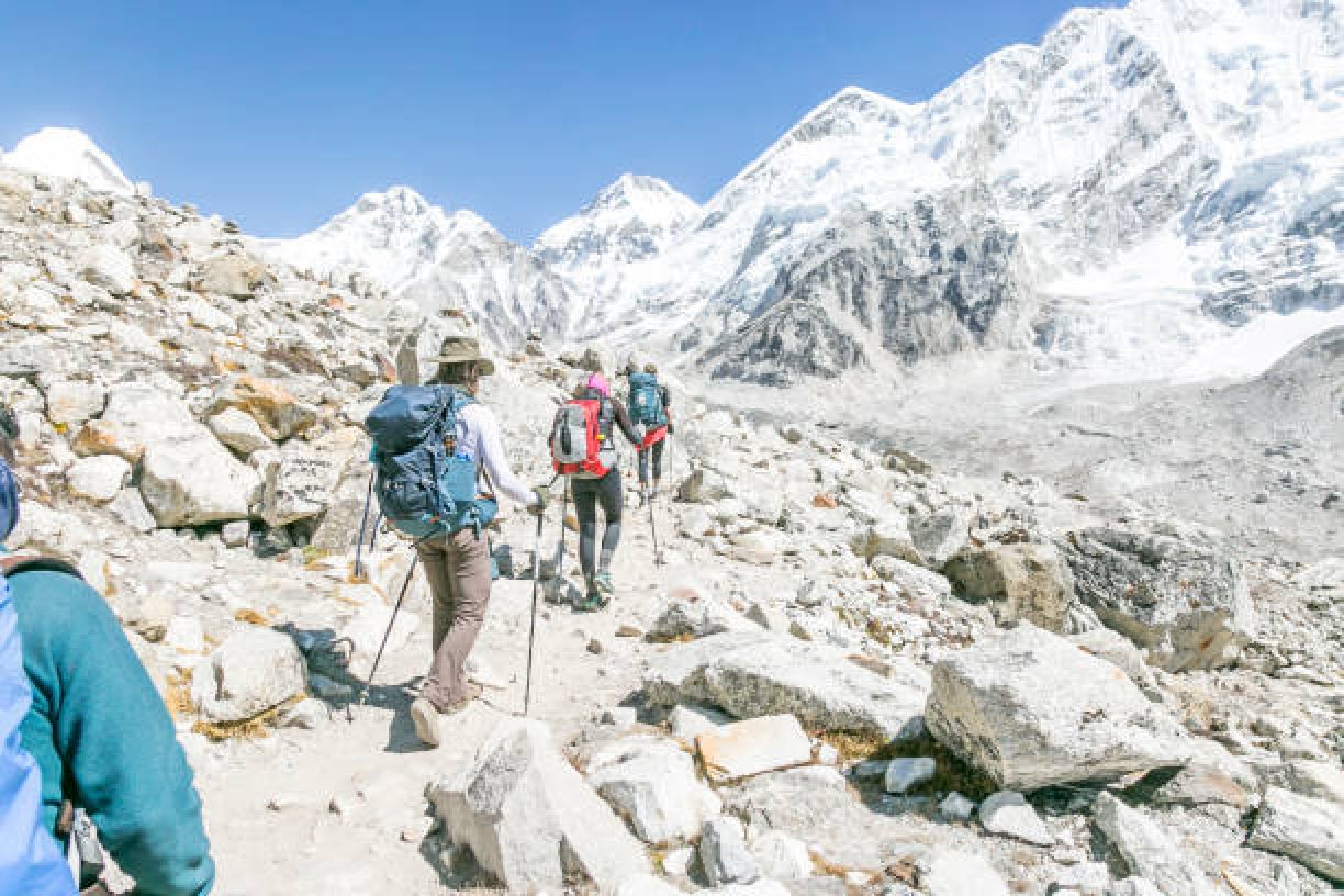
The 16-day journey begins in Kathmandu with sightseeing, shopping and final expedition preparation before flying to Lukla. From Lukla, the trek follows the famous Everest region trail through Phakding, Namche Bazaar, Tengboche and Dingboche before entering the beautiful Imja Valley. Along the route, trekkers experience traditional Sherpa villages, Buddhist monasteries, suspension bridges, rhododendron forests, dramatic valleys and spectacular views of some of the world's highest mountains.
The itinerary includes an important acclimatization day at Namche Bazaar before continuing toward Tengboche and Dingboche. From Dingboche, the route leads to Chhukung, the gateway to Island Peak. The trek then continues to Island Peak Base Camp at approximately 5,240 meters, where climbers spend a dedicated rest and training day. Under the guidance of an experienced climbing team, you will practice essential mountaineering techniques and prepare for the summit attempt.
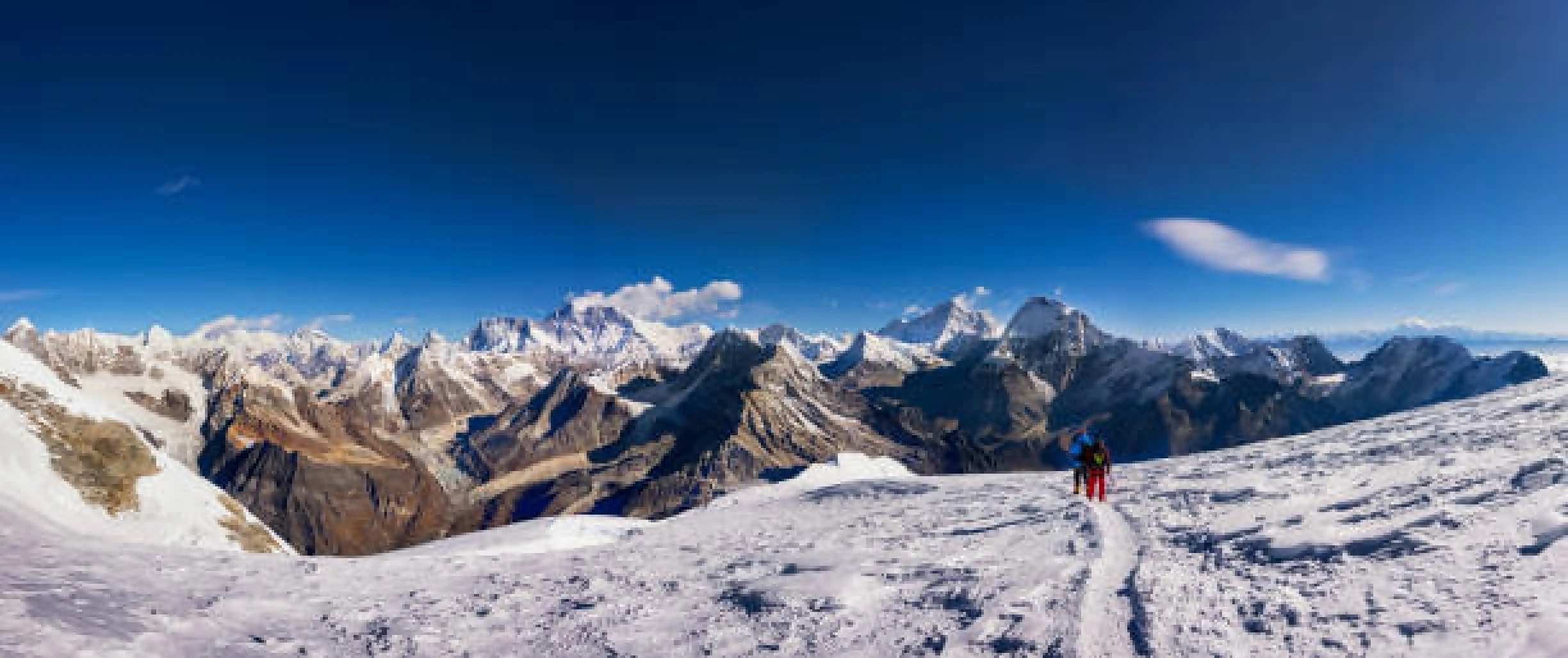
The summit day begins in the early hours of the morning. The climb involves steep snow and glaciated terrain, with fixed ropes used on the more technical sections. With favorable weather, good route conditions and proper acclimatization, you will reach the summit of Island Peak at 6,187 meters, where spectacular panoramic views of Lhotse, Nuptse, Ama Dablam, Makalu, Baruntse and other Himalayan peaks await.
After the summit, the journey descends through Chhukung, Tengboche and Khumjung before returning to Namche Bazaar and Lukla. The adventure concludes with a scenic flight back to Kathmandu, followed by your final departure from Nepal.
This itinerary is designed for adventure seekers who want to experience the Everest region while adding a genuine high-altitude climbing challenge. The combination of acclimatization, technical training, glacier travel and a rewarding summit makes Island Peak an excellent stepping stone toward more demanding Himalayan mountaineering objectives.
Upon arrival at Tribhuvan International Airport in Kathmandu, you will be warmly welcomed by our representative and transferred to your hotel. After check-in, you will have time to rest and recover from your journey. Later, you will meet your climbing guide and receive an initial briefing about the Island Peak expedition, including the trekking route, altitude profile, climbing requirements, safety procedures, and necessary equipment. You can spend the evening relaxing and preparing for the exciting Himalayan adventure ahead.
Today is dedicated to exploring the cultural highlights of Kathmandu and completing your final preparations for the Island Peak expedition. After breakfast, you will visit some of the city's famous UNESCO World Heritage and cultural sites, such as Swayambhunath (Monkey Temple) and Boudhanath Stupa. After sightseeing, you will have time for last-minute shopping and equipment arrangements. You can purchase or rent any trekking and climbing gear you may still need, as well as snacks and personal essentials. Later, your climbing guide will conduct a final equipment check and briefing, ensuring that everything is ready for the trek. You will then prepare your bags for the journey to Lukla.
After an early breakfast, you will either take a direct scenic flight from Kathmandu to Lukla, approximately 35 minutes, or drive to Manthali/Ramechhap and take a short flight to Lukla, depending on the current flight operations and seasonal conditions. After landing at Lukla, located at approximately 2,840 m, you will meet your trekking crew, organize your baggage, and begin your trek toward Phakding. The trail passes through beautiful forests and traditional mountain settlements, following the Dudh Koshi Valley. This relatively short first trekking day allows your body to gradually begin adapting to the increasing altitude.
After breakfast, you continue trekking toward Namche Bazaar, the main trading and cultural center of the Khumbu region. The trail follows the Dudh Koshi River and crosses several suspension bridges decorated with prayer flags. After entering Sagarmatha National Park, the route gradually climbs through beautiful pine and rhododendron forests. The final ascent toward Namche is more demanding, but on clear days you may catch your first views of Mount Everest and other Himalayan peaks. Upon reaching Namche Bazaar, you will check into your guesthouse and have time to rest and explore the vibrant mountain town.
Today is an important acclimatization day in Namche Bazaar. Rather than continuing to a higher sleeping altitude, you will take a short hike around the surrounding hills to help your body adapt to the increasing elevation. A popular option is the hike toward the Everest View Hotel, from where you can enjoy spectacular views of Mount Everest, Lhotse, Ama Dablam and other Himalayan peaks. You will then return to Namche for rest and exploration. Your guide will also monitor your health and provide advice on hydration, pacing and altitude awareness before you continue toward higher elevations.
After breakfast, you leave Namche Bazaar and follow a scenic trail along the mountainside, with spectacular views of Everest, Lhotse, Nuptse and Ama Dablam. The trail gradually descends toward the Dudh Koshi River before climbing through beautiful rhododendron and pine forests toward Tengboche. Tengboche is famous for its historic Buddhist monastery and magnificent mountain surroundings. After arriving, you can visit the monastery and experience the peaceful spiritual atmosphere of this important Sherpa settlement.
Today you continue toward Dingboche, following the trail through beautiful alpine landscapes and traditional Sherpa villages. The route descends through forests before crossing the Imja Khola and gradually ascending toward Pangboche. From here, the landscape becomes more open and rugged as you enter the Imja Valley. Along the way, you will enjoy impressive views of Ama Dablam, Lhotse and surrounding peaks. After approximately 5–6 hours of trekking, you will reach Dingboche, an important acclimatization settlement in the Khumbu region.
After breakfast, you continue your journey from Dingboche toward Chhukung. The trail follows the Imja Valley and gradually gains elevation through increasingly rugged alpine terrain. As you approach Chhukung, the magnificent Island Peak becomes more prominent, along with spectacular views of Ama Dablam, Lhotse and surrounding Himalayan peaks. Chhukung is a small mountain settlement and an important staging point for climbers preparing to ascend Island Peak. Upon arrival, you will have time to rest and prepare for the journey to Base Camp.
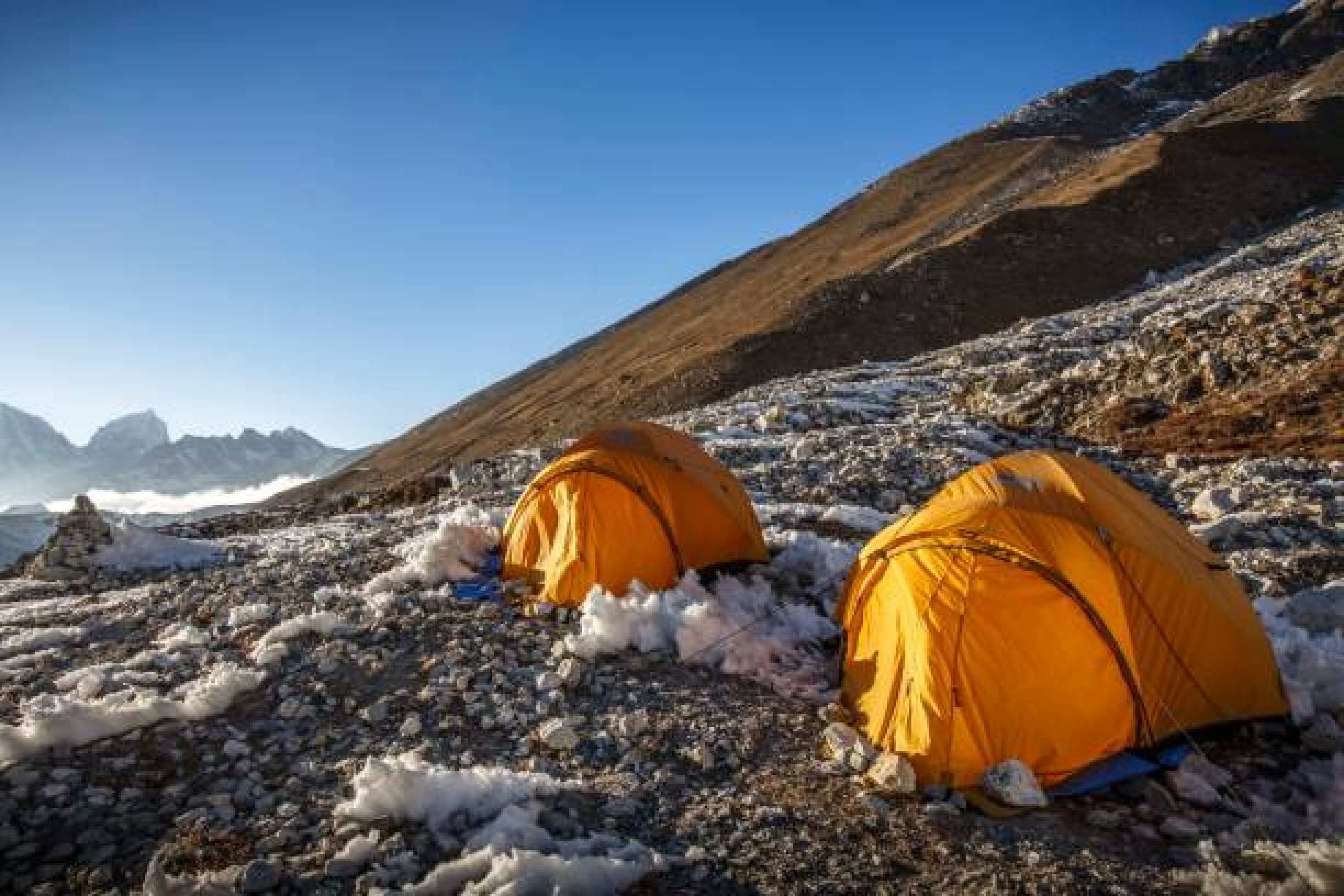
Today you leave Chhukung and begin the trek toward Island Peak Base Camp. The route follows the rugged Imja Valley and gradually approaches the glaciated landscape beneath Island Peak. As you gain elevation, the scenery becomes increasingly dramatic, with rocky moraines, glaciers and snow-covered Himalayan peaks surrounding the trail. After approximately 4–5 hours, you reach Island Peak Base Camp, where your climbing team will establish the tented camp. Your guide will check the climbing equipment and provide a detailed briefing about the upcoming summit attempt, including the route, weather conditions, rope techniques and safety procedures.
Today is an important rest and acclimatization day at Island Peak Base Camp. You will take time to allow your body to adapt to the high altitude while preparing physically and mentally for the summit attempt. Your climbing guide will provide practical training on the use of crampons, ice axe, climbing harness, ascender, descender and fixed ropes. You will practice basic climbing techniques and learn how to move safely on snow, ice and steeper sections of the route. The remainder of the day will be spent resting, hydrating and preparing your summit equipment. In the evening, your guide will provide a final briefing and confirm the early-morning summit schedule.
Today is the most challenging and rewarding day of the expedition. You will wake very early, usually around 1:00–2:00 AM, have a light breakfast and begin the summit climb. The route initially crosses rocky and glaciated terrain before reaching steeper sections where fixed ropes may be used. With favorable weather, good route conditions and sufficient energy, you will reach the summit of Island Peak at approximately 6,187 m. From the summit, you can enjoy breathtaking panoramic views of Lhotse, Nuptse, Ama Dablam, Makalu, Baruntse and numerous other Himalayan peaks. After spending a safe amount of time at the summit, you will begin the descent and continue toward Chhukung. This is a long and physically demanding day, so your climbing guide will closely monitor the team throughout the ascent and descent.
After the demanding summit day, you begin your descent toward Tengboche. The trail follows the Imja Valley and gradually loses elevation, making breathing easier as you descend. You will pass through Pangboche and continue through beautiful rhododendron and pine forests toward Tengboche. The journey provides a chance to relax and enjoy the spectacular mountain scenery without the pressure of the summit climb. After approximately 6–7 hours of trekking, you will arrive at Tengboche and settle into your guesthouse for a well-deserved rest.
Today you continue your descent toward Namche Bazaar via the beautiful Sherpa village of Khumjung. The trail passes through forests and open mountain terrain, offering excellent views of Ama Dablam and other Himalayan peaks. Khumjung is a traditional Sherpa village surrounded by spectacular mountains and provides an opportunity to experience the local culture and lifestyle. From Khumjung, the trail continues toward Namche Bazaar. After approximately 5–6 hours, you will reach Namche, where you can relax and enjoy the lively atmosphere of the mountain town.
Today is the final trekking day of your Island Peak expedition. After breakfast, you descend from Namche Bazaar along the Dudh Koshi Valley, passing through forests, traditional villages and suspension bridges. The trail gradually loses elevation as you continue toward Lukla. After approximately 6–7 hours of trekking, you will arrive in Lukla, marking the completion of your Island Peak trekking and climbing route. In the evening, you can relax and celebrate the successful expedition with your climbing guide and trekking team.
After breakfast, you will take a scenic flight from Lukla to Kathmandu, approximately 35 minutes, depending on weather and flight operations. If flights are operating from Ramechhap/Manthali, you will fly there and continue to Kathmandu by shared tourist vehicle. Upon arrival in Kathmandu, you will be transferred to your hotel and have the remainder of the day free for rest, relaxation, shopping, or exploring the vibrant streets of Kathmandu. This is a perfect opportunity to reflect on your successful Island Peak adventure and enjoy some well-deserved leisure time.
After breakfast, you will have free time in Kathmandu until your scheduled airport transfer. According to your international flight schedule, you will be transferred to Tribhuvan International Airport for your onward journey. With the completion of your Island Peak adventure, you depart Nepal carrying unforgettable memories of the Himalayas, Sherpa culture, breathtaking mountain landscapes, and your remarkable achievement at the summit of Island Peak.
Let's customize this itinerary as per your time and budget, as you like.
Tick items off as you pack — your progress is saved on this device.
No gear matches that search. Try a different word.
Down jackets, sleeping bags and trekking poles can be hired or bought inexpensively in Kathmandu and Namche Bazaar — ask our team and we will arrange it before you set off.
We are a team of professionals who share a common devotion to the outdoors — government-licensed, altitude-trained, and with you from Lukla to the summit.
Our TeamMr. Gyaljen Sherpa was born and raised in the Everest region, and his Sherpa heritage gives him deep, lifelong knowledge of the mountains, local commu...
View Profile
Sikendar Chaudhary (CK) is a licensed professional trekking guide from Nepal with over 5 years of experience leading unforgettable adventures across t...
View Profile
Island Peak, also known as Imja Tse, is located in Nepal’s Everest region within Sagarmatha National Park. The peak stands at approximately 6,189 meters (20,305 feet) and is surrounded by spectacular Himalayan peaks, including Lhotse, Nuptse, Ama Dablam, and Baruntse.
A typical Island Peak Climbing itinerary takes around 18–21 days, including arrival in Kathmandu, the trek to and from Island Peak, acclimatization days, summit preparation, and the return journey. The exact duration depends on the chosen itinerary, weather, acclimatization schedule, and trekking conditions.
The major highlights include:Trekking through the legendary Everest region:
No. Island Peak is considered a technical trekking peak and requires good physical fitness, strong endurance, and basic mountaineering skills. Previous high-altitude trekking experience is highly recommended. Beginners may attempt it if they are physically prepared and receive appropriate training and professional guidance.
Island Peak provides an opportunity to experience technical Himalayan climbing without committing to an expedition on a much higher mountain. It combines a classic Everest Base Camp-region trek with sections requiring crampons, an ice axe, ropes, and other mountaineering equipment.
Climbers generally need an Island Peak climbing permit as well as the applicable trekking, conservation-area, and local entry permits for the Everest region. Permit requirements and fees can change, so your trekking agency should confirm the current requirements before departure.
Most organized Island Peak packages include the necessary permits and associated arrangements. However, inclusions differ between trekking companies, so always check the detailed cost breakdown before booking.
When you book through a registered trekking agency, the company generally handles the permit application and administrative procedures. This saves you from dealing with the various formalities yourself.
Yes. Comprehensive travel insurance is strongly recommended for everyone joining the expedition. Island Peak involves high-altitude trekking and technical climbing, so your policy needs to specifically accommodate these activities.
Ideally, your insurance should cover high-altitude trekking and mountaineering to the maximum elevation of your trip, emergency medical treatment, helicopter evacuation, trip cancellation or interruption, baggage loss, and repatriation where applicable.
Most international visitors require a Nepal tourist visa. Many nationalities can obtain a visa on arrival at Tribhuvan International Airport in Kathmandu, while some travelers may need to arrange their visa beforehand. Requirements can vary by nationality, so check the latest official requirements before your trip.
Organized Island Peak expeditions normally include an experienced trekking and climbing guide. The guide leads the group, monitors conditions, assists with acclimatization, and provides technical guidance during the climbing sections.
Your guide assists with route navigation, daily trekking plans, acclimatization, safety checks, equipment preparation, climbing techniques, and summit planning. They also help coordinate accommodation, meals, local logistics, and emergency procedures.
Yes. Porters are commonly used on the trekking portion to transport duffel bags and other group supplies. You normally carry only a smaller daypack containing essentials such as water, clothing layers, snacks, and personal items.
Technically experienced mountaineers may have different arrangements, but attempting Island Peak without appropriate professional support is not recommended. The mountain involves high altitude and technical terrain where knowledgeable guidance can be important for safety and decision-making.
You will generally stay in hotels in Kathmandu and teahouses or lodges during the trekking portion. At higher elevations and during the climbing phase, accommodation becomes more basic and may include tented camps depending on the expedition itinerary.
Teahouses generally provide basic but comfortable rooms, shared dining areas, and simple meals. Facilities become increasingly limited as you travel higher, so it is best to approach the trek with realistic expectations about comfort.
Many lodges have electricity and charging points, although charging can cost extra. At higher elevations, electricity may be less reliable, so carrying a power bank is a practical idea.
Wi-Fi is available at many teahouses, but the connection can be slow or unreliable, especially at higher elevations. Mobile network coverage also varies depending on the location and weather.
Meals usually include a mixture of Nepalese and international dishes. Dal bhat, rice, noodles, pasta, potatoes, soups, vegetables, eggs, bread, and other energy-rich foods are commonly available along the trekking route.
Vegetarian food is widely available throughout the Everest region. Vegan and other dietary requirements can generally be accommodated, but you should inform your trekking agency in advance so suitable arrangements can be made.
Drink water regularly throughout the day and increase your fluid intake during strenuous trekking and climbing. Carry reusable water bottles or a hydration system and use treated or purified water rather than relying on untreated natural sources.
The most popular climbing periods are generally spring (March to May) and autumn (September to November). These seasons usually offer more favorable visibility and relatively stable mountain conditions, although weather can change quickly.
Conditions vary considerably with altitude. Lower sections may be relatively mild during the trekking season, while temperatures around Island Peak Base Camp and the summit can fall well below freezing. Wind, snowfall, clouds, and rapidly changing conditions are possible.
Poor visibility, heavy snowfall, strong winds, or unsafe snow and ice conditions may require the summit attempt to be delayed or canceled. Your climbing team will monitor weather and mountain conditions and make safety-based decisions.
Possible issues include altitude sickness, dehydration, exhaustion, sunburn, cold-related problems, and injuries from uneven or technical terrain. High altitude places additional stress on the body, making gradual acclimatization particularly important.
Altitude sickness can affect anyone regardless of age or fitness. Mild symptoms may include headache, tiredness, dizziness, nausea, or loss of appetite. More serious symptoms require immediate attention and may require descent to a lower elevation.
A gradual itinerary with appropriate acclimatization days is one of the most important precautions. Staying hydrated, maintaining a steady pace, getting adequate rest, and avoiding excessive alcohol are also helpful. Always tell your guide if you experience altitude-related symptoms.
Your packing list should include warm layers, thermal clothing, waterproof outerwear, a down jacket, gloves, hats, trekking boots, sunglasses, sunscreen, a sleeping bag, headlamp, water bottles, personal medication, and essential travel documents.
Technical equipment can include mountaineering boots, crampons, an ice axe, climbing harness, helmet, carabiners, ascender, descender, slings, and other rope equipment. Your climbing agency should provide a detailed equipment list before departure.
Yes. Kathmandu has numerous outdoor and mountaineering shops where many items can be rented or purchased. Depending on your package, some technical climbing equipment may also be provided by the expedition operator.
Booking a few months ahead is advisable, particularly if you plan to travel during the busy spring or autumn seasons. Early booking provides more time to arrange permits, flights, accommodation, guides, equipment, and insurance.
You can normally confirm your place by submitting the required traveler information and paying the agency's specified deposit. Once the booking is confirmed, your trekking company can begin arranging permits and other expedition logistics.
Payment options vary between trekking companies and may include bank transfer, card payment, or other approved methods. Your agency should provide the applicable payment instructions and clearly explain any associated transaction fees.
The traditional route involves traveling from Kathmandu to Lukla, followed by trekking through the Khumbu Valley. The journey generally passes through places such as Phakding, Namche Bazaar, Tengboche, Dingboche, and Chhukung before reaching Island Peak Base Camp.
Yes, most traditional itineraries use a flight to Lukla to begin the trek. Flight schedules can be affected by weather and operational conditions, so some flexibility should be built into your travel plans.

 UK Representative
  Nepal - Guide & Sales